

Planning a journey through Japan requires careful consideration of the country's diverse cultural offerings, efficient transportation systems, and seasonal variations. A well-crafted 10 day itinerary in japan balances iconic landmarks with authentic experiences, allowing travelers to immerse themselves in both ancient traditions and modern innovations. This comprehensive guide provides a structured approach to exploring Japan's most compelling destinations while maintaining flexibility for personalized experiences.
Essential Planning Considerations for Your Journey
Before finalizing your 10 day itinerary in japan, understanding logistical elements ensures a seamless travel experience. The Japan Rail Pass remains the most economical option for extensive travel, offering unlimited access to JR trains nationwide. Purchase this pass before arriving in Japan, as it provides significant savings compared to individual ticket purchases.
Timing and Seasonal Factors
Japan's climate varies dramatically across seasons, each offering distinct advantages. Spring (March through May) showcases cherry blossoms but attracts substantial crowds. Summer brings festivals and vibrant energy, though temperatures and humidity levels rise considerably. Autumn delivers spectacular foliage with comfortable temperatures, while winter offers skiing opportunities and fewer tourists at major sites.
Optimal travel periods include:
- Late March to early April for cherry blossoms
- October through November for autumn colors
- January through February for winter sports and reduced crowds
- May for pleasant weather after cherry blossom season
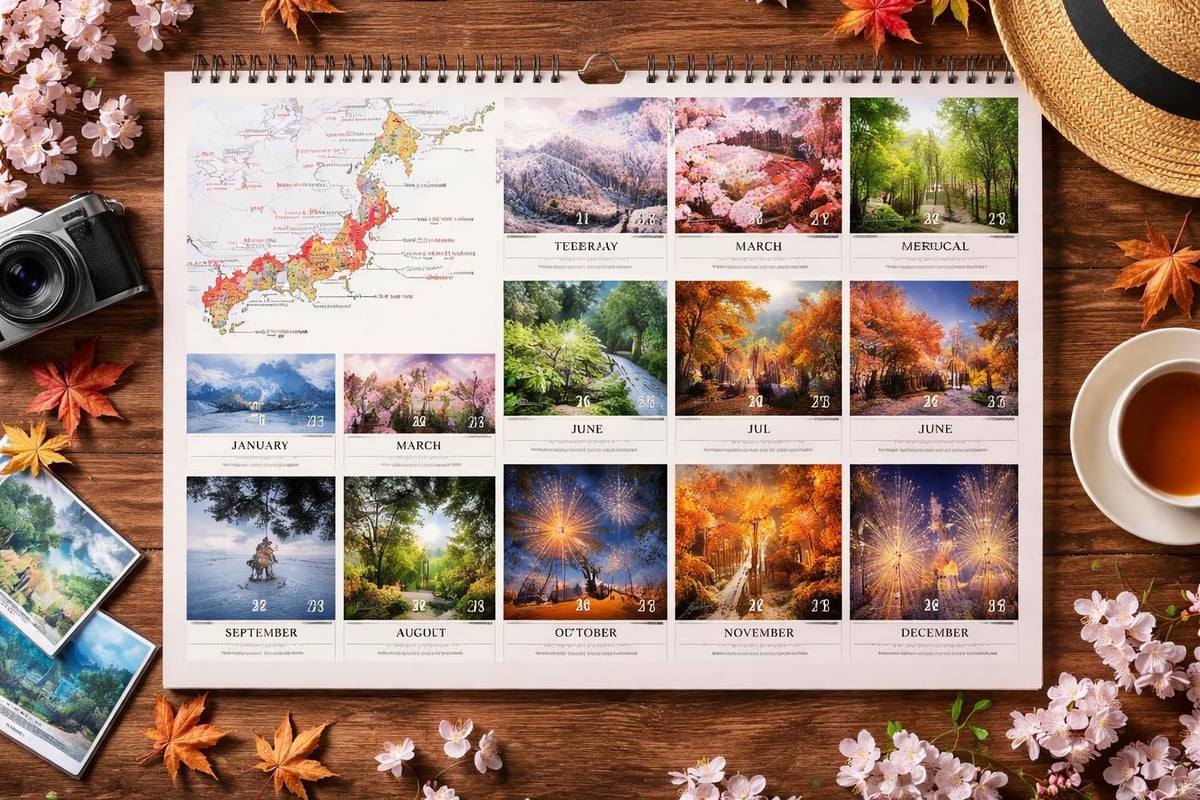
Regional climate differences require strategic packing. Tokyo and Kyoto experience similar weather patterns, while Hokkaido remains cooler year-round. Coastal areas maintain moderate temperatures, whereas mountainous regions require additional layers regardless of season.
Days 1-3: Tokyo Metropolitan Exploration
Your 10 day itinerary in japan begins in Tokyo, where tradition seamlessly merges with cutting-edge technology. Allocate three full days to experience the capital's diverse neighborhoods, each offering unique characteristics and attractions.
Day One: Central Tokyo Highlights
Start at Senso-ji Temple in Asakusa, Tokyo's oldest Buddhist temple. Arrive early to avoid crowds and explore Nakamise Shopping Street. The morning hours provide ideal lighting for photography and quieter contemplation of religious sites. Transfer to the Imperial Palace East Gardens, where admission is free and landscaping exemplifies Japanese aesthetic principles.
Afternoon activities should include the Meiji Shrine in Harajuku, accessed through a tranquil forest path that contrasts sharply with the surrounding urban environment. Adjacent Takeshita Street offers contemporary youth culture and unique shopping experiences. Conclude your first day in Shibuya, witnessing the famous scramble crossing and experiencing Tokyo's vibrant nightlife.
Day Two: Modern Tokyo and Cultural Depths
| Morning | Afternoon | Evening |
|---|---|---|
| Tsukiji Outer Market | TeamLab Borderless | Roppongi Hills |
| Fresh sushi breakfast | Digital art immersion | City views from Mori Tower |
| Traditional market exploration | Interactive exhibits | Fine dining options |
The second day emphasizes Tokyo's innovative spirit. Tsukiji Outer Market remains operational despite the inner market's relocation, offering exceptional seafood and traditional breakfast options. TeamLab Borderless represents Japan's leadership in digital art, creating immersive environments that respond to visitor movement.
Day Three: Day Trip to Nikko
Nikko, located two hours north of Tokyo, deserves a full day allocation. The UNESCO World Heritage sites include Toshogu Shrine, renowned for intricate wood carvings and gold leaf decorations. Natural attractions such as Lake Chuzenji and Kegon Falls provide scenic contrast to religious architecture.
Return to Tokyo for your final evening in the capital. Consider visiting Tokyo Skytree for panoramic city views or exploring the entertainment district of Shinjuku.
Days 4-5: Hakone and Mount Fuji Region
Transitioning from Tokyo's urban intensity, Hakone offers natural beauty and traditional ryokan experiences. This segment of your 10 day itinerary in japan emphasizes relaxation and cultural immersion through hot spring bathing and mountain scenery.
Hakone Loop itinerary includes:
- Hakone Shrine on Lake Ashi shores
- Ropeway journey to Owakudani volcanic valley
- Hakone Open-Air Museum featuring contemporary sculpture
- Traditional kaiseki dinner at your ryokan
- Morning onsen bathing with mountain views
Weather permitting, Mount Fuji appears majestically across Lake Ashi. The pirate ship cruise provides excellent photography opportunities while transporting visitors between attraction points. Owakudani's active volcanic vents demonstrate Japan's geological volatility, with black eggs cooked in sulfurous springs becoming a local specialty.
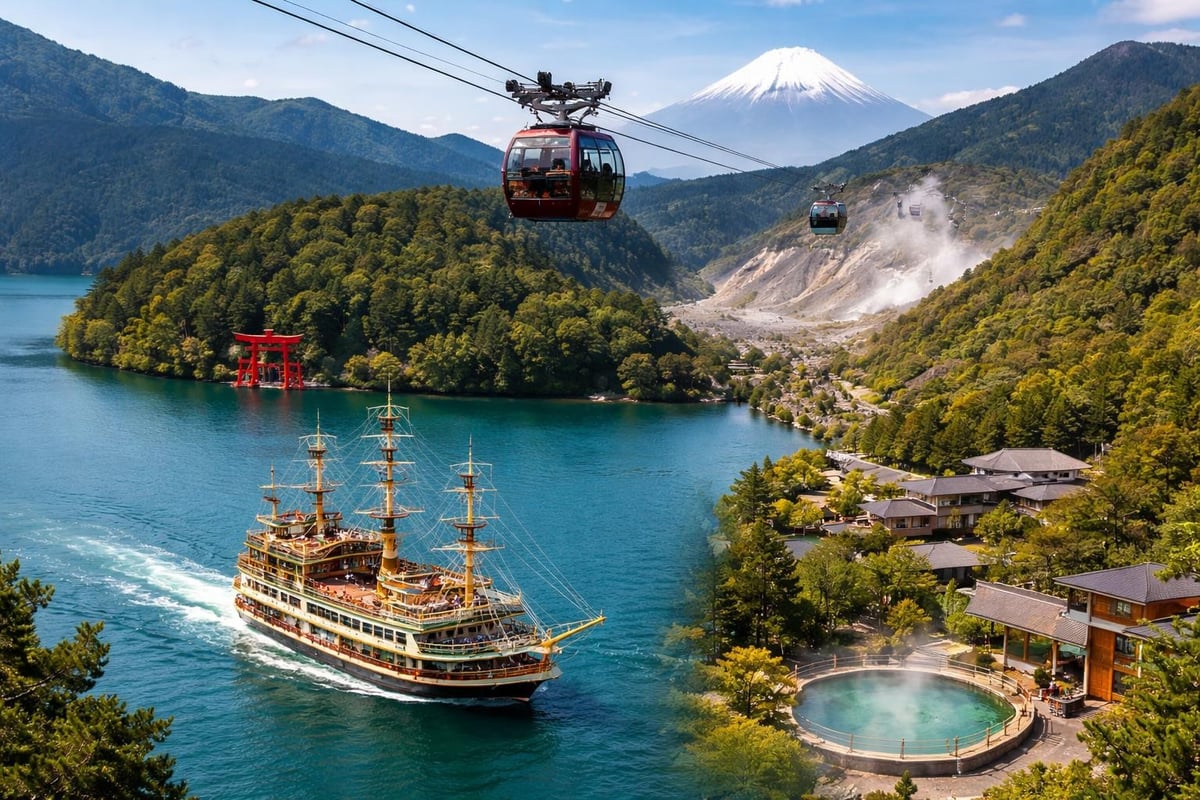
Reserve a traditional ryokan with private or semi-private onsen facilities. These accommodations include multi-course kaiseki dinners showcasing seasonal ingredients and regional specialties. Proper onsen etiquette requires thorough washing before entering communal baths, with detailed instructions typically provided in English.
Days 6-7: Kyoto's Temples and Traditions
Kyoto anchors most comprehensive 10-day Japan itineraries, preserving Japan's cultural heritage through thousands of temples, traditional machiya houses, and geisha districts. Two full days barely scratch the surface, requiring strategic planning to maximize experiences.
Day Six: Eastern Kyoto Temples
Begin at Fushimi Inari Shrine before 8:00 AM to photograph the famous torii gate tunnels without crowds. The full hike to the summit requires two hours, though shorter loops provide satisfactory experiences. Transfer to Kiyomizu-dera Temple, perched on a hillside with sweeping city views. The wooden terrace extends dramatically without using nails, exemplifying traditional construction techniques.
Afternoon exploration should include the Philosopher's Path, a canal-side walk connecting multiple temples. Cherry trees line this route, creating spectacular spring displays. Ginkaku-ji (Silver Pavilion) marks the northern terminus, featuring meticulously maintained gardens demonstrating Japanese landscaping principles.
Day Seven: Western Kyoto and Cultural Experiences
| Location | Highlight | Time Required |
|---|---|---|
| Arashiyama Bamboo Grove | Towering bamboo forest | 45 minutes |
| Tenryu-ji Temple | Zen garden views | 1 hour |
| Kinkaku-ji | Golden Pavilion reflection | 1 hour |
| Nijo Castle | Nightingale floors | 90 minutes |
Arashiyama district requires early arrival to experience the bamboo grove's serene atmosphere. Nearby Tenryu-ji Temple offers exceptional garden views, particularly during autumn foliage season. The Golden Pavilion (Kinkaku-ji) remains Kyoto's most photographed site, with the gold-leaf covered structure reflecting perfectly in the surrounding pond.
Evening options include exploring Gion district for potential geisha sightings. Pontocho Alley provides atmospheric dining along a narrow lane, with traditional architecture housing contemporary restaurants. Book traditional kaiseki or modern Japanese fusion based on personal preferences.
Day 8: Nara Day Trip and Osaka Evening
Your 10 day itinerary in japan continues with a day trip to Nara, Japan's first permanent capital. The compact city center allows efficient exploration of major sites within walking distance of the train station.
Nara highlights include:
- Todai-ji Temple housing the Great Buddha
- Nara Park's 1,200 sacred deer
- Kasuga Taisha Shrine with thousands of lanterns
- Traditional naramachi merchant district
The deer population roams freely throughout Nara Park, approaching visitors for special crackers sold at designated stands. While generally docile, deer can become aggressive when food is visible. The Great Buddha statue within Todai-ji Temple ranks among Japan's largest bronze sculptures, inspiring awe through sheer scale and craftsmanship.
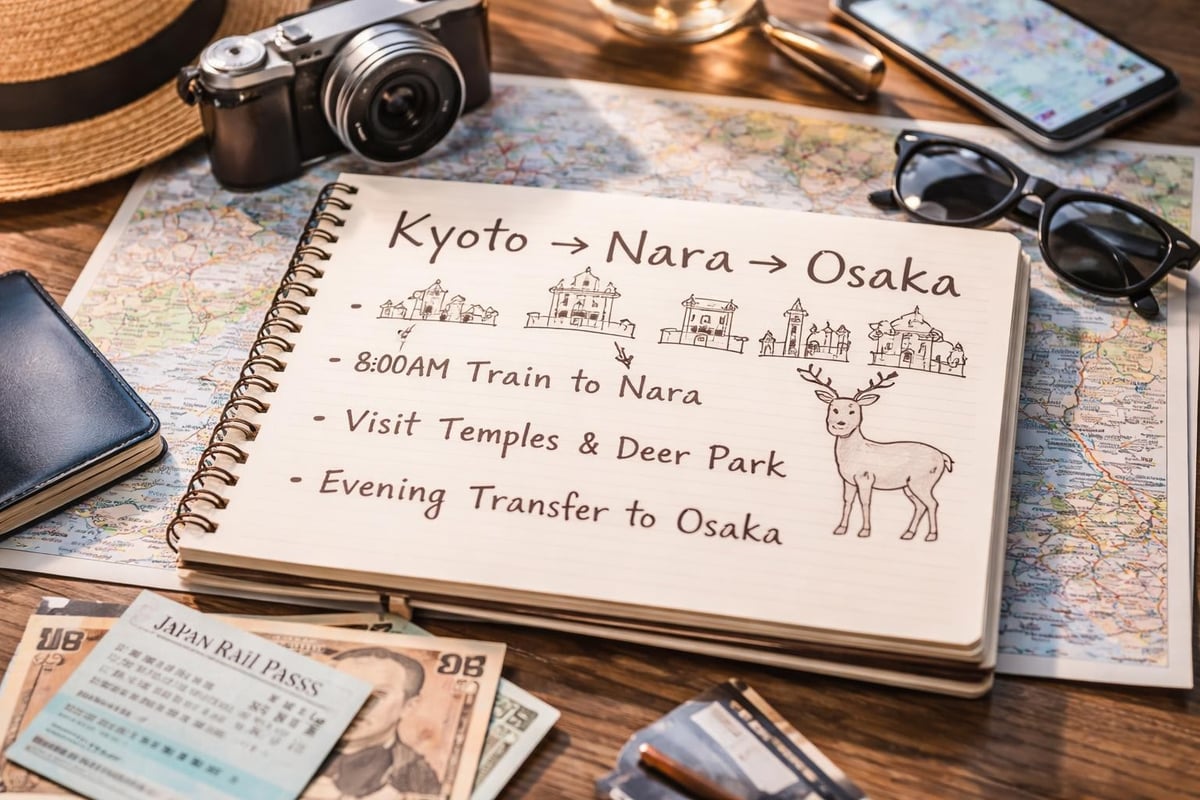
Transfer to Osaka for your evening accommodation. Osaka's reputation centers on food culture and entertainment, with the Dotonbori district epitomizing urban energy. Neon signs reflect in canal waters, street food vendors offer takoyaki and okonomiyaki, and restaurants compete for attention through elaborate displays.
Days 9-10: Osaka and Flexible Exploration
The final segment of your 10 day itinerary in japan provides flexibility for personalized interests. Osaka serves as an excellent base for additional day trips or deeper urban exploration.
Day Nine: Osaka Castle and Urban Culture
Osaka Castle stands as one of Japan's most famous landmarks, surrounded by expansive park grounds ideal for morning walks. The modern reconstruction houses a museum detailing the castle's history and role in Japanese unification. Observation decks provide city panoramas, though the structure lacks historical authenticity found in original castles.
Afternoon exploration should include the Shinsekai district, retaining Showa-era atmosphere through vintage signage and local eateries. Tsutenkaku Tower marks the neighborhood's center, with kushikatsu restaurants serving Osaka's signature deep-fried skewers. The working-class atmosphere contrasts sharply with Tokyo's polished presentation.
Day Ten: Final Options and Departure Preparation
Depending on flight schedules, several options complete your journey. Visit Himeji Castle if time permits, as this UNESCO World Heritage site represents Japan's finest original castle architecture. The white facade earned its nickname "White Heron Castle," with defensive features preserved in remarkable condition.
Alternatively, explore Kobe for harbor views and premium beef dining experiences. The compact port city offers Western-influenced architecture from its historical role as an international trading hub. Mount Rokko provides hiking opportunities with coastal panoramas.
Shopping districts in Osaka include Shinsaibashi for department stores and fashion, while Kuromon Ichiba Market showcases fresh seafood and local specialties. Budget final day activities around departure times, ensuring adequate transfer time to Kansai International Airport.
Transportation Infrastructure and Practical Tips
Efficient movement between destinations defines successful implementation of your 10 day itinerary in japan. The Japan Rail Pass covers most intercity travel, including shinkansen (bullet train) services between major cities. Reserve seats during peak seasons, though unreserved cars typically maintain availability.
Essential transportation tools:
- Hyperdia or Google Maps for route planning
- IC cards (Suica or Pasmo) for local transportation
- Luggage forwarding services between hotels
- Airport limousine buses for direct hotel transfers
Luggage forwarding services deserve special mention, as navigating train stations with large bags proves challenging. Services like Yamato Transport deliver bags between hotels overnight for approximately ¥2,000 per item, allowing comfortable travel with daypacks only.
Public transportation ceases operation between midnight and 5:00 AM in most cities. Plan evening activities accordingly or budget for taxi services. Ride-sharing applications function in Japan, though traditional taxis remain prevalent and drivers maintain exceptional service standards.
Accommodation Strategies and Booking Recommendations
Diverse accommodation options support different segments of your 10 day itinerary in japan. Tokyo and Osaka favor modern hotels with compact but efficient rooms. Kyoto offers machiya guesthouses providing traditional architecture with modern amenities. Hakone requires ryokan reservations for authentic hot spring experiences.
Book accommodations near train stations when prioritizing convenience, particularly in large cities where walking distances can prove substantial. Neighborhoods like Shinjuku or Tokyo Station in the capital provide direct access to multiple train lines. Kyoto Station serves as a practical base, though staying in Gion or Higashiyama areas delivers superior atmosphere.
| City | Recommended Area | Accommodation Type | Price Range |
|---|---|---|---|
| Tokyo | Shinjuku/Shibuya | Business hotel | ¥8,000-15,000 |
| Hakone | Lake Ashi area | Traditional ryokan | ¥25,000-50,000 |
| Kyoto | Higashiyama | Machiya guesthouse | ¥12,000-25,000 |
| Osaka | Namba/Umeda | Modern hotel | ¥7,000-14,000 |
Prices reflect per person rates including meals where applicable. Ryokan rates typically include elaborate dinner and breakfast, justifying higher costs through culinary experiences and cultural immersion.
Cultural Etiquette and Local Customs
Understanding Japanese social norms enhances interactions throughout your 10 day itinerary in japan. Basic etiquette principles demonstrate respect for local customs while avoiding unintentional offense.
Remove shoes when entering homes, traditional restaurants, temples, and some museums. Slippers are typically provided, with separate toilet slippers used exclusively in restrooms. Observe what others do when uncertain about specific situations.
Public transportation etiquette emphasizes silence and minimal phone conversations. Priority seating remains available for elderly, pregnant, or disabled passengers. Eating while walking is generally discouraged, though accepted in festival environments.
Tipping remains unnecessary and potentially offensive across all service industries. Exceptional service represents expected standards rather than extraordinary effort warranting additional compensation. Restaurant bills include all charges, with prices listed as final amounts.
Culinary Experiences and Dining Recommendations
Japanese cuisine extends far beyond sushi, with regional specialties and seasonal ingredients creating diverse dining opportunities. Your 10 day itinerary in japan should incorporate various dining styles from casual street food to refined kaiseki courses.
Must-try culinary experiences include:
- Tsukiji sushi breakfast in Tokyo
- Kaiseki dinner at Hakone ryokan
- Kyoto's traditional Buddhist vegetarian cuisine (shojin ryori)
- Osaka's street food culture
- Regional ramen variations
Restaurant reservations prove essential for popular establishments, particularly those with limited seating. Many high-end restaurants accept reservations only through hotel concierges or Japanese phone numbers. Consider using reservation services for challenging bookings.
Convenience stores (konbini) offer surprisingly high-quality prepared foods, fresh sandwiches, and seasonal items. These establishments operate 24 hours and accept various payment methods. Vending machines dispense both hot and cold beverages, appearing every few blocks in urban areas.
Budget Considerations and Cost Management
Financial planning ensures your 10 day itinerary in japan remains affordable while maintaining quality experiences. Japan's reputation for expensive travel partially reflects Tokyo hotel costs, though strategic planning controls expenses effectively.
Daily budgets vary significantly based on accommodation choices and dining preferences. Budget travelers manage on ¥8,000-12,000 daily, mid-range travelers allocate ¥15,000-25,000, while luxury experiences require ¥30,000 or more per person.
Major expense categories include:
- Japan Rail Pass: ¥29,650 for 7-day ordinary pass
- Accommodation: ¥7,000-50,000 per night depending on type
- Meals: ¥3,000-15,000 daily based on dining choices
- Attractions: ¥500-2,000 per temple/museum
- Transportation within cities: ¥1,000-2,000 daily
Cash remains necessary despite increasing credit card acceptance. Many smaller restaurants, temples, and shops operate on cash-only basis. Currency exchange at airport locations provides competitive rates, while 7-Eleven ATMs accept international cards with reasonable fees.
Alternative Routes and Customization Options
While this 10 day itinerary in japan covers classic destinations, alternative routes cater to specific interests. Various tour packages demonstrate different regional focuses and thematic approaches.
Northern routes emphasize Takayama's traditional architecture and Kanazawa's preserved geisha districts. These destinations offer authentic cultural experiences with fewer international tourists. The Japan Alps provide hiking opportunities and traditional farmhouse accommodations.
Southern extensions include Hiroshima's Peace Memorial and nearby Miyajima Island with its floating torii gate. These additions require eliminating Tokyo or Osaka days, though the historical significance and natural beauty justify consideration.
Just as travelers might seek guided tours for exploring Stockholm's literary heritage or ABBA history, Japan benefits from expert local guidance. Private guides provide cultural context and access to experiences difficult to arrange independently.
Technology and Communication Resources
Staying connected throughout your 10 day itinerary in japan enhances navigation and communication capabilities. Pocket WiFi devices or SIM cards provide reliable internet access for mapping applications, translation tools, and real-time transportation updates.
Essential applications include:
- Google Maps for navigation and transit directions
- Google Translate with camera function for menu reading
- Hyperdia for detailed train schedules
- Weather apps for daily planning
- Restaurant reservation platforms
Most hotels and many cafes offer free WiFi, though speeds and reliability vary. Pocket WiFi rental costs approximately ¥1,000 daily with unlimited data, available for airport pickup or hotel delivery. SIM cards provide similar functionality at comparable prices.
Translation applications prove invaluable for menu navigation and basic communication. Many restaurants display plastic food samples in windows, allowing visual menu selection. Staff increasingly speak basic English in tourist areas, though rural locations require more communication creativity.
Creating an effective 10 day itinerary in japan requires balancing iconic attractions with authentic cultural experiences while maintaining realistic daily schedules. This framework provides comprehensive coverage of Japan's essential destinations while allowing flexibility for personal interests and travel pace preferences. Whether you're drawn to ancient temples, cutting-edge technology, natural landscapes, or culinary adventures, Japan delivers unforgettable experiences through its unique blend of tradition and innovation. TOURJAPAN specializes in crafting personalized private tours that transform this outline into a seamless journey tailored to your specific interests, ensuring every moment maximizes your time in this extraordinary country while providing authentic cultural insights that independent travel often misses.
Article written using RankPill.


