

Japan offers an extraordinary blend of ancient traditions and cutting-edge modernity, making it one of the world's most captivating destinations. For travelers with limited time, crafting the perfect 7 day itinerary in Japan requires strategic planning to experience the country's diverse cultural treasures, architectural wonders, and culinary excellence. This comprehensive guide helps you maximize your week in Japan, focusing on the essential destinations that showcase the nation's beauty while allowing time for immersive cultural experiences that go beyond typical tourist activities.
Understanding Japan's Geographic Layout for Efficient Travel
Japan's main island of Honshu presents the most accessible route for first-time visitors planning a week-long journey. The country's exceptional transportation infrastructure, particularly the Shinkansen bullet train network, enables seamless travel between major cities.
Strategic Route Planning
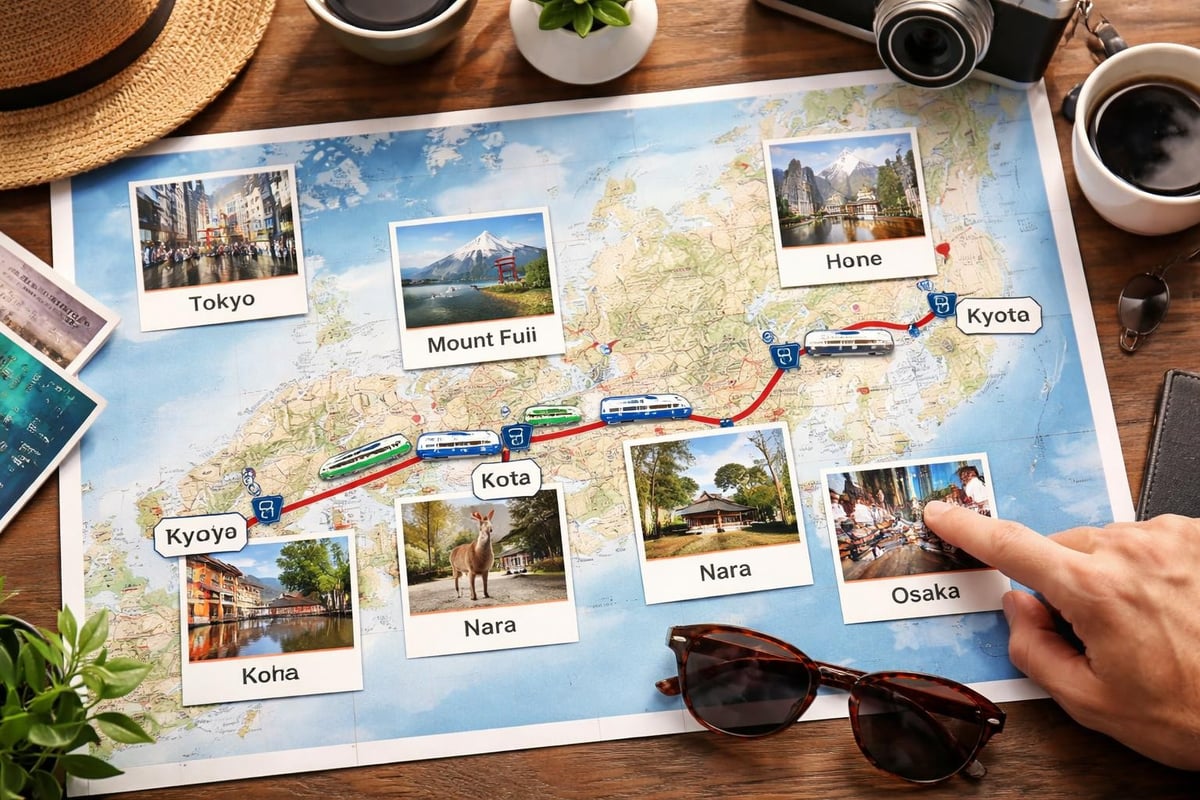
When designing your 7 day itinerary in Japan, consider the Tokyo-Kyoto corridor as your foundation. This route encompasses Japan's most iconic experiences while minimizing travel time. The journey from Tokyo to Kyoto takes approximately two hours and fifteen minutes by Shinkansen, making it feasible to explore multiple regions within one week.
Key Transportation Considerations:
- Purchase a 7-day JR Pass before arriving in Japan for unlimited travel
- Download hyperdia.com or Google Maps for real-time train schedules
- Reserve seats on popular Shinkansen routes during peak seasons
- Allow buffer time between destinations for unexpected delays
The geographic positioning of major attractions creates natural clustering opportunities. Tokyo serves as an excellent starting point, with day trips to Mount Fuji and Hakone easily accessible. Meanwhile, Kyoto functions as a gateway to Nara, Osaka, and other Kansai region highlights.
Days 1-3: Tokyo's Modern Marvels and Traditional Districts
Your 7 day itinerary in Japan begins in Tokyo, where three days provide sufficient time to experience the capital's contrasting neighborhoods and cultural depth.
Day 1: Arrival and Eastern Tokyo Exploration
Start your journey in Asakusa, home to the magnificent Senso-ji Temple, Tokyo's oldest Buddhist temple. The surrounding Nakamise Shopping Street offers traditional crafts and snacks that provide immediate cultural immersion. After lunch, venture to the Tokyo Skytree for panoramic city views that help orient yourself geographically.
Evening in Akihabara introduces Japan's contemporary pop culture phenomenon. The district's electronic shops, anime stores, and themed cafes represent modern Japanese innovation and entertainment culture.
Day 2: Central Tokyo and Imperial Heritage
| Morning | Afternoon | Evening |
|---|---|---|
| Imperial Palace East Gardens | Shibuya Crossing & Harajuku | Shinjuku Entertainment District |
| Peaceful gardens, historical architecture | Youth culture, fashion boutiques | Golden Gai bars, observation decks |
| 2-3 hours | 3-4 hours | 2-3 hours |
The Imperial Palace grounds offer tranquil respite amid urban intensity. The East Gardens present beautifully maintained landscapes where visitors can appreciate traditional Japanese garden design principles.
Shibuya's famous scramble crossing epitomizes Tokyo's energetic pace. Nearby Harajuku showcases youth fashion trends along Takeshita Street, while Meiji Shrine provides a spiritual counterpoint just minutes away through forested pathways.
Day 3: Day Trip to Mount Fuji and Hakone
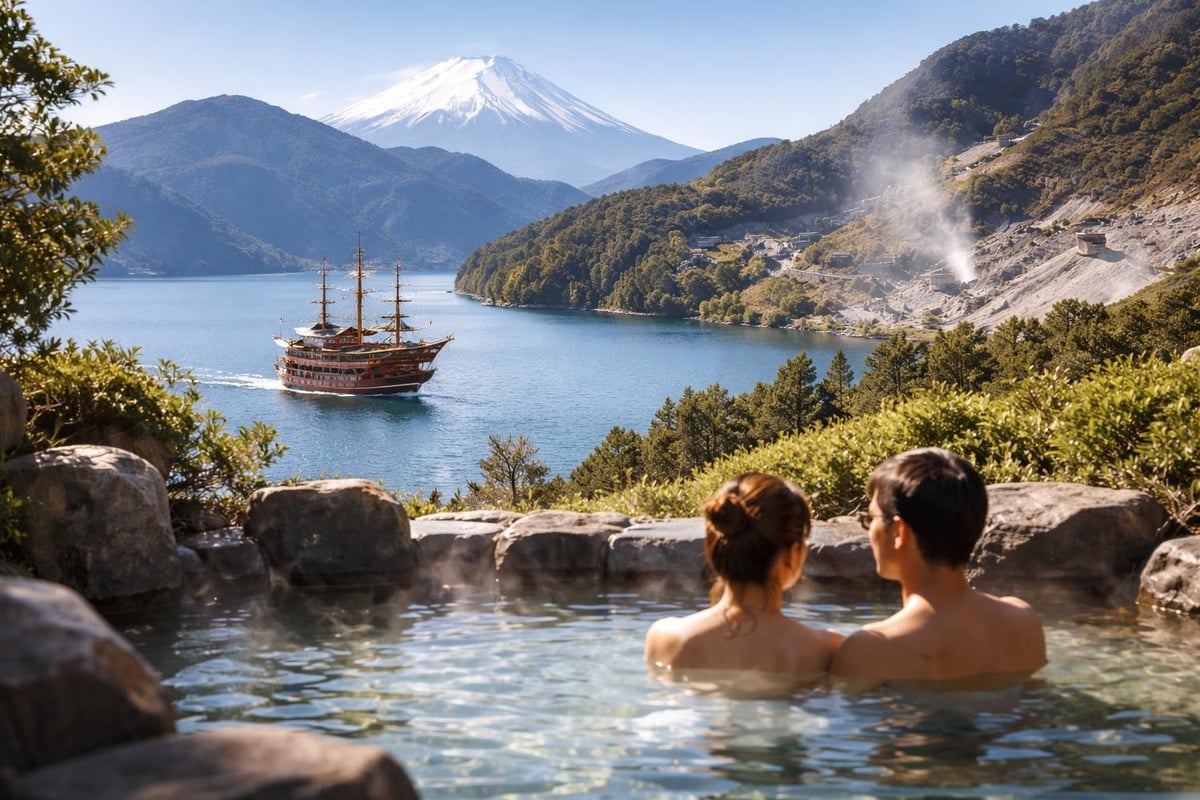
No 7 day itinerary in Japan feels complete without experiencing Mount Fuji's iconic silhouette. Dedicate this day to exploring the Fuji Five Lakes region or Hakone's volcanic valley, hot springs, and art museums.
Recommended Hakone Circuit:
- Ride the Hakone Tozan Railway through mountain switchbacks
- Take the cable car to Owakudani volcanic valley
- Cruise Lake Ashi with Mount Fuji views
- Visit the Hakone Open-Air Museum
- Return to Tokyo via Romance Car express train
Weather significantly impacts Mount Fuji visibility, particularly during summer months when cloud cover increases. Morning hours typically offer clearer views, making early departure essential for this excursion.
Days 4-5: Kyoto's Temples, Gardens, and Traditional Arts
Traveling to Kyoto on day four transforms your experience from modern metropolis to ancient capital. This UNESCO World Heritage city contains over 2,000 temples and shrines, requiring selective focus during your two-day exploration.
Day 4: Eastern Kyoto Highlights
Morning visits to Fushimi Inari Taisha reveal thousands of vermillion torii gates winding up the mountainside. Arriving before 8:00 AM helps avoid crowds while capturing the mystical atmosphere these pathways create. The hike to the summit requires approximately two hours, though the lower sections provide equally photogenic opportunities.
The Philosopher's Path connects numerous temples and offers cherry blossom viewing in spring or autumn foliage displays during November. This stone pathway follows a canal and leads to Ginkaku-ji (Silver Pavilion), where carefully raked sand gardens demonstrate Zen aesthetic principles.
Gion district comes alive in early evening. This traditional geisha quarter features preserved machiya townhouses and occasional geiko or maiko sightings as they travel to appointments. Dining along Pontocho Alley provides riverside ambiance and kaiseki cuisine options that showcase Kyoto's refined culinary traditions.
Day 5: Western Kyoto and Arashiyama
| Temple | Specialty | Visit Duration |
|---|---|---|
| Kinkaku-ji | Gold-leaf pavilion, reflective pond | 45-60 minutes |
| Ryoan-ji | Zen rock garden | 30-45 minutes |
| Tenryu-ji | UNESCO garden, mountain backdrop | 45-60 minutes |
Kinkaku-ji's golden exterior reflects brilliantly in its surrounding pond, creating one of Japan's most photographed scenes. The temple grounds extend beyond the pavilion, featuring walking paths through meticulously maintained gardens.
Arashiyama's bamboo groves transport visitors into otherworldly green corridors where towering stalks create natural architecture. Early morning visits before tour groups arrive allow peaceful contemplation. The nearby Okochi Sanso Villa offers private gardens with spectacular mountain views and included matcha tea service.
Many travelers appreciate exploring Kansai region highlights beyond Kyoto proper, as the area contains numerous cultural treasures within easy reach.
Day 6: Nara's Deer Park and Osaka's Urban Energy
Dedicating day six to exploring both Nara and Osaka maximizes your 7 day itinerary in Japan by experiencing two distinctly different destinations within the Kansai region.
Morning in Nara: Ancient Capital
Nara served as Japan's capital during the eighth century and maintains numerous treasures from that period. Nara Park's 1,200 friendly deer roam freely, bowing to visitors in exchange for shika senbei (deer crackers).
Todai-ji Temple houses a 15-meter bronze Buddha statue that represents one of Japan's most impressive religious monuments. The wooden structure itself qualifies as the world's largest wooden building, demonstrating ancient engineering prowess.
Nara Essential Stops:
- Todai-ji Temple and Great Buddha Hall
- Kasuga Taisha Shrine with thousands of bronze lanterns
- Nara National Museum for Buddhist art
- Isuien Garden for traditional landscape design
Afternoon and Evening in Osaka
Osaka's reputation as "Japan's kitchen" makes it mandatory for food enthusiasts. The city's friendly atmosphere and culinary specialties provide contrast to Kyoto's refined elegance.
Dotonbori district exemplifies Osaka's energetic character with its neon-lit streets, mechanical signs, and countless dining options. Trying takoyaki (octopus balls) and okonomiyaki (savory pancakes) from street vendors offers authentic local flavor.
Osaka Castle grounds combine historical significance with recreational space where locals gather for hanami parties during cherry blossom season. The reconstructed keep contains a museum detailing the castle's role in Japanese unification.
Day 7: Final Tokyo Day or Alternative Destination
Your final day within this 7 day itinerary in Japan offers flexibility based on flight schedules and personal interests. Returning to Tokyo provides shopping opportunities and revisiting favorite neighborhoods, while adventurous travelers might explore alternative destinations.
Option 1: Tokyo Shopping and Culture
Ginza's upscale department stores present Japanese retail excellence, from basement food halls (depachika) showcasing regional specialties to rooftop gardens offering city views. Tsukiji Outer Market continues serving fresh seafood and kitchen supplies despite the wholesale market's relocation.
Roppongi Hills and teamLab Borderless digital art museum deliver contemporary artistic experiences that complement your week of traditional cultural immersion. These interactive installations utilize cutting-edge technology to create immersive environments.
Option 2: Hiroshima and Miyajima Extension
Travelers with flexible departure times might consider extending westward to Hiroshima. The Peace Memorial Park and Museum provide profound historical perspective, while Miyajima Island's floating torii gate creates an iconic photographic opportunity. This extension requires early morning departure and late evening return, making it physically demanding but culturally rewarding.
For those interested in exploring beyond conventional routes, specialized itineraries focusing on regional highlights offer unique perspectives on Japan's diverse landscapes.
Practical Considerations for Your Week in Japan
Successfully executing your 7 day itinerary in Japan requires attention to logistical details that streamline daily activities and maximize enjoyment.
Accommodation Strategy
Location-Based Booking Recommendations:
- Tokyo: Shinjuku or Shibuya for central access
- Kyoto: Downtown area near Kawaramachi Station
- Consider ryokan (traditional inn) for one night in Kyoto or Hakone
Booking accommodations near major train stations reduces transit time and simplifies navigation. Many hotels offer luggage forwarding services (takuhaibin), allowing travelers to send bags between cities for next-day delivery, eliminating the need to transport heavy luggage on trains.
Budget Planning
| Expense Category | Daily Budget (USD) | Notes |
|---|---|---|
| Accommodation | $100-250 | Mid-range hotels |
| Meals | $50-100 | Mix of casual and fine dining |
| Transportation | $40-60 | With JR Pass |
| Activities | $30-80 | Temple entries, museums |
| Total | $220-490 | Per person estimate |
These estimates reflect moderate spending patterns. Budget travelers can reduce costs significantly through capsule hotels, convenience store meals, and free attractions, while luxury seekers might easily double these amounts through upscale ryokans and exclusive experiences.
Seasonal Timing Considerations
Japan's distinct seasons dramatically affect your experience. Cherry blossom season (late March to early April) and autumn foliage (November) attract maximum crowds but justify the competition through extraordinary beauty. Summer brings festivals and fireworks but also high humidity and temperatures. Winter offers fewer tourists, excellent skiing opportunities, and clear Mount Fuji views.
Planning your trip around these seasonal variations helps set appropriate expectations and guides clothing choices. Many first-time visitors appreciate comprehensive guides for first-time travelers that address seasonal considerations alongside essential planning elements.
Cultural Etiquette and Travel Tips
Understanding Japanese social customs enhances interactions and demonstrates respect for local culture throughout your 7 day itinerary in Japan.
Essential Etiquette Guidelines
Temple and Shrine Protocols:
- Remove shoes when entering temple buildings
- Bow respectfully before torii gates
- Purify hands and mouth at temizuya water basins
- Photograph respectfully, avoiding worshippers
- Speak quietly within sacred spaces
Dining Customs:
- Say "itadakimasu" before eating
- Never stick chopsticks upright in rice
- Slurp noodles to show appreciation
- Return dishes to original position when finished
- Cash remains preferred at many establishments
Communication Strategies
Limited English proficiency outside major tourist areas requires preparation. Download offline translation apps, carry your destination written in Japanese characters, and learn basic phrases. Japanese people typically appreciate any effort to speak their language, however basic.
Many restaurants display plastic food models (sampuru) in windows, allowing non-Japanese speakers to point at desired dishes. This visual menu system reduces ordering anxiety and often leads to delightful discoveries.
Mobile Connectivity
Renting a pocket WiFi device or purchasing a SIM card upon arrival ensures constant connectivity for navigation, translation, and restaurant research. Major airports offer multiple providers with competitive rates and unlimited data options.
Enhancing Your Itinerary with Private Experiences
While this 7 day itinerary in Japan covers essential destinations accessible to independent travelers, private guided experiences add depth and access to exclusive locations. Professional guides provide historical context, navigate language barriers, and customize activities based on specific interests.
Benefits of Tailored Experiences
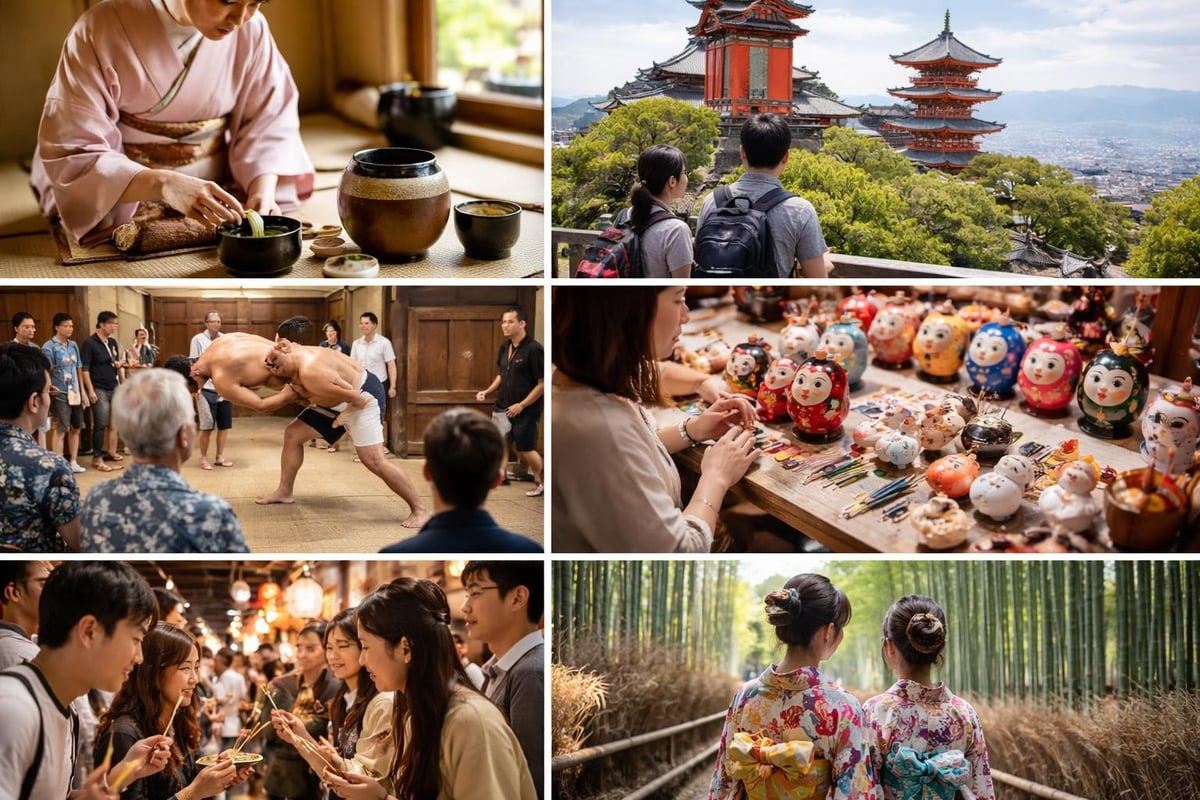
Private tea ceremonies in traditional machiya houses offer intimate cultural immersion beyond what group tours provide. Local guides arrange meetings with artisans practicing traditional crafts, from pottery in Kyoto to sword-making demonstrations in Tokyo. These personalized interactions create meaningful connections that transform sightseeing into genuine cultural exchange.
Food-focused private tours venture beyond tourist districts into neighborhood izakayas and family-run restaurants where English menus don't exist but culinary excellence thrives. Expert guides explain regional specialties, ingredient sourcing, and preparation techniques while facilitating conversations with chefs and proprietors.
Travelers seeking imperial capitals tours discover how structured itineraries balance iconic landmarks with hidden gems, creating comprehensive experiences that independent travel might miss.
Luxury and Comfort Considerations
Private transportation eliminates the stress of navigating public transit with luggage while providing flexibility to adjust schedules based on energy levels and interests. English-speaking drivers familiar with optimal routes and traffic patterns maximize time efficiency, particularly valuable during a compressed seven-day schedule.
Exclusive ryokan reservations at properties maintaining centuries-old hospitality traditions provide authenticity difficult to access without local connections. These establishments often limit guest numbers, require introductions, or maintain Japanese-only communication, making specialist booking services valuable.
Maximizing Photography Opportunities
Japan's photogenic qualities inspire countless camera clicks, but capturing memorable images requires planning around lighting conditions and crowd patterns.
Prime Photography Times and Locations:
- Fushimi Inari gates: Before 7:00 AM or after 6:00 PM
- Arashiyama bamboo grove: 6:30-7:30 AM
- Tokyo Shibuya crossing: Twilight (blue hour)
- Mount Fuji views: Early morning, particularly autumn and winter
- Temple gardens: Mid-morning after dew evaporates
Respect photography restrictions within temples and shrines. Some locations prohibit interior photography or require permission before photographing priests and practitioners. When photographing people, particularly geiko or maiko, maintain respectful distance and never obstruct their path.
Golden hour lighting transforms already beautiful locations into extraordinary scenes. The hour following sunrise and preceding sunset provides warm, directional light that enhances architectural details and natural landscapes. Planning your 7 day itinerary in Japan around these optimal times rewards photographers with exceptional images.
Crafting an effective week-long journey through Japan balances iconic experiences with personal interests while managing practical logistics. This 7 day itinerary in Japan provides a foundation that can be customized based on seasonal timing, specific passions, and travel style preferences. For travelers seeking truly personalized experiences that go beyond standard tourist routes, TOURJAPAN specializes in creating bespoke private tours that showcase Japan's cultural depth while ensuring luxurious comfort and expert guidance throughout your journey.


