

Planning your first trip to Japan can feel overwhelming with countless destinations, cultural sites, and experiences competing for your attention. The best japan itinerary 10 days balances iconic landmarks with cultural immersion, giving you enough time to explore the country's contrasts without rushing through each location. Whether you're drawn to Tokyo's electric energy, Kyoto's timeless temples, or the natural beauty of Mount Fuji, a well-structured 10-day plan allows you to experience Japan's diverse offerings while maintaining a comfortable pace that lets you truly absorb each destination.
Why 10 Days Is the Perfect Duration for Japan
Ten days provides the ideal timeframe for first-time visitors to experience Japan's highlights without sacrificing depth for breadth. This duration allows you to settle into the rhythm of Japanese culture, navigate multiple cities, and include day trips that showcase the country's varied landscapes.
A 10-day journey offers several advantages:
- Sufficient time to explore 3-4 major destinations thoroughly
- Flexibility to include both urban centers and natural attractions
- Opportunity to experience different aspects of Japanese culture
- Manageable jet lag recovery while maximizing your travel experience
- Room for spontaneous discoveries and unexpected detours
The Japan National Tourism Organization provides helpful cultural guidelines that enhance your understanding of local customs throughout your journey. Understanding these nuances before you arrive helps you navigate social situations with confidence and respect.
Most travelers find that the best japan itinerary 10 days includes a combination of Tokyo, Kyoto, and one or two additional destinations that match their interests. This structure provides cultural variety while keeping travel logistics manageable.
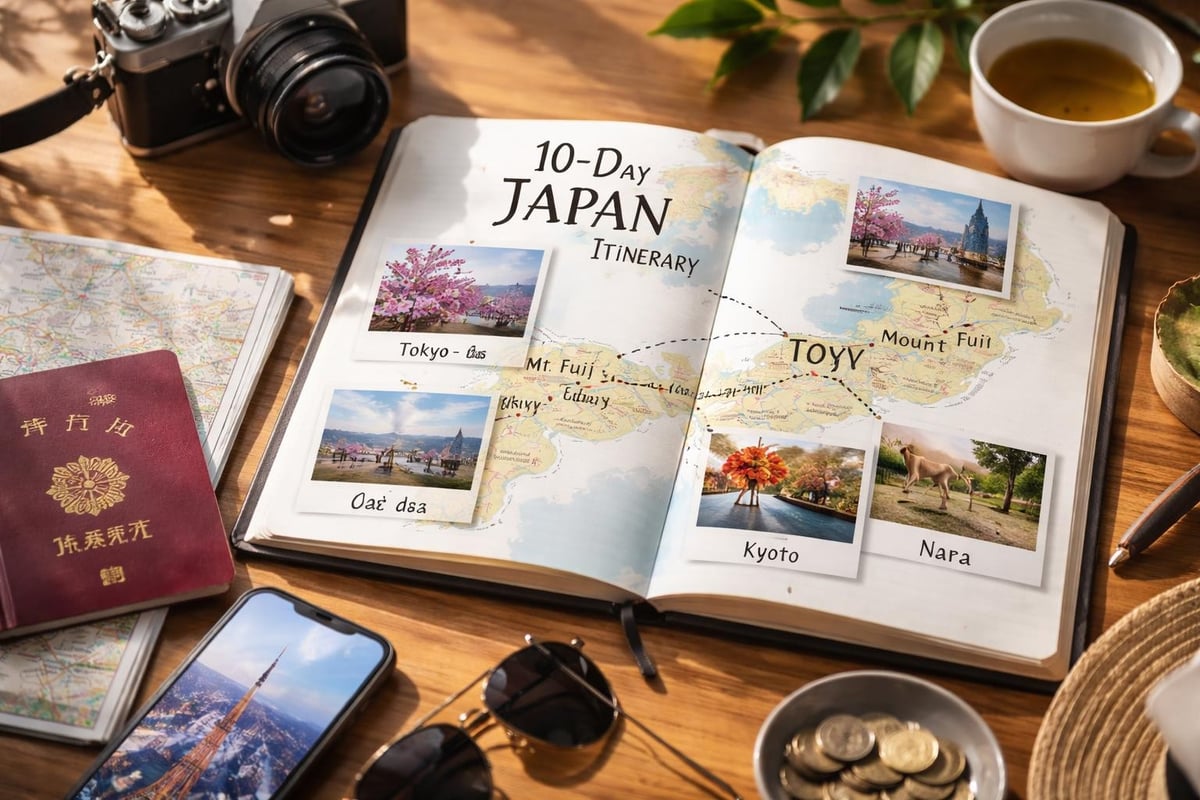
Days 1-3: Tokyo Exploration and Modern Japan
Your Japanese adventure begins in Tokyo, where cutting-edge technology meets centuries-old traditions. Dedicate your first three days to understanding this fascinating metropolis, allowing yourself time to adjust to the time zone while experiencing the city's diverse neighborhoods.
Day 1: Arrival and Shinjuku District
After arriving at Narita or Haneda Airport, make your way to your hotel and spend the afternoon exploring Shinjuku. This vibrant district showcases Tokyo's energy through its towering skyscrapers, bustling shopping centers, and the serene contrast of Shinjuku Gyoen National Garden.
Visit the Tokyo Metropolitan Government Building's free observation deck for panoramic city views. As evening approaches, explore the neon-lit streets of Kabukicho and enjoy dinner at one of the area's countless restaurants serving everything from ramen to kaiseki cuisine.
Day 2: Traditional Tokyo Highlights
Begin your second day in Asakusa, home to the magnificent Sensoji Temple, Tokyo's oldest Buddhist temple. The approach through Nakamise Shopping Street offers traditional crafts, snacks, and souvenirs that provide insight into Japanese culture.
| Morning | Afternoon | Evening |
|---|---|---|
| Sensoji Temple & Asakusa | Imperial Palace East Gardens | Shibuya Crossing & Harajuku |
| Traditional architecture | Historical significance | Youth culture & fashion |
| 2-3 hours | 2 hours | 3-4 hours |
Continue to the Imperial Palace East Gardens, where you can walk through beautifully maintained grounds that once formed part of Edo Castle. End your day experiencing Shibuya's famous scramble crossing and exploring the trendy Harajuku district.
Day 3: Modern Culture and Day Trip Options
Your third day offers flexibility based on your interests. Consider visiting teamLab Borderless for digital art experiences, exploring the upscale Ginza shopping district, or taking a day trip to Nikko's ornate shrines and natural beauty.
Many travelers also use this day to visit the Tsukiji Outer Market for fresh sushi breakfast, followed by exploring neighborhoods like Akihabara for electronics and anime culture or Roppongi for contemporary art museums.
Days 4-5: Mount Fuji Region and Hakone
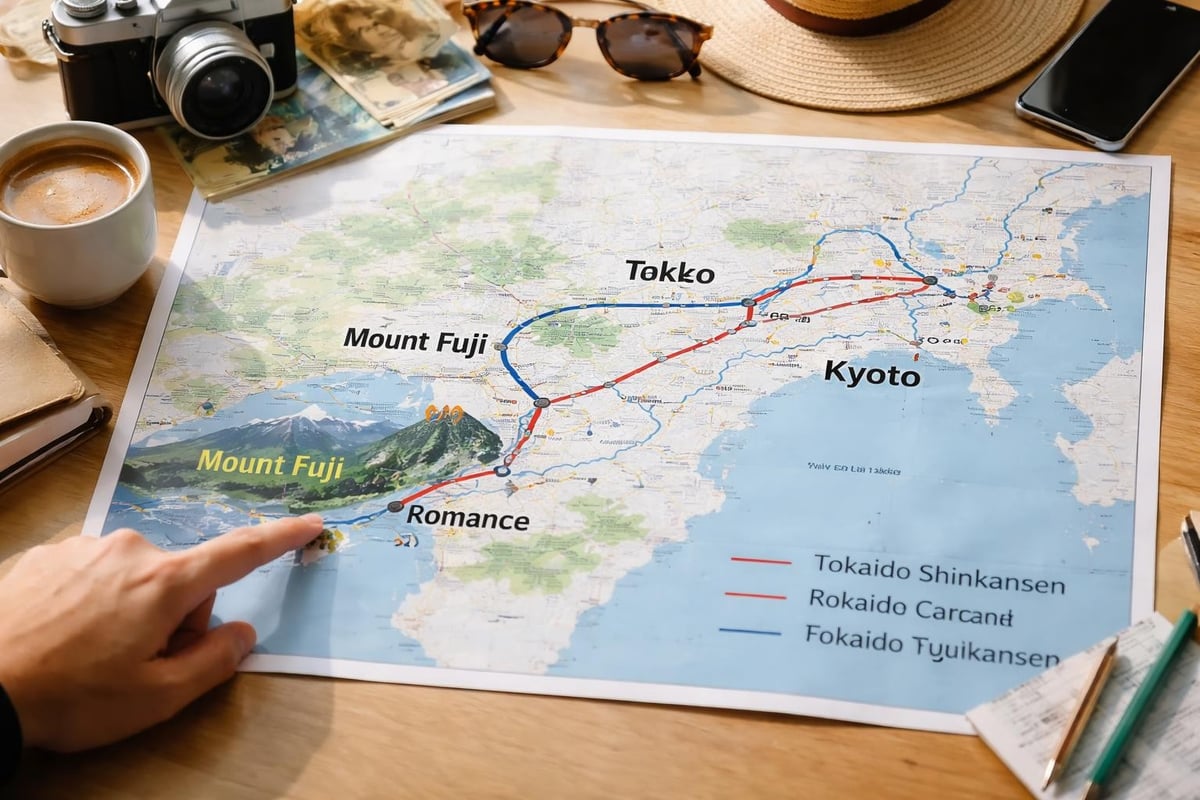
Departing Tokyo, your best japan itinerary 10 days continues to the Mount Fuji area, where natural beauty and traditional hot spring culture create unforgettable experiences. This two-day segment provides a refreshing contrast to Tokyo's urban intensity.
Day 4: Journey to Hakone
Travel to Hakone using the Romance Car express train, a comfortable journey that takes approximately 90 minutes. The Hakone region offers multiple attractions accessible via the Hakone Free Pass, which covers most transportation and provides discounts on attractions.
Essential Hakone experiences include:
- Lake Ashi cruise with Mount Fuji views
- Hakone Ropeway for volcanic valley perspectives
- Owakudani's active volcanic zone
- Open-air sculpture museum
- Traditional onsen experience at your ryokan
Stay overnight at a traditional ryokan where you'll experience tatami mat rooms, kaiseki dinner, and authentic Japanese hospitality. The onsen (hot spring) bathing ritual provides deep relaxation while connecting you to centuries of Japanese wellness traditions.
Day 5: Fuji Five Lakes or Return via Odawara
Depending on weather and season, extend your Mount Fuji experience by visiting the Fuji Five Lakes region, or explore Odawara Castle before continuing to Kyoto. Clear weather between October and May offers the best Mount Fuji visibility, though the iconic peak remains elusive even during optimal conditions.
Days 6-8: Kyoto's Cultural Treasures
Kyoto represents the heart of traditional Japan, with over 2,000 temples, pristine gardens, and preserved historical districts. Three full days barely scratch the surface, but this timeframe allows you to experience the city's essential sites while understanding its cultural significance. National Geographic’s Japan travel guide offers valuable context about Kyoto's role in Japanese history and culture.
Day 6: Eastern Kyoto Highlights
Begin at Fushimi Inari Shrine before crowds arrive, walking through thousands of vermillion torii gates that create magical tunnels up the mountainside. The full hike takes 2-3 hours, but even a partial ascent provides memorable photo opportunities and spiritual atmosphere.
Continue to the Higashiyama District, exploring Kiyomizu-dera Temple with its famous wooden stage offering city views. Wander through the preserved streets of Sannenzaka and Ninenzaka, where traditional machiya houses now host tea shops, pottery studios, and craft boutiques.
Day 7: Arashiyama and Western Kyoto
The Arashiyama district showcases Kyoto's natural beauty through its famous bamboo grove, though arriving early helps you avoid crowds that can diminish the experience. Visit Tenryu-ji Temple's stunning garden, walk across the iconic Togetsukyo Bridge, and consider a boat ride on the Hozu River.
| Site | Best Time | Duration | Highlights |
|---|---|---|---|
| Bamboo Grove | Early morning | 30 minutes | Photography, atmosphere |
| Tenryu-ji Temple | 9-10 AM | 1 hour | UNESCO garden |
| Monkey Park | Afternoon | 1.5 hours | City views, wildlife |
| Kinkaku-ji | Late afternoon | 45 minutes | Golden Pavilion |
The afternoon offers time to visit Kinkaku-ji (Golden Pavilion), one of Kyoto's most photographed landmarks. The gold-leaf covered temple reflects beautifully in its surrounding pond, creating picture-perfect compositions regardless of season.
Day 8: Cultural Immersion and Hidden Gems
Reserve your third Kyoto day for deeper cultural experiences. Consider a tea ceremony, participate in a traditional craft workshop, or explore lesser-known temples that offer tranquility without tourist crowds.
Authentic cultural experiences worth considering:
- Traditional tea ceremony in a machiya townhouse
- Zen meditation session at a local temple
- Kimono wearing and photo session
- Japanese calligraphy or pottery class
- Geisha district walking tour in Gion
The Gion district becomes particularly atmospheric in the early evening when geisha and maiko (apprentice geisha) hurry to appointments. Respectful observation from a distance allows you to witness this living tradition without intrusive behavior.
Day 9: Nara Day Trip
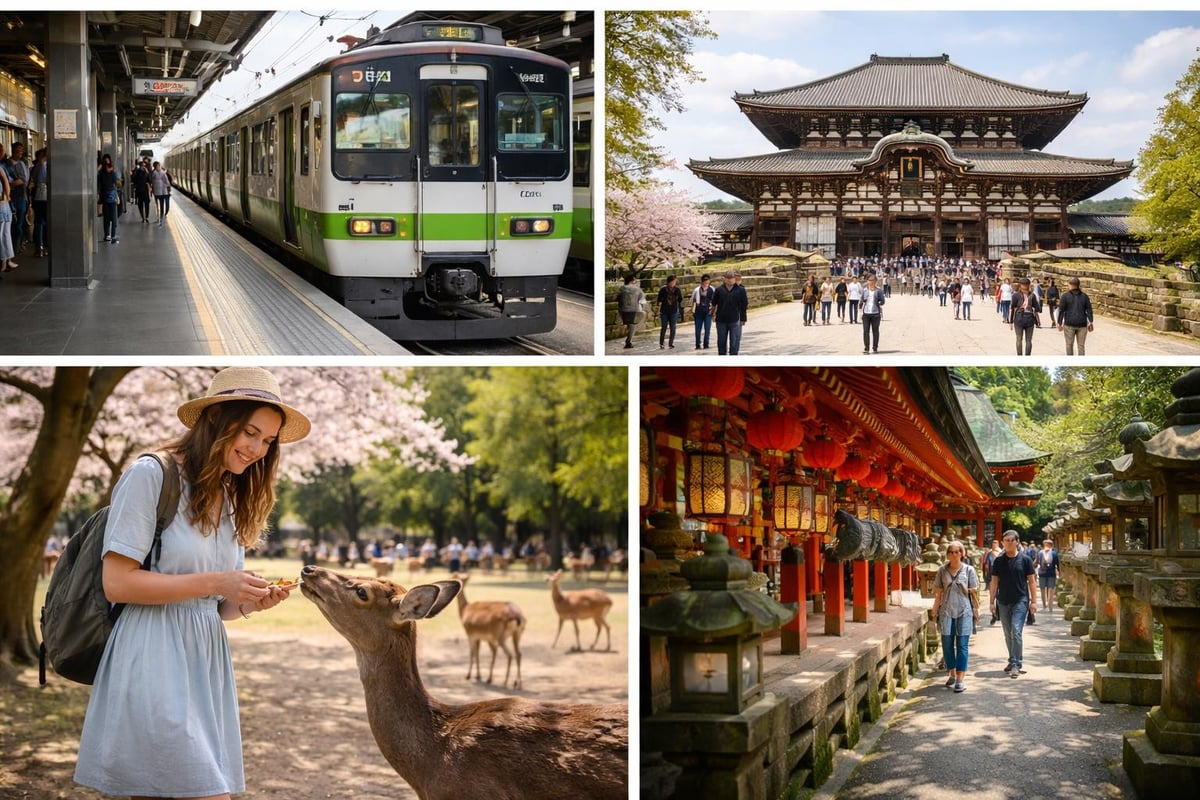
Just 45 minutes from Kyoto by train, Nara deserves a full day to experience its unique combination of ancient temples, expansive parks, and famously friendly deer. Over 1,200 deer roam freely through Nara Park, bowing to visitors who offer special deer crackers available from vendors throughout the area.
Todai-ji Temple houses the Daibutsu, a massive bronze Buddha statue that ranks among Japan's most impressive religious monuments. The temple's wooden structure holds records as one of the world's largest wooden buildings, creating awe-inspiring scale that photographs struggle to capture.
After exploring Todai-ji, walk through Nara Park to Kasuga Taisha Shrine, famous for its hundreds of bronze and stone lanterns that create magical atmosphere during special lighting events. The forested approach to the shrine offers peaceful walking paths away from the main tourist areas. For more detailed planning, Rough Guides’ 10-day Japan itinerary provides additional perspectives on balancing Kyoto and Nara visits.
Return to Kyoto in the evening for final explorations of neighborhoods you may have missed, or enjoy a farewell dinner at a restaurant specializing in Kyoto's refined kaiseki cuisine.
Day 10: Return to Tokyo or Osaka Extension
Your final day offers two primary options depending on your departure flight location. Most international flights depart from Tokyo's Narita or Haneda airports, requiring a morning Shinkansen journey that takes approximately 2 hours and 15 minutes.
Alternatively, if your flight departs from Osaka's Kansai International Airport, spend your last day exploring Osaka's vibrant food culture, visit Osaka Castle, or shop in the Dotonbori district. Osaka provides a different urban energy compared to Tokyo, with a reputation for friendlier locals and outstanding street food.
Departure Day Logistics
Plan your final day transportation carefully:
- Book Shinkansen tickets in advance during peak seasons
- Allow 3 hours minimum from Kyoto to Narita Airport
- Store luggage at major stations if you have time for last-minute exploration
- Reserve airport limousine bus as backup transportation option
- Consider earlier departure to avoid stress and enjoy final moments
The best japan itinerary 10 days recognizes that travel days require buffer time. Rushing to catch flights diminishes your final impressions, while arriving early at the airport provides opportunities to enjoy Japan's excellent airport shopping and dining facilities.
Seasonal Considerations for Your Itinerary
Japan's distinct seasons dramatically impact your travel experience, from cherry blossoms in spring to autumn foliage that transforms temple gardens into painted landscapes. Understanding seasonal variations helps you set realistic expectations and pack appropriately.
Spring (March-May) brings cherry blossoms that attract massive crowds to popular viewing spots. Book accommodations months in advance and expect higher prices during peak bloom periods, which vary by region and typically progress from south to north.
Summer (June-August) features hot, humid weather with rainy season in June and July. Despite weather challenges, summer festivals and fireworks displays create memorable cultural experiences. Mountain destinations like Hakone provide cooler alternatives to city heat.
Autumn (September-November) rivals spring as the most popular season, with comfortable temperatures and spectacular fall foliage. Late November offers the best koyo (autumn leaves) viewing in Kyoto, though timing varies annually based on weather patterns.
Winter (December-February) attracts fewer tourists, offering advantages of lower prices and smaller crowds at major attractions. However, some mountain areas become inaccessible, and shorter daylight hours limit daily activities. Winter illuminations throughout major cities create magical nighttime atmospheres.
Transportation and Logistics
Japan's legendary rail system makes navigating your best japan itinerary 10 days remarkably straightforward, even for first-time visitors with limited Japanese language skills. The Japan Rail Pass provides excellent value for tourists covering multiple cities, though calculating whether it saves money requires comparing your specific route against individual ticket costs.
Understanding the Japan Rail Pass
The 7-day ordinary Japan Rail Pass costs approximately ¥29,650 (prices subject to change), while a 14-day pass runs about ¥47,250. Calculate whether your Tokyo-Kyoto round trip plus additional rail journeys justify the pass purchase, as individual Shinkansen tickets can be surprisingly affordable when booked strategically.
| Pass Type | Duration | Cost (2026) | Best For |
|---|---|---|---|
| 7-Day Ordinary | 7 days | ~¥29,650 | Tokyo-Kyoto-Tokyo |
| 7-Day Green | 7 days | ~¥39,600 | Premium comfort |
| 14-Day Ordinary | 14 days | ~¥47,250 | Extended travel |
Rail pass activation timing matters: Activate your pass on Day 4 when departing Tokyo for Hakone, maximizing value through your return to Tokyo on Day 10. This strategy allows you to purchase individual tickets for Tokyo's metro system during Days 1-3 while covering all intercity travel with the pass.
Regional rail passes offer alternatives for specific areas. The Hakone Free Pass, Kansai Area Pass, and Tokyo Wide Pass provide targeted coverage that might better suit itineraries focused on particular regions.
Budget Planning and Cost Expectations
Understanding costs helps you plan your best japan itinerary 10 days realistically while avoiding financial stress that can diminish travel enjoyment. Japan's reputation for expensive travel has softened somewhat, though certain elements like accommodations and dining can strain budgets without careful planning.
Daily budget breakdown (per person, USD):
- Budget traveler: $100-150 (hostels, convenience store meals, free attractions)
- Mid-range traveler: $200-350 (business hotels, casual restaurants, paid attractions)
- Luxury traveler: $500+ (upscale hotels, fine dining, private experiences, guided tours)
Accommodation represents your largest expense, with Tokyo and Kyoto hotels commanding premium prices, especially during peak seasons. Booking 2-3 months in advance secures better rates and preferred locations, while last-minute reservations often mean settling for less convenient areas or higher prices.
Restaurant dining spans enormous price ranges, from ¥500 convenience store meals to ¥30,000+ kaiseki dinners. Budget-conscious travelers can eat remarkably well at casual restaurants where excellent ramen, donburi, or curry typically costs ¥800-1,500. Many travelers find Japan Guide’s practical recommendations helpful for understanding realistic daily costs.
Money-saving strategies include:
- Eating lunch at restaurants that offer affordable teishoku (set meals)
- Purchasing 7-Eleven or Lawson convenience store meals occasionally
- Taking advantage of tax-free shopping at major retailers
- Visiting temples and shrines during free access hours
- Using public transportation instead of taxis
- Staying in business hotels rather than international chains
Customizing Your Itinerary
While the structure above provides a solid foundation, the best japan itinerary 10 days adapts to your specific interests, travel style, and priorities. Some travelers prefer slower pacing with fewer destinations, while others maximize variety by including additional cities.
Alternative Destinations Worth Considering
Hiroshima and Miyajima can replace the Hakone portion, offering profound historical significance at the Peace Memorial and iconic torii gate views. This substitution requires adjusting your route but provides powerful emotional experiences.
Takayama and Shirakawa-go appeal to travelers seeking traditional mountain villages and pristine natural settings. The Japanese Alps region offers hiking opportunities and beautifully preserved Edo-period streets.
Kanazawa combines cultural richness with one of Japan's finest gardens at Kenrokuen. The city's well-preserved samurai and geisha districts provide alternatives to Kyoto's more crowded historical areas.
Adding these destinations requires removing or shortening time elsewhere. Most customizations involve reducing Tokyo from three days to two, or eliminating the Mount Fuji region to focus exclusively on cultural sites.
Interest-Based Modifications
Art and architecture enthusiasts might add more time in Tokyo for museums, include Naoshima Island for contemporary art, or extend Kyoto stays to visit lesser-known temples with architectural significance.
Food-focused travelers could incorporate a Tsukiji market tour, cooking classes, sake brewery visits, or dedicated time exploring Osaka's culinary scene that rivals Tokyo's diversity.
Nature lovers benefit from extending time in mountainous regions, adding hiking in the Japanese Alps, or visiting during autumn when fall foliage transforms landscapes into natural art galleries.
Customization works best when you identify 2-3 primary interests and build your itinerary around those themes while accepting you cannot experience everything Japan offers in a single visit.
Practical Tips for First-Time Visitors
Success with your best japan itinerary 10 days often depends on understanding practical details that guidebooks sometimes overlook. These insights help you navigate daily situations with confidence and avoid common frustrations that can diminish travel enjoyment.
Essential preparations include:
- Downloading offline maps and translation apps before arrival
- Carrying cash, as many smaller establishments don't accept cards
- Learning basic Japanese phrases showing respect and effort
- Understanding train etiquette to avoid uncomfortable situations
- Reserving specific restaurants or experiences requiring advance booking
Wi-Fi availability in Japan has improved dramatically, with most hotels, cafes, and public spaces offering free connectivity. However, renting a pocket Wi-Fi device or purchasing a SIM card provides reliable internet access throughout your journey, essential for navigation and real-time translation.
Luggage forwarding services let you send bags between hotels for reasonable fees, eliminating the need to navigate trains and stairs with large suitcases. This service works particularly well when moving from Tokyo to Kyoto, allowing you to travel light while ensuring your belongings arrive safely.
Restaurant reservations become crucial at popular establishments, especially for dinner during peak seasons. Many high-end restaurants require reservations weeks or months in advance, while casual spots generally accommodate walk-ins except during lunch rush hours.
Creating the best japan itinerary 10 days balances must-see destinations with personal interests while maintaining a sustainable pace that allows genuine cultural connection. This timeframe provides sufficient exposure to Japan's diversity without the exhaustion that comes from overly ambitious schedules rushing between too many destinations.
For travelers seeking personalized experiences that go beyond standard tourist routes, TOURJAPAN specializes in crafting bespoke private tours that highlight Japan's beauty and culture according to your specific interests and preferences. Their expertise in creating tailor-made journeys ensures your Japanese adventure becomes the transformative experience you've imagined, with local insights and cultural access that independent travel rarely achieves.


