

Japan captivates millions of visitors each year with its seamless blend of ancient traditions and cutting-edge innovation. From the neon-lit streets of Tokyo to the serene temples of Kyoto, this island nation offers extraordinary diversity within a relatively compact geography. Finding the best way to see Japan depends on your interests, budget, timeline, and travel style. Whether you're drawn to cherry blossoms in spring, autumn foliage, powder snow in Hokkaido, or the vibrant festivals throughout the year, understanding your options will transform your journey from ordinary to unforgettable. This comprehensive guide explores proven strategies for experiencing Japan's cultural treasures, natural wonders, and hidden gems with maximum efficiency and enjoyment.
Understanding Japan's Geography and Regions
Japan's archipelago stretches over 1,800 miles from north to south, encompassing four main islands and thousands of smaller ones. Each region presents distinct characteristics, climates, and attractions that influence how you should plan your itinerary.
Hokkaido, the northernmost island, delivers world-class skiing, pristine wilderness, and unique culinary traditions. Otaru, a charming port city in Hokkaido, showcases beautiful canal-side architecture and exceptional seafood that exemplifies the region's appeal.
Honshu, the largest island, contains major cities like Tokyo, Osaka, Kyoto, and Hiroshima. This is where most first-time visitors concentrate their efforts, and rightfully so.
The southern islands of Kyushu and Shikoku offer volcanic landscapes, ancient pilgrimage routes, and subtropical climates. Okinawa, Japan's southernmost prefecture, presents an entirely different cultural flavor with pristine beaches and influences from the former Ryukyu Kingdom.
Understanding these geographical distinctions helps determine the best way to see Japan based on your available time and priorities.
Transportation Options That Define Your Journey
The JR Rail Pass Advantage
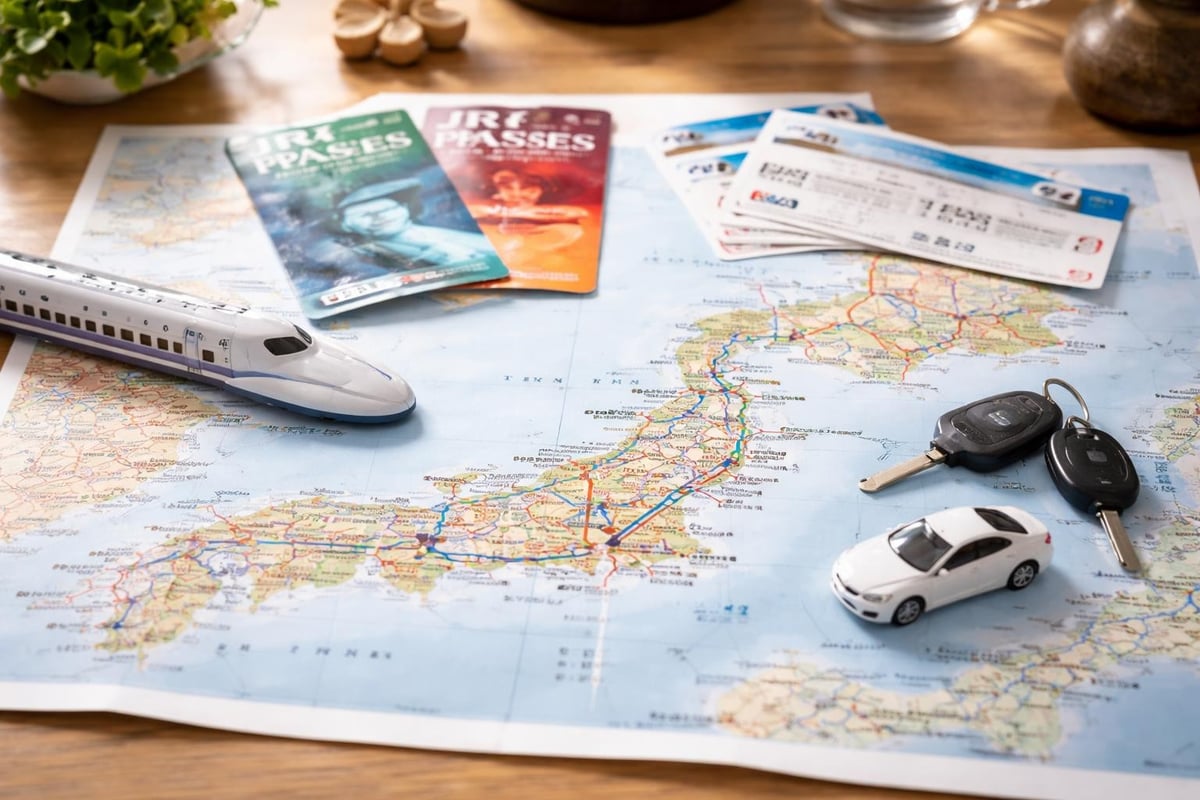
Transportation choices fundamentally shape your Japanese adventure. The Japan Rail (JR) Pass represents one of the most economical and convenient options for extensive travel. This pass facilitates efficient and cost-effective travel across the country's extensive railway network, including most shinkansen (bullet train) lines.
| Pass Duration | Ordinary Class | Green Class | Best For |
|---|---|---|---|
| 7 Days | ¥50,000 | ¥70,000 | Single region exploration |
| 14 Days | ¥80,000 | ¥110,000 | Multi-region itineraries |
| 21 Days | ¥100,000 | ¥140,000 | Comprehensive coverage |
The pass must be purchased before arriving in Japan and activated upon arrival. Calculate whether the pass saves money by totaling individual ticket costs for your planned routes.
Alternative Transportation Methods
Regional passes serve travelers focusing on specific areas. The JR East Pass, JR West Pass, and Hokkaido Rail Pass offer flexibility for concentrated exploration at lower costs.
Domestic flights make sense for covering vast distances quickly, particularly between Tokyo and Hokkaido or Okinawa. Budget carriers like Peach and Jetstar Japan provide affordable options.
Rental cars unlock rural areas inaccessible by public transport. Hokkaido, the Japanese Alps, and parts of Kyushu benefit most from self-driving adventures. International driving permits are required.
Seasonal Considerations for Optimal Experiences
Timing dramatically affects what you'll see and how you'll experience Japan. Each season brings distinct advantages and challenges that influence the best way to see Japan for your specific interests.
Spring (March-May)
Cherry blossom season peaks between late March and early April, creating spectacular pink canopies nationwide. This represents Japan's most popular tourist season, resulting in premium prices and crowded attractions.
- Advantages: Perfect weather, iconic sakura viewing, vibrant festivals
- Challenges: Higher costs, advance booking essential, crowded sites
- Best destinations: Tokyo, Kyoto, Yoshino, Hirosaki Castle
Summer (June-August)
Summer splits between rainy season (June-July) and hot, humid weather thereafter. Despite these conditions, summer festivals (matsuri) and mountain hiking opportunities abound.
Obon Festival in mid-August sees millions traveling domestically, creating transportation challenges but offering authentic cultural experiences.
Autumn (September-November)
Many travelers consider autumn the best way to see Japan. Comfortable temperatures combine with stunning fall foliage (koyo) and fewer crowds than spring.
- Peak foliage: Mid-November in Tokyo/Kyoto, earlier in Hokkaido
- Weather: Mild, dry, ideal for walking tours
- Special events: Harvest festivals, chrysanthemum displays
Winter (December-February)
Winter transforms Japan into a wonderland for ski enthusiasts while offering unique experiences like snow festivals and winter illuminations. Comprehensive travel guides detail winter attractions that many visitors overlook.
| Season | Average Temp | Rainfall | Crowd Level | Price Level |
|---|---|---|---|---|
| Spring | 50-65°F | Moderate | Very High | High |
| Summer | 75-90°F | High | Moderate | Moderate |
| Autumn | 50-70°F | Low | High | Moderate-High |
| Winter | 30-50°F | Low-Moderate | Low | Low-Moderate |
Crafting the Perfect Itinerary
First-Time Visitor Routes
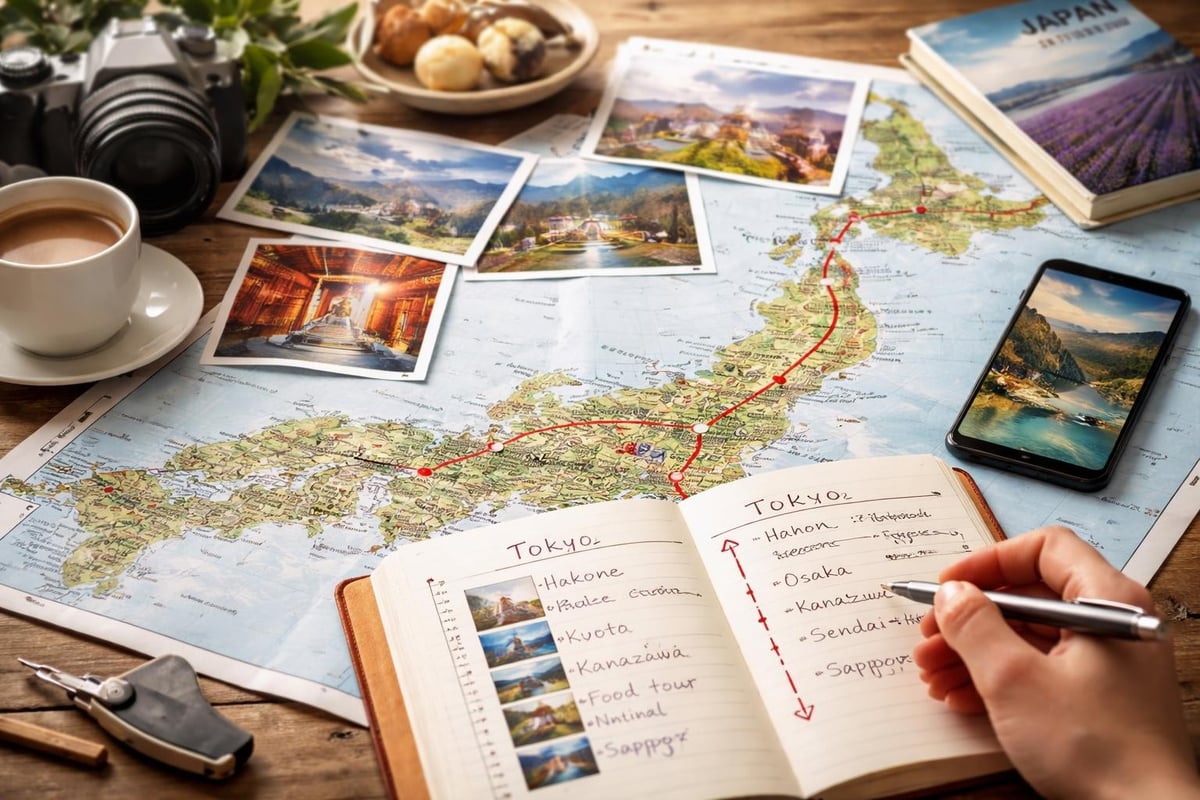
For newcomers determining the best way to see Japan, the Golden Route provides an excellent foundation. This classic itinerary connects Tokyo, Hakone/Mt. Fuji, Kyoto, and Osaka over 10-14 days.
Days 1-4: Tokyo
- Modern districts: Shibuya, Shinjuku, Harajuku
- Traditional areas: Asakusa, Meiji Shrine
- Day trip: Nikko or Kamakura
Days 5-6: Hakone/Mt. Fuji
- Scenic Lake Ashi cruise
- Onsen (hot spring) experience
- Mt. Fuji views (weather permitting)
Days 7-10: Kyoto
- Temple circuit: Kinkaku-ji, Fushimi Inari, Kiyomizu-dera
- Arashiyama bamboo grove
- Traditional geisha districts
Days 11-12: Osaka
- Street food culture in Dotonbori
- Osaka Castle
- Day trip to Nara or Hiroshima
Extended Itineraries
With three weeks or more, expand beyond the Golden Route to experience Japan's remarkable diversity. Northern explorations might include Takayama, Kanazawa, and the Japan Alps before reaching Hokkaido.
Southern extensions could incorporate Hiroshima, Miyajima Island, and the artistic islands of the Seto Inland Sea. Adventure seekers might tackle the 88-temple pilgrimage route in Shikoku or explore Okinawa's tropical paradise.
Cultural Immersion Strategies
Experiencing authentic Japanese culture elevates any trip from sightseeing to genuine understanding. The best way to see Japan involves balancing iconic landmarks with meaningful cultural exchanges.
Traditional Accommodations
Ryokan (traditional inns) offer multi-course kaiseki dinners, communal or private onsen baths, and tatami-mat rooms with futon bedding. These accommodations provide immersive cultural experiences worth prioritizing for at least 1-2 nights.
Temple stays (shukubo) allow visitors to participate in morning prayers, meditation, and vegetarian Buddhist cuisine. Mount Koya represents the premier destination for temple lodging.
Culinary Adventures
Food represents an essential gateway to Japanese culture. Move beyond tourist restaurants to discover authentic experiences:
- Depachika (department store basements) showcase impeccable food presentation
- Izakaya (casual pubs) reveal social dining culture
- Cooking classes teach techniques behind sushi, ramen, or home-style dishes
- Morning fish markets like Toyosu in Tokyo demonstrate food sourcing traditions
Festival Participation
Matsuri (festivals) occur year-round across Japan, celebrating seasons, harvests, and historical events. Planning resources help identify festivals aligned with your travel dates.
Major festivals include Gion Matsuri (July, Kyoto), Nebuta Matsuri (August, Aomori), and Sapporo Snow Festival (February, Hokkaido).
Urban vs. Rural Experiences
Balancing metropolitan energy with countryside tranquility creates a well-rounded Japanese journey. Cities showcase technological advancement, fashion trends, and entertainment culture. Rural areas preserve traditional lifestyles, agricultural practices, and natural landscapes.
Urban Highlights
Tokyo demands 3-5 days minimum to scratch the surface. Each neighborhood functions as a distinct destination with unique character.
Kyoto requires similar time investment despite its smaller size, given the density of temples, gardens, and cultural sites.
Osaka offers dynamic food culture and nightlife in 1-2 days, serving as an excellent base for Kansai region exploration.
Rural Treasures
Takayama in Gifu Prefecture preserves Edo-period merchant houses and morning markets that transport visitors centuries backward.
Shirakawa-go showcases thatched-roof farmhouses (gassho-zukuri) nestled in mountain valleys, creating postcard-perfect scenery.
Kumano Kodo pilgrimage trails wind through sacred mountains in Wakayama Prefecture, connecting ancient shrines through pristine forests.
Practical Considerations for Seamless Travel
Language and Communication
English proficiency varies dramatically across Japan. Major cities and tourist sites generally offer English signage and some English-speaking staff. Rural areas present greater challenges.
Essential preparation includes:
- Translation apps (Google Translate with offline mode)
- Pocket WiFi rental or local SIM card
- Basic Japanese phrases for courtesy
- Restaurant cards explaining dietary restrictions
Money Matters
Japan remains surprisingly cash-dependent despite its technological reputation. Many restaurants, shops, and accommodations (especially traditional ones) don't accept credit cards.
Financial tips:
- Withdraw sufficient yen from 7-Eleven or post office ATMs
- Carry cash for daily expenses
- IC cards (Suica, Pasmo) simplify train travel and small purchases
- Budget ¥10,000-15,000 daily for mid-range travel
Booking and Reservations
Popular restaurants, some temples, and seasonal attractions require advance reservations. Detailed travel planning resources demonstrate reservation timing and procedures.
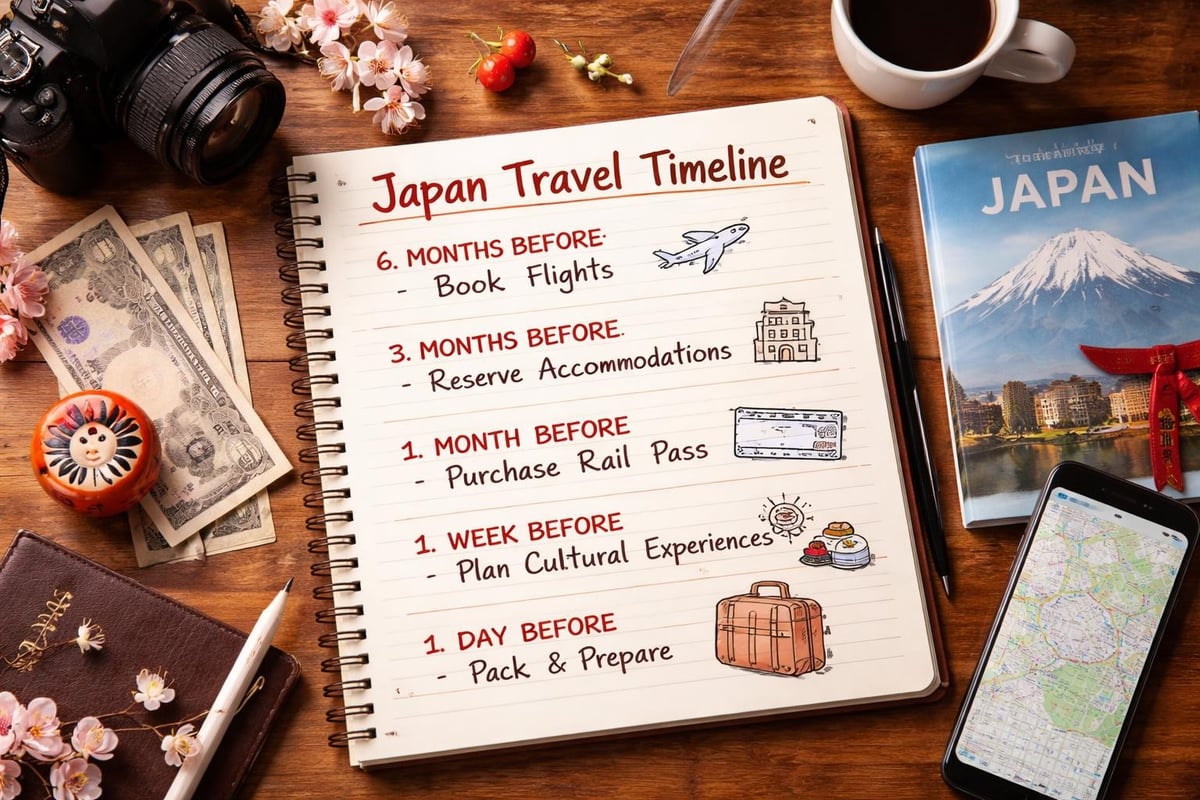
Book accommodations 2-3 months ahead during peak seasons. Competitive restaurants in Tokyo and Kyoto may require reservations weeks in advance through hotel concierges.
Specialized Interest Itineraries
Photography Enthusiasts
Photographers find endless subjects across Japan's seasons and landscapes. Dawn at Fushimi Inari Shrine, the chaotic energy of Shibuya Crossing, autumn colors in the Japan Alps, and winter snow monkeys in Nagano provide portfolio-worthy opportunities.
Technical considerations:
- Sunrise timing varies significantly by season
- Tripods restricted at some temples and shrines
- Golden hour photography requires early wake-ups
- Respectful distance from locals and cultural ceremonies
History and Architecture Buffs
Japan's architectural evolution spans wooden temples, feudal castles, traditional merchant houses, and contemporary masterpieces. UNESCO World Heritage sites number 25, offering structured goals for history-focused travelers.
Must-see historical sites:
- Himeji Castle (original feudal architecture)
- Hiroshima Peace Memorial
- Historic monuments of ancient Nara
- Sacred sites and pilgrimage routes in Kii Mountains
Nature and Outdoor Adventurers
Beyond urban attractions, Japan offers spectacular natural environments. The Japanese Alps provide world-class hiking, while coastal regions deliver marine activities and island-hopping adventures.
Spring through autumn suits most outdoor activities. Winter attracts skiers and snowboarders to Hokkaido and Nagano resorts. Walking tours across various regions reveal Japan's natural diversity through immersive trekking experiences.
Sustainable and Responsible Tourism
Overtourism challenges major sites like Kyoto's bamboo groves and Mt. Fuji trails. Thoughtful travelers can minimize their impact while enjoying richer experiences.
Sustainable practices include:
- Visiting popular sites during off-peak hours
- Supporting local businesses over international chains
- Choosing less-visited alternatives to famous landmarks
- Respecting photography restrictions at temples and shrines
- Following proper onsen etiquette and temple protocols
- Using public transportation over taxis when feasible
Group Tours vs. Independent Travel
The best way to see Japan varies based on your comfort level with independent navigation and desire for structure versus flexibility.
Independent Travel Advantages
Freedom to adjust plans spontaneously, explore at your own pace, and discover unexpected treasures defines independent travel. Japan's safety, cleanliness, and efficient transportation make solo navigation remarkably stress-free.
Challenges include language barriers, reservation logistics, and potential isolation for those craving social interaction.
Private Tour Benefits
Customized itineraries through private tours eliminate logistical stress while providing cultural context and local expertise. Professional guides navigate language barriers, secure competitive restaurant reservations, and share historical insights that deepen understanding.
Private tours particularly benefit travelers with limited time, specific interests, mobility considerations, or those seeking authentic cultural access beyond typical tourist experiences.
Technology and Connectivity
Staying connected enhances safety and convenience throughout your journey. Pocket WiFi devices or local SIM cards ensure constant internet access for navigation, translation, and research.
Essential apps for Japan travel:
- Google Maps: Comprehensive transit directions
- Hyperdia: Train schedule planning
- Tabelog: Restaurant discovery and ratings
- Google Translate: Real-time translation via camera
- Japan Official Travel App: Multilingual support and emergency information
QR code payments and digital guidebooks increasingly replace traditional methods. However, maintaining paper backups for critical information prevents technology-dependent disasters.
Budget Optimization Strategies
Japan's reputation for expensive travel deserves nuance. Strategic choices significantly reduce costs without sacrificing quality experiences.
Accommodation Savings
Capsule hotels provide clean, affordable urban accommodation (¥3,000-5,000 nightly). Business hotels offer simple but comfortable rooms (¥6,000-10,000). Hostels suit budget travelers and solo adventurers seeking social connections.
Dining Economics
Convenience store meals deliver surprising quality at minimal cost. Lunch sets at restaurants cost 30-50% less than dinner. Standing sushi bars and ramen shops serve authentic food at fraction of full-service restaurant prices.
Free and Low-Cost Attractions
Many temples and shrines charge no admission. Public parks, neighborhood exploration, and market visits cost nothing while providing authentic cultural immersion. Municipal museums often offer free admission days monthly.
Discovering the best way to see Japan requires aligning transportation choices, seasonal timing, regional selection, and cultural priorities with your personal interests and travel style. Whether you prioritize efficiency through rail passes and structured itineraries or prefer slow travel that emphasizes depth over breadth, Japan rewards thoughtful planning with unforgettable experiences. TOURJAPAN specializes in crafting personalized private tours that remove logistical stress while ensuring authentic cultural access, allowing you to focus entirely on experiencing Japan's extraordinary beauty and traditions. Let their expertise transform your Japan dreams into a seamlessly executed reality.


