

Japan's most celebrated travel route offers first-time visitors an extraordinary introduction to the country's diverse culture, history, and modern innovation. The golden route japan tour encompasses the essential destinations that showcase Japan's remarkable blend of ancient traditions and cutting-edge technology, connecting Tokyo, Mount Fuji, Kyoto, and Osaka in a journey that has captivated millions of international travelers. This time-tested itinerary provides the perfect foundation for understanding Japan's complexity while offering enough flexibility to accommodate various travel styles and preferences.
Understanding the Golden Route Japan Tour
The golden route japan tour represents the most popular travel corridor through Japan's main island of Honshu, strategically connecting the country's most iconic destinations. This well-established route typically begins in Tokyo, Japan's bustling capital, and extends westward through Hakone or the Mount Fuji region before continuing to the historic cities of Kyoto and Osaka. The route's designation as "golden" reflects both its status as the premier introduction to Japanese culture and the exceptional value it offers travelers seeking comprehensive cultural immersion.
This traditional itinerary has evolved over decades to represent the optimal balance between must-see attractions and practical logistics. Japan Guide offers comprehensive insights into the major cities and attractions that define this journey, helping travelers understand the cultural significance of each destination along the route.
Why This Route Remains Popular
Several factors contribute to the enduring popularity of this travel pattern. First, the exceptional transportation infrastructure connecting these destinations makes movement between cities remarkably efficient and stress-free. Japan's renowned Shinkansen bullet train system allows travelers to move from Tokyo to Kyoto in just over two hours, transforming what would be a lengthy journey into a comfortable and scenic experience.
Second, the route's cultural diversity provides travelers with exposure to multiple facets of Japanese society. Tokyo represents the future-focused, technologically advanced face of Japan, while Kyoto preserves centuries of traditional culture through its temples, gardens, and geisha districts. Osaka adds a third dimension with its distinctive food culture and mercantile heritage.
Tokyo: Beginning Your Golden Route Journey
Tokyo serves as the natural starting point for most travelers embarking on a golden route japan tour, offering an overwhelming array of neighborhoods, attractions, and experiences. The city's vast scale can intimidate first-time visitors, but strategic planning transforms Tokyo from a bewildering metropolis into a series of distinct, manageable districts.
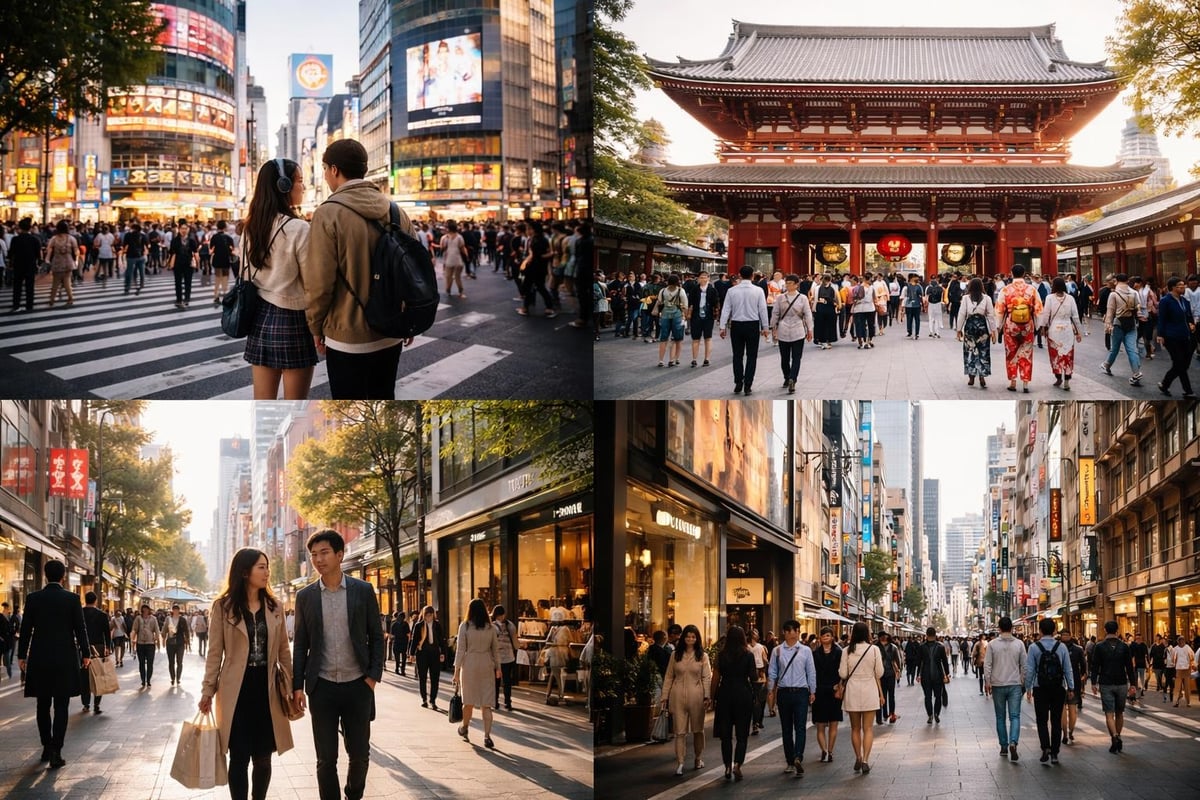
Essential Tokyo Neighborhoods
The following districts deserve priority attention during your Tokyo exploration:
- Shibuya and Harajuku: Youth culture, fashion innovation, and the world's busiest pedestrian crossing
- Shinjuku: Towering skyscrapers, entertainment districts, and observation decks offering panoramic city views
- Asakusa: Traditional atmosphere centered around Senso-ji Temple, Tokyo's oldest Buddhist temple
- Ginza: Upscale shopping, fine dining, and architectural sophistication
- Akihabara: Electronics, anime culture, and cutting-edge technology displays
Maximizing Your Tokyo Experience
Most travelers allocate three to four days for Tokyo, though the city could easily occupy two weeks for those with unlimited time. Priority should be given to experiences that showcase Tokyo's unique character rather than attempting to visit every attraction. Consider focusing on cultural contrasts by pairing traditional sites like Meiji Shrine with ultra-modern destinations like teamLab Borderless digital art museum.
Food experiences in Tokyo deserve particular attention, as the city boasts more Michelin-starred restaurants than any other global metropolis. From humble ramen shops to kaiseki fine dining, Tokyo's culinary landscape offers options for every budget and preference. Tsukiji Outer Market and depachika (department store food halls) provide excellent opportunities for food exploration.
Mount Fuji and Hakone Region
The journey from Tokyo to Kyoto presents an ideal opportunity to experience Japan's most iconic natural landmark. Mount Fuji's perfectly symmetrical cone has inspired artists, poets, and travelers for centuries, and the golden route japan tour traditionally includes at least a viewing of this sacred mountain.
Hakone as Your Base
Hakone offers the most convenient base for Mount Fuji appreciation while providing its own attractions. This mountainous resort region features natural hot springs, art museums, and the scenic Lake Ashi. The Hakone Loop allows travelers to experience multiple transportation methods including cable cars, ropeways, and a pirate ship cruise.
| Hakone Attraction | Experience Type | Recommended Time |
|---|---|---|
| Lake Ashi Cruise | Scenic views of Mount Fuji | 30-45 minutes |
| Hakone Open-Air Museum | Art and nature integration | 2-3 hours |
| Owakudani Valley | Volcanic activity observation | 1-2 hours |
| Traditional Onsen | Hot spring bathing | 1-2 hours |
Weather significantly impacts Mount Fuji visibility, with clear viewing most common during winter months and early mornings. Many travelers choose to overnight in Hakone to maximize their chances of seeing Fuji-san under optimal conditions.
Kyoto: Cultural Heart of Japan
Kyoto represents the spiritual and cultural centerpiece of any golden route japan tour, offering an unparalleled concentration of temples, shrines, gardens, and traditional architecture. As Japan's imperial capital for over a thousand years, Kyoto preserved much of its historic character even as the country modernized rapidly during the 20th century.
The city contains seventeen UNESCO World Heritage sites, over 1,600 Buddhist temples, and 400 Shinto shrines. This extraordinary cultural wealth requires strategic planning to avoid overwhelming yourself while ensuring you experience Kyoto's essential attractions.
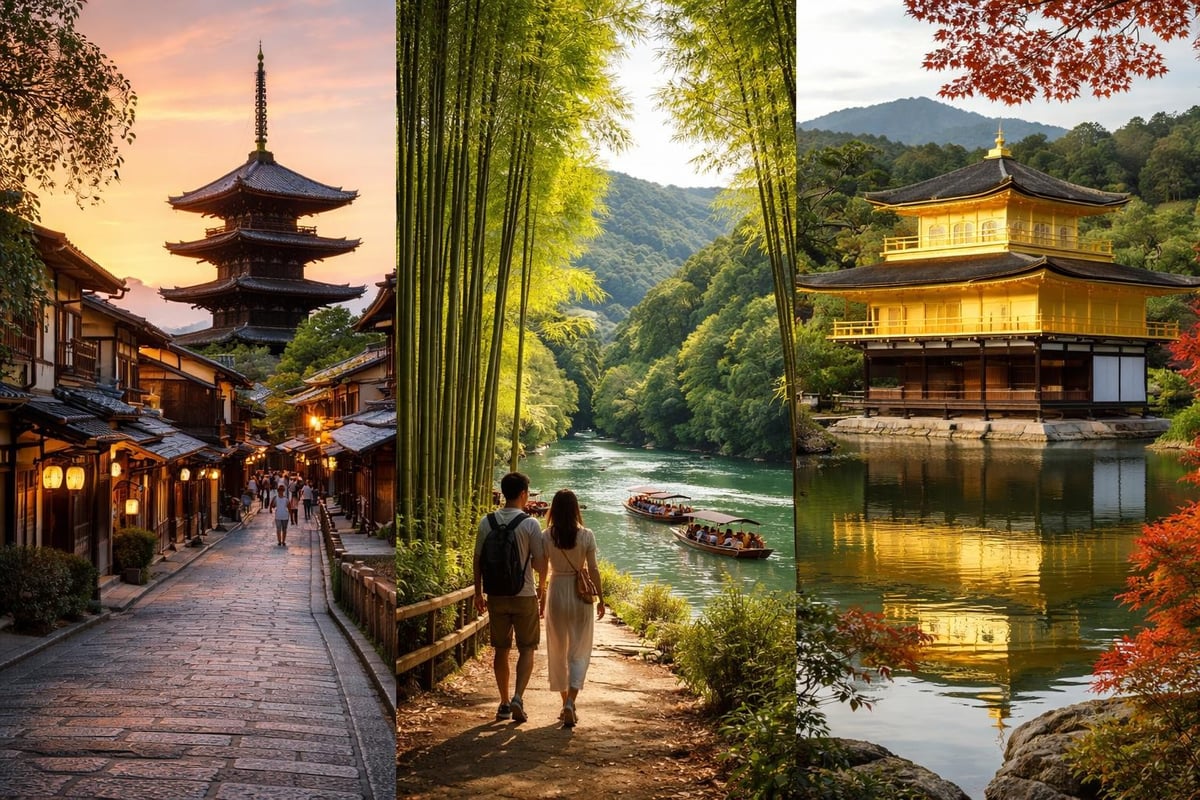
Priority Kyoto Attractions
Must-See Temples and Shrines:
- Kinkaku-ji (Golden Pavilion): Stunning gold-leaf covered Zen temple overlooking a reflective pond
- Fushimi Inari Shrine: Thousands of vermillion torii gates creating tunnels up the mountainside
- Kiyomizu-dera: Historic wooden temple with commanding city views from its famous stage
- Ryoan-ji: Home to Japan's most celebrated Zen rock garden
- Ginkaku-ji (Silver Pavilion): Elegant temple complex with refined gardens and philosophy path
Beyond temples, Kyoto rewards those who explore its traditional neighborhoods. The Gion district preserves geisha culture and wooden machiya townhouses, while Arashiyama offers bamboo groves and riverside tranquility. The Nishiki Market provides culinary exploration through Kyoto's distinctive food culture.
Experiencing Traditional Culture
Kyoto presents numerous opportunities for hands-on cultural participation. Tea ceremony experiences, kimono wearing, and traditional craft workshops allow travelers to engage directly with Japanese cultural practices rather than simply observing from a distance. Many private tour operators can arrange exclusive access to temples, gardens, and cultural experiences not available to general visitors.
Seasonal timing dramatically affects the Kyoto experience. Cherry blossom season (late March to early April) and autumn foliage (November) attract massive crowds but offer incomparable natural beauty. Summer brings intense heat and humidity, while winter provides peaceful temple visits with occasional snow creating magical atmospheres.
Osaka: Culinary Capital and Final Stop
Osaka completes the golden route japan tour with a distinctly different energy than Tokyo or Kyoto. Known as "Japan's kitchen," Osaka has built its identity around food culture, merchant traditions, and an unpretentious approachability that contrasts with Tokyo's intensity and Kyoto's refinement.
What Makes Osaka Unique
The city's signature foods deserve attention from any traveler who appreciates culinary experiences. Okonomiyaki (savory pancakes), takoyaki (octopus balls), and kushikatsu (deep-fried skewers) represent Osaka's street food culture at its finest. The Dotonbori district epitomizes Osaka's vibrant food scene with its neon lights, canal-side dining, and energetic atmosphere.
| Osaka Experience | Best Location | Key Characteristics |
|---|---|---|
| Street Food | Dotonbori, Kuromon Market | Takoyaki, okonomiyaki, kushikatsu |
| Historic Castle | Osaka Castle Park | Iconic architecture, museums, grounds |
| Modern Shopping | Umeda, Shinsaibashi | Department stores, underground malls |
| Nightlife | Namba, Amerikamura | Bars, clubs, entertainment |
Day Trips from Osaka
Osaka's central location makes it an excellent base for exploring nearby destinations. Nara, just 45 minutes away, offers ancient temples and famous friendly deer roaming freely in the park. Kobe provides harbor views, sake breweries, and the legendary Kobe beef experience. Himeji Castle, widely considered Japan's most beautiful original castle, sits less than an hour from Osaka.
Practical Planning for Your Golden Route Experience
Successfully executing a golden route japan tour requires attention to several practical considerations. Transportation, accommodation, timing, and budget all significantly impact the overall experience.
Transportation Strategy
The JR Pass represents the most economical option for travelers planning multiple long-distance train journeys. This special tourist ticket allows unlimited travel on most JR trains, including the Shinkansen bullet trains connecting golden route destinations. The seven-day pass typically pays for itself after one Tokyo-Kyoto round trip.
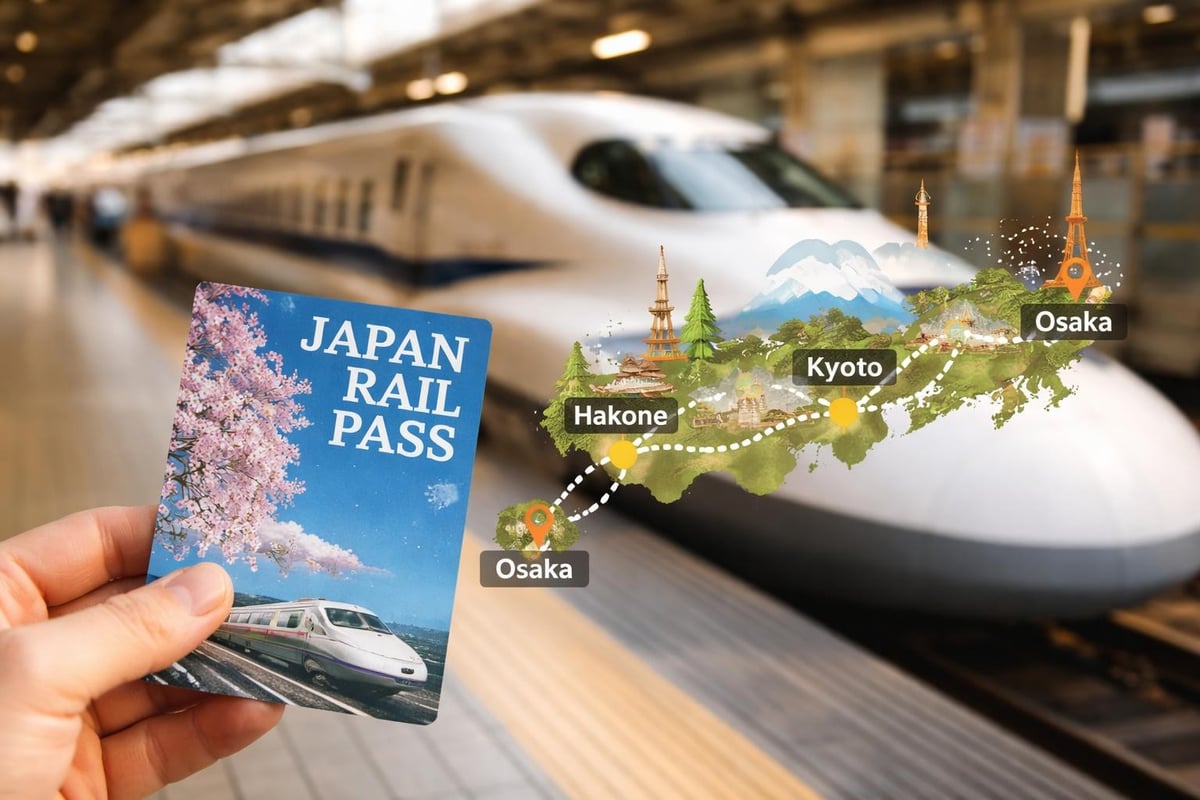
Transportation Options Comparison:
- 7-Day JR Pass: Approximately $280, unlimited JR travel including Shinkansen
- Individual Shinkansen Tickets: Tokyo to Kyoto approximately $130 one-way
- IC Cards (Suica/PASMO): Convenient for local trains, buses, and convenience store purchases
- Airport Transfers: Narita Express or Keisei Skyliner from Tokyo airports
Accommodation Considerations
Accommodation choices dramatically affect both budget and cultural experience. Western-style hotels provide familiar comfort, while traditional ryokan inns offer tatami rooms, kaiseki meals, and onsen bathing. Many travelers mix both styles throughout their golden route japan tour.
Budget allocation should consider that Tokyo and Kyoto typically command higher accommodation prices than Osaka. Booking well in advance secures better rates and location choices, particularly during peak seasons when availability becomes constrained.
Optimal Duration and Timing
A comprehensive golden route japan tour typically requires 10 to 14 days, allowing adequate time in each destination without excessive rushing. Recommended distribution:
- Tokyo: 3-4 days
- Mount Fuji/Hakone: 1-2 days
- Kyoto: 4-5 days
- Osaka: 2-3 days
This allocation provides flexibility for day trips, rest days, and unexpected discoveries that enhance any journey. Travelers with limited time can compress the itinerary to seven or eight days, though this requires sacrificing depth for breadth.
Extending Beyond the Basic Route
While the traditional golden route japan tour provides an excellent foundation, several worthwhile extensions deserve consideration for travelers with additional time. The western Japan heritage route explores regions beyond the standard corridor, offering insights into lesser-known cultural treasures.
Western Extensions
Hiroshima and Miyajima add profound historical significance and natural beauty to the journey. Hiroshima's Peace Memorial Park provides sobering reflection on World War II history, while nearby Miyajima Island features the iconic floating torii gate of Itsukushima Shrine.
Northern Additions
Takayama and Kanazawa showcase traditional architecture and crafts in beautifully preserved historic districts. These destinations add regional diversity while remaining accessible via the JR Pass network.
Eastern Options
Nikko's elaborate shrines and natural beauty lie just two hours north of Tokyo, offering a worthwhile day trip or overnight extension. The mountain setting provides a dramatic contrast to urban environments.
Enhancing Your Experience with Private Tours
While the golden route japan tour can certainly be navigated independently, private tours offer significant advantages for travelers seeking deeper cultural understanding and seamless logistics. Professional guides provide context that transforms sightseeing into meaningful cultural education, while handling practical details that can challenge foreign visitors.
Private tours eliminate language barriers at restaurants, temples, and shops while offering access to experiences unavailable to independent travelers. Guides can adjust itineraries in real-time based on weather, crowd conditions, and emerging interests, creating responsive travel experiences rather than rigid schedules.
The investment in professional guidance pays dividends through efficiency, insight, and stress reduction. Rather than spending vacation time researching bus schedules or navigating complex train stations, travelers can focus entirely on experiencing Japan's extraordinary culture and beauty.
The golden route japan tour continues to represent the ideal introduction to Japan's remarkable culture, history, and modern innovation, offering first-time visitors an efficient journey through the country's most essential destinations. Whether you prefer independent exploration or guided experiences, this time-tested itinerary provides the framework for an unforgettable Japanese adventure. TOURJAPAN specializes in crafting personalized golden route experiences that go beyond standard tourism, offering exclusive cultural access and expert guidance that transforms a great trip into an extraordinary journey through Japan's most captivating destinations.


