

Japan offers travelers an extraordinary blend of ancient traditions and cutting-edge modernity, from tranquil Zen gardens to bustling neon-lit streets. While independent travel has its appeal, guided tours in Japan provide unmatched depth, cultural context, and access to experiences that most visitors would otherwise miss. Professional guides transform sightseeing into meaningful cultural immersion, navigating language barriers while revealing the stories behind every temple, garden, and neighborhood. As Japan continues to welcome international visitors in 2026, understanding the value and variety of guided tour options becomes essential for anyone seeking an authentic, enriching journey through this remarkable country.
Understanding the Value of Professional Guidance
Japan's cultural complexity makes it one of the world's most rewarding yet challenging destinations for international travelers. A knowledgeable guide bridges the gap between observation and understanding, explaining the significance of seemingly simple gestures, architectural details, and seasonal customs.
Cultural Context That Transforms Sightseeing
Without proper context, visitors might see a beautiful building; with expert guidance, they understand the centuries of philosophy, craftsmanship, and social history embedded in every design element. Professional guides illuminate the subtle meanings behind tea ceremony movements, explain why certain shrine gates appear in specific colors, and reveal how seasonal changes influence Japanese art and cuisine.
Key benefits of cultural interpretation include:
- Understanding religious practices at temples and shrines
- Recognizing regional variations in cuisine and dialect
- Appreciating the significance of seasonal festivals
- Learning proper etiquette for different social situations
- Discovering how historical events shaped modern Japan
Language Barriers and Communication Solutions
Japan's relatively low English proficiency outside major tourist areas creates genuine challenges for independent travelers. Hiring Licensed Guide Interpreters ensures smooth communication not just for sightseeing, but for dining reservations, transportation assistance, and emergency situations.
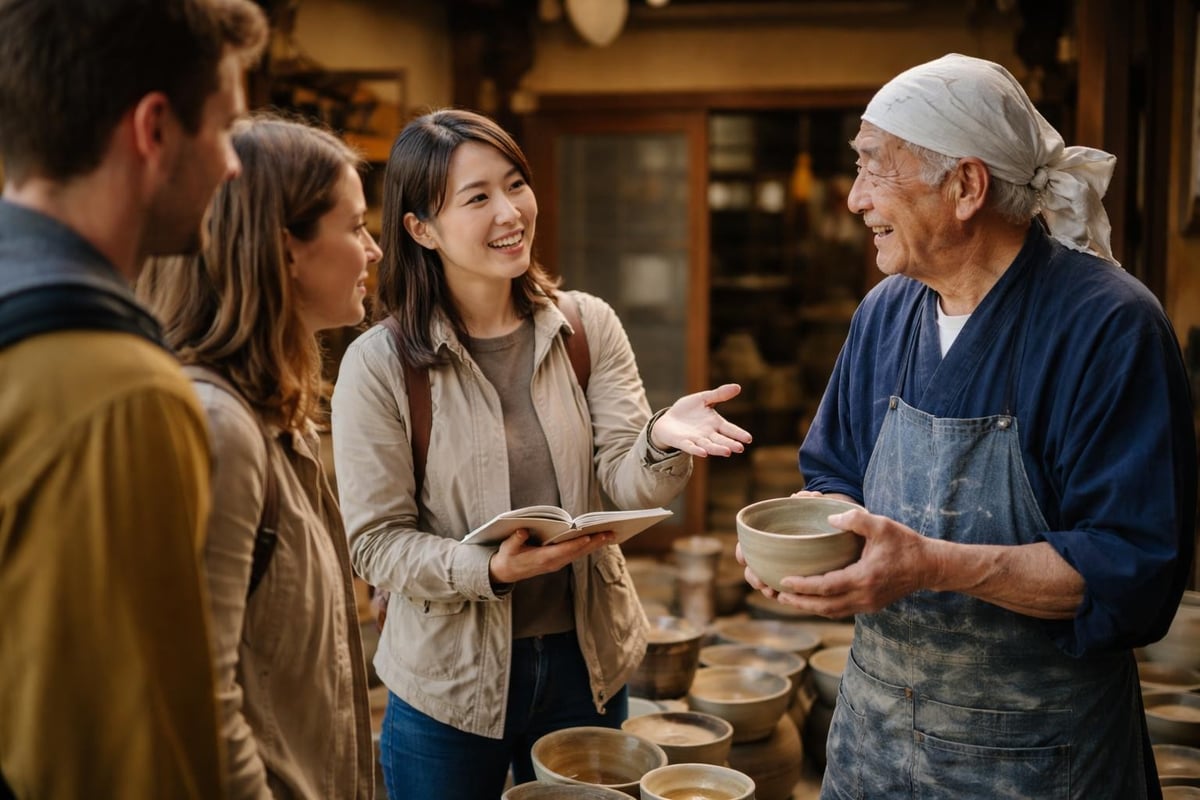
Guides serve as cultural ambassadors who can engage with locals on your behalf, unlocking experiences like conversations with traditional craftspeople, interactions at family-run restaurants, and access to venues that rarely accommodate foreign visitors. This level of connection proves impossible through translation apps alone.
Types of Guided Tours Available
The landscape of guided tours in Japan has evolved significantly, offering options for every travel style, budget, and interest level. Understanding these categories helps travelers select the experience that best matches their preferences.
Private Customized Experiences
Private tours deliver the highest level of personalization, with itineraries designed around specific interests, pace preferences, and mobility requirements. These tours accommodate dietary restrictions, photography priorities, and special access requests that group tours cannot fulfill.
| Tour Type | Group Size | Flexibility | Price Range | Best For |
|---|---|---|---|---|
| Private Custom | 1-8 people | Complete | Premium | Families, special interests |
| Small Group | 6-12 people | Moderate | Mid-range | Social travelers, value seekers |
| Large Group | 15-30 people | Limited | Budget-friendly | First-time visitors, structured itineraries |
| Specialized Theme | Varies | Topic-focused | Premium | Deep cultural immersion |
Regional and Thematic Options
Different regions and themes require distinct expertise. Expert-guided tours of discovery showcase how specialized knowledge enhances experiences, whether exploring classical music venues in Kamakura, historical sites in Miyajima, or winter activities in Hokkaido.
Popular thematic tour categories:
- Culinary journeys focusing on regional specialties and cooking techniques
- Historical tours covering samurai heritage, feudal castles, and wartime sites
- Spiritual experiences including temple stays and meditation practices
- Nature adventures featuring hiking trails, national parks, and wildlife
- Art and craft workshops with traditional artisans and contemporary creators
- Photography expeditions timed for optimal lighting and seasonal conditions
Off-Beaten-Path Adventures
Standard tourist circuits miss much of Japan's authentic character. Guided group tours exploring lesser-known regions reveal rural villages, mountain shrines, and coastal communities where traditional lifestyles persist largely unchanged by modernity.
These specialized tours require guides with deep regional knowledge, established local relationships, and logistical expertise to access areas with limited tourist infrastructure. The rewards include genuine cultural exchanges, uncrowded historical sites, and landscapes of stunning natural beauty.
Selecting the Right Guide for Your Journey
Not all guides offer equal expertise or service quality. Understanding certification standards, specializations, and service models helps travelers make informed decisions.
Certification and Qualification Standards
Japan maintains rigorous certification programs for professional guides. Licensed Guide Interpreters undergo comprehensive examinations covering language proficiency, cultural knowledge, and guiding techniques. These credentials ensure a baseline of competence and professionalism.
However, certification alone doesn't guarantee the right match for every traveler. Consider additional factors like regional expertise, special interests, personality compatibility, and previous client reviews. Professional tour guide search platforms allow filtering by language, location, and specialization.
Matching Guide Expertise to Travel Interests
A guide specializing in Buddhist temple architecture brings different value than one focused on contemporary urban culture or rural textile traditions. Define your primary interests before selecting a guide, then verify their relevant experience and knowledge depth.
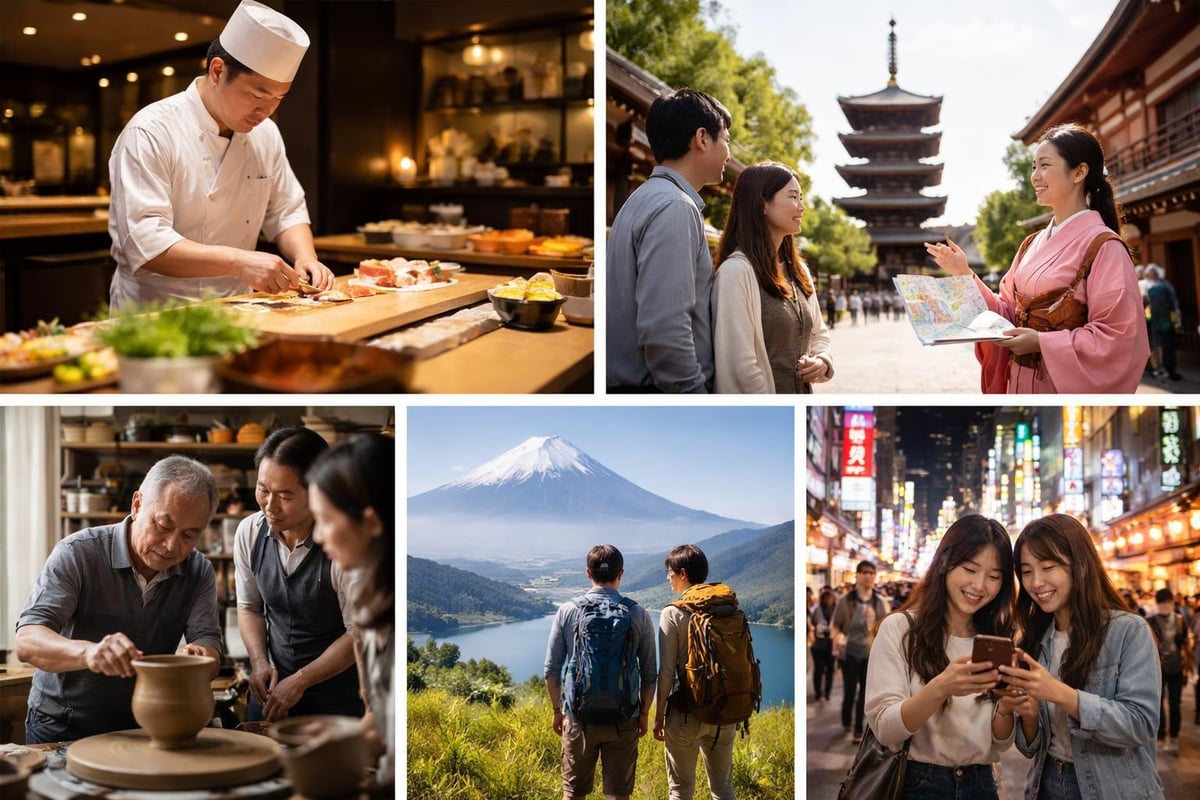
Questions to ask potential guides:
- What regions do you know most intimately?
- What are your specific areas of expertise or passion?
- How many years have you worked as a professional guide?
- Can you provide references from recent clients with similar interests?
- How do you customize itineraries based on client preferences?
- What accessibility accommodations can you arrange if needed?
Understanding Service Models and Pricing
Guided tours in Japan vary dramatically in pricing structure and included services. Some guides charge hourly rates, others offer full-day packages, and comprehensive tour companies bundle transportation, accommodations, and activities.
| Service Component | Typical Range | What's Included | Additional Costs |
|---|---|---|---|
| Guide fee (full day) | $300-$600 | Expertise, planning | Entrance fees, meals |
| Transportation | $150-$400 | Vehicle, driver, fuel | Parking, highway tolls |
| Activity fees | $50-$300 per activity | Entrance, reservations | Special experiences |
| Meals | $100-$300 per day | Guide recommendations | Guest and guide meals |
Premium services justify higher costs through exclusive access, exceptional expertise, and seamless logistics. Budget-conscious travelers can find excellent value in shared tours or shorter half-day experiences.
Planning Your Guided Experience
Successful guided tours require thoughtful planning that balances structure with flexibility, ensuring both efficiency and spontaneity.
Optimal Timing and Seasonal Considerations
Japan's dramatic seasonal changes profoundly impact travel experiences. Cherry blossom season (late March to early April) and autumn foliage (November) attract crowds and premium pricing, while summer humidity and winter snow create distinct advantages and challenges.
Experienced guides help navigate these seasonal factors, suggesting optimal timing for specific activities and adjusting itineraries based on weather conditions. They know alternative cherry blossom viewing spots when famous locations overflow with tourists, and can identify the exact weekend when autumn colors peak in different regions.
Itinerary Development and Customization
The best guided tours in Japan balance must-see highlights with unique discoveries tailored to individual interests. Share your priorities clearly during the planning phase, including:
- Pace preferences (relaxed vs. intensive)
- Physical activity levels and mobility requirements
- Cultural experiences versus sightseeing
- Photography opportunities and timing
- Dining preferences and dietary restrictions
- Shopping interests and budget allocations
Professional guides appreciate detailed input while also suggesting additions you might not have considered. Their local knowledge often reveals opportunities perfectly aligned with your interests that no guidebook mentions.
Logistical Considerations
Japan's excellent public transportation system works brilliantly for independent travel, but private vehicle touring offers distinct advantages for guided experiences. Drivers navigate efficiently between locations while guides provide continuous commentary, maximizing limited vacation time.
Transportation considerations include:
- Public transit tours for urban exploration and cultural immersion
- Private vehicle tours for countryside, multiple cities, or mobility needs
- Walking tours for neighborhood discovery and detailed exploration
- Combination approaches matching transportation to each day's activities
Professional sightseeing services demonstrate how local guides enhance experiences through personalized insights and access to hidden gems across different transportation modes.
Regional Highlights and Specialized Experiences
Japan's diversity spans from tropical Okinawa to snowy Hokkaido, with each region offering distinct cultural traditions, landscapes, and experiences.
Tokyo and Greater Kanto
The capital region combines ultra-modern urban energy with traditional neighborhoods, imperial history, and mountain escapes. Guided tours reveal layers invisible to casual visitors: underground jazz clubs in Shibuya, artisan workshops in Asakusa, seasonal festivals in neighborhood shrines, and day trips to Mount Fuji's northern lakes.
Expert guides navigate Tokyo's complexity efficiently, using strategic timing to avoid crowds at popular sites while maximizing time in areas matching your interests. They secure reservations at sought-after restaurants and arrange early morning temple visits before tourist buses arrive.
Kyoto and Historic Kansai
Kyoto's 17 UNESCO World Heritage Sites represent just a fraction of its cultural treasures. The surrounding Kansai region includes Nara's ancient temples, Osaka's vibrant food culture, and the sacred pilgrimage routes of Kumano Kodo.
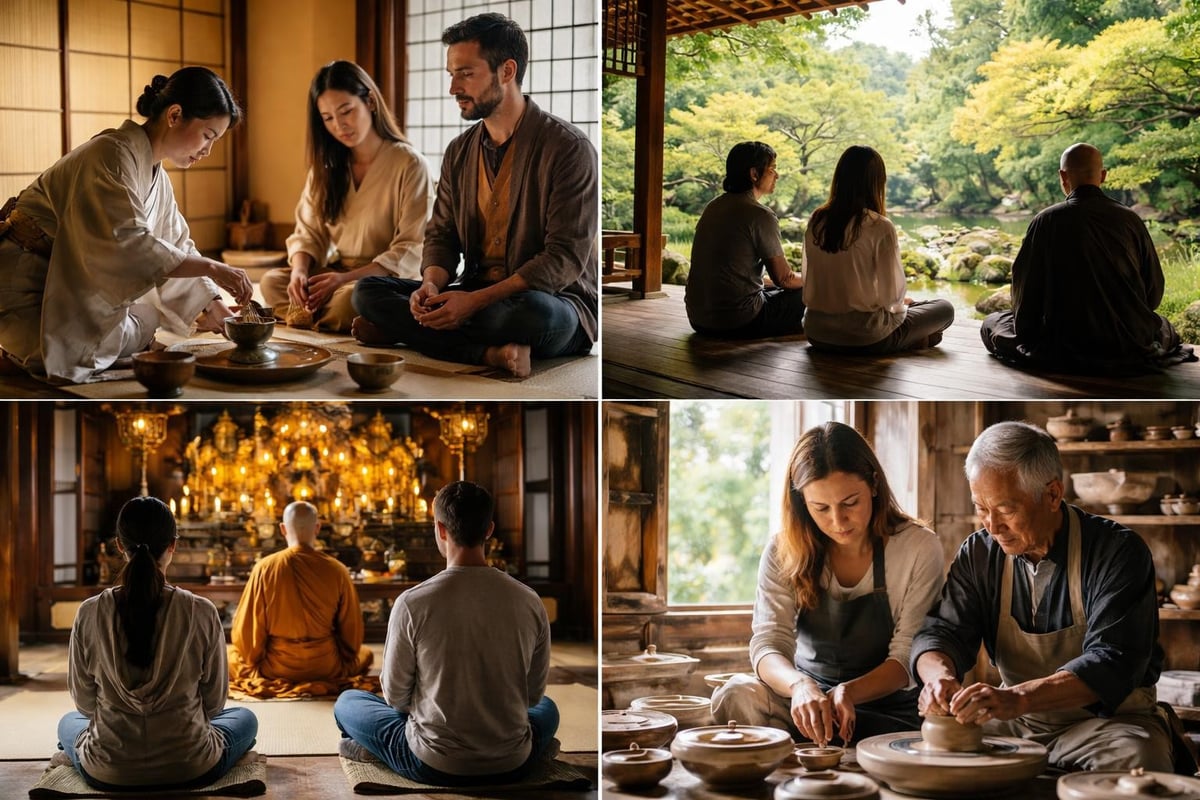
Guides with deep Kansai knowledge unlock exclusive experiences: private tea ceremonies in historic machiya townhouses, after-hours temple access, introductions to master craftspeople, and hidden gardens rarely photographed. Understanding cultural and language barriers becomes particularly important in these traditional areas where English resources remain limited.
Rural and Mountain Regions
Japan's countryside preserves traditions eroded by urban modernization. The Japanese Alps, rural Tohoku, and remote Shikoku offer hiking trails, hot spring villages, farm stays, and communities where seasonal rhythms still govern daily life.
These regions pose the greatest challenges for independent travelers while offering the most rewarding experiences with proper guidance. Local guides maintain relationships with family-run inns, know seasonal harvest schedules, and can arrange participation in community festivals closed to casual tourists.
Maximizing Your Guided Tour Investment
The value of guided tours in Japan extends far beyond the scheduled hours together. Strategic preparation and follow-through multiplies the return on your investment.
Pre-Tour Preparation
Research basic cultural etiquette, identify your primary interests, and communicate openly with your guide before arrival. Share photos of experiences that appeal to you, mention any physical limitations honestly, and clarify your budget parameters.
Preparation checklist:
- Learn basic Japanese greetings and thank you phrases
- Research your guide's background and expertise areas
- Prepare questions about specific cultural practices
- Identify any must-see locations or experiences
- Understand local tipping customs (generally not practiced in Japan)
- Arrange travel insurance and necessary health precautions
During the Experience
Engage actively with your guide, asking questions and sharing your reactions. The best guides adjust itineraries dynamically based on your energy levels, weather conditions, and emerging interests. Don't hesitate to request changes if something isn't working.
Photography enthusiasts should communicate their priorities so guides can optimize timing and locations for optimal light. Foodies might request additional restaurant stops or market visits. History buffs can ask for deeper explanations at sites that particularly resonate.
Post-Tour Integration
Guides often provide recommendations for independent exploration after your guided time concludes. Take detailed notes, collect business cards from recommended shops and restaurants, and ask for suggestions on extending specific interests you discovered together.
Many guides maintain relationships with clients, offering continued advice via email as you plan future Japan visits. This ongoing resource proves invaluable for repeat travelers seeking to explore new regions or dive deeper into particular passions.
The Future of Guided Travel in Japan
Japan's tourism industry continues evolving, with guided tours adapting to changing traveler preferences and technological capabilities. Sustainability concerns, authenticity demands, and desire for transformative experiences shape emerging trends.
Sustainable and Responsible Tourism
Modern travelers increasingly prioritize minimal environmental impact and positive community contributions. Guided tours in Japan now emphasize supporting local economies, respecting cultural sites, and choosing environmentally conscious transportation and accommodations.
Professional guides educate visitors on proper temple etiquette, explain the importance of waste separation in Japanese culture, and select family-owned restaurants and shops over international chains. This approach creates more meaningful experiences while supporting communities beyond major tourist corridors.
Technology Integration
While nothing replaces human expertise and cultural insight, technology enhances modern guided experiences. Guides use apps for real-time itinerary adjustments, share digital photo albums, provide electronic resource guides, and maintain communication through messaging platforms.
However, the core value remains deeply human: interpretation, storytelling, relationship-building, and the ability to read subtle cues that indicate when to provide information versus allowing quiet contemplation.
Specialized Niche Experiences
As Japan welcomes more repeat visitors, demand grows for highly specialized experiences. Guides now offer deep dives into specific topics: Japanese whisky distillery tours, traditional martial arts immersion, textile dyeing workshops, Buddhist meditation retreats, or architectural pilgrimages.
These niche offerings require guides with exceptional expertise in narrow fields, often combining professional qualifications with personal passion. Fully guided tour packages demonstrate the breadth of options now available, from comprehensive overview tours to intensely focused thematic journeys.
Making the Investment Decision
Guided tours represent a significant budget allocation, prompting legitimate questions about value and necessity. Consider both tangible and intangible returns when evaluating this investment.
Calculating Real Value
Compare the cost of guided tours against potential alternatives. Independent travel might seem cheaper initially, but factor in navigation time, communication challenges, missed opportunities, and the stress of constant problem-solving in an unfamiliar cultural context.
Guided experiences deliver efficiency that extends limited vacation time. Professional guides accomplish in one day what might take independent travelers three days through trial, error, and transportation confusion. For travelers with only one or two weeks in Japan, this efficiency proves invaluable.
When to Choose Guided Versus Independent
Not every travel day requires professional guidance. Strategic use of guides for complex regions, special experiences, or initial orientation provides excellent value while allowing independent exploration during simpler days.
Optimal guided tour scenarios:
- First-time visitors seeking cultural orientation
- Travelers with limited time wanting maximum efficiency
- Visitors interested in experiences requiring special access
- Those exploring regions with limited English resources
- Travelers seeking deep cultural immersion beyond surface tourism
- Groups with varied interests needing personalized coordination
Urban areas like Tokyo offer sufficient English signage and resources for confident independent exploration after initial guided orientation. Rural areas, traditional cultural experiences, and specialized activities benefit tremendously from expert guidance.
Guided tours in Japan unlock experiences and insights that transform a good trip into an extraordinary journey of cultural discovery and personal connection. The right guide provides not just navigation and translation, but meaningful interpretation that reveals the heart of Japanese culture across bustling cities and tranquil countryside. Whether you seek comprehensive multi-week itineraries or focused experiences highlighting specific passions, expert guidance ensures your limited vacation time yields maximum reward. TOURJAPAN specializes in creating these bespoke journeys, designing tailor-made private tours that match your unique interests while providing the cultural depth and luxurious service that make Japan travel truly unforgettable.


