

Japan's northernmost island beckons travelers with pristine wilderness, powder snow, volcanic hot springs, and a distinct cultural identity that sets it apart from the rest of the country. A hokkaido japan tour offers an extraordinary blend of natural beauty and authentic experiences that range from soaking in remote onsen to exploring vibrant cities like Sapporo. Whether you're drawn to winter sports, summer flower fields, or the region's renowned seafood cuisine, Hokkaido delivers unforgettable moments throughout every season. This comprehensive guide will help you plan the perfect journey through this remarkable destination, highlighting the essential experiences, seasonal considerations, and insider tips that transform a good trip into an exceptional adventure.
Understanding Hokkaido's Geographic Diversity
Hokkaido spans approximately 83,424 square kilometers, making it the second-largest island in Japan yet the least densely populated. This vast territory encompasses dramatic geographic variations from coastal regions to mountainous interiors, each offering distinct experiences for visitors.
The island divides naturally into several key regions that define most hokkaido japan tour itineraries. Central Hokkaido centers around Sapporo, the prefectural capital and primary gateway for international visitors. Eastern Hokkaido features wild landscapes including Akan-Mashu National Park and the Shiretoko Peninsula, a UNESCO World Heritage Site. Southern Hokkaido connects to Honshu via the Seikan Tunnel and showcases historic Hakodate, while northern areas remain largely undeveloped, offering raw natural beauty.
Climate and Seasonal Variations
Understanding Hokkaido's climate proves essential for trip planning. The region experiences four distinct seasons, each dramatically different from the next.
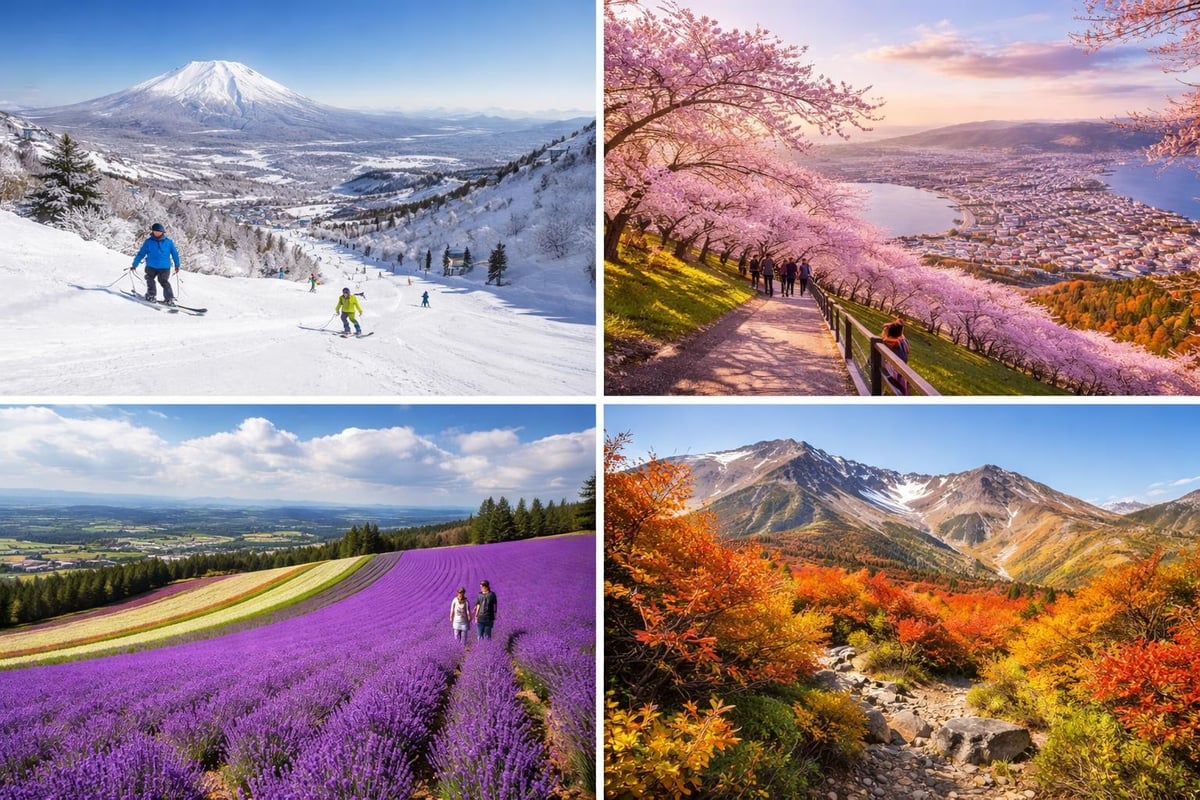
Winter (December-February) brings heavy snowfall and temperatures regularly dropping below freezing. Ski resorts like Niseko receive some of the world's finest powder snow, attracting winter sports enthusiasts globally. Spring (March-May) arrives later than mainland Japan, with cherry blossoms typically blooming in late April to early May. Summer (June-August) provides comfortable temperatures rarely exceeding 25°C, making it an ideal escape from Tokyo's heat and humidity. Autumn (September-November) paints the landscape in spectacular colors, with autumn foliage reaching peak beauty typically from late September through October.
Essential Destinations for Your Hokkaido Japan Tour
Planning a comprehensive hokkaido japan tour requires strategic destination selection based on your interests and available time. The following locations represent the island's most compelling experiences.
Sapporo: Urban Gateway and Cultural Hub
Sapporo serves as the ideal starting point for most visitors. Japan's fifth-largest city balances modern urban amenities with accessible natural attractions. The city gained international recognition hosting the 1972 Winter Olympics and continues attracting visitors with its annual Snow Festival each February.
Must-visit locations include:
- Odori Park: A 1.5-kilometer green space dividing the city center, hosting seasonal festivals
- Sapporo Beer Museum: Exploring Hokkaido's brewing heritage with tastings
- Mount Moiwa: Offering panoramic city views via ropeway, particularly stunning at sunset
- Susukino District: Northern Japan's largest entertainment quarter featuring restaurants and nightlife
The city's culinary scene deserves special attention. Sapporo ramen, particularly miso-based varieties, originated here and remains a local specialty. Soup Curry, another Sapporo invention, combines Indian-inspired spices with Japanese ingredients.
Furano and Biei: Agricultural Beauty
Central Hokkaido's agricultural heartland presents some of Japan's most photographed landscapes. During summer months, Furano's lavender fields create purple carpets stretching across rolling hills. Farm Tomita, the region's most famous lavender farm, attracts thousands of visitors from late June through early August.
Biei's patchwork hills showcase different crops creating natural color patterns across undulating terrain. The Hakka mint cycling route offers an immersive way to experience this agricultural beauty, connecting visitors with the region's mint-growing heritage while traversing scenic countryside.
Niseko: Winter Sports Paradise
Niseko has transformed into Japan's premier international ski destination, renowned for consistent powder snowfall averaging 14 meters annually. The resort area comprises four interconnected ski areas: Grand Hirafu, Hanazono, Niseko Village, and Annupuri.
Beyond skiing, Niseko offers:
- World-class onsen experiences with mountain views
- Year-round outdoor activities including rafting and mountain biking
- International dining scene reflecting diverse visitor demographics
- Luxury accommodation options from traditional ryokan to contemporary hotels
| Niseko Ski Area | Terrain Type | Best For | Lift Tickets (Day Pass) |
|---|---|---|---|
| Grand Hirafu | Varied, largest area | All levels | ¥7,200 |
| Hanazono | Parks and powder | Advanced/Freestyle | ¥6,500 |
| Niseko Village | Family-friendly | Beginners/Families | ¥6,800 |
| Annupuri | Powder, quieter | Intermediate | ¥5,500 |
Hakodate: Historic Port City
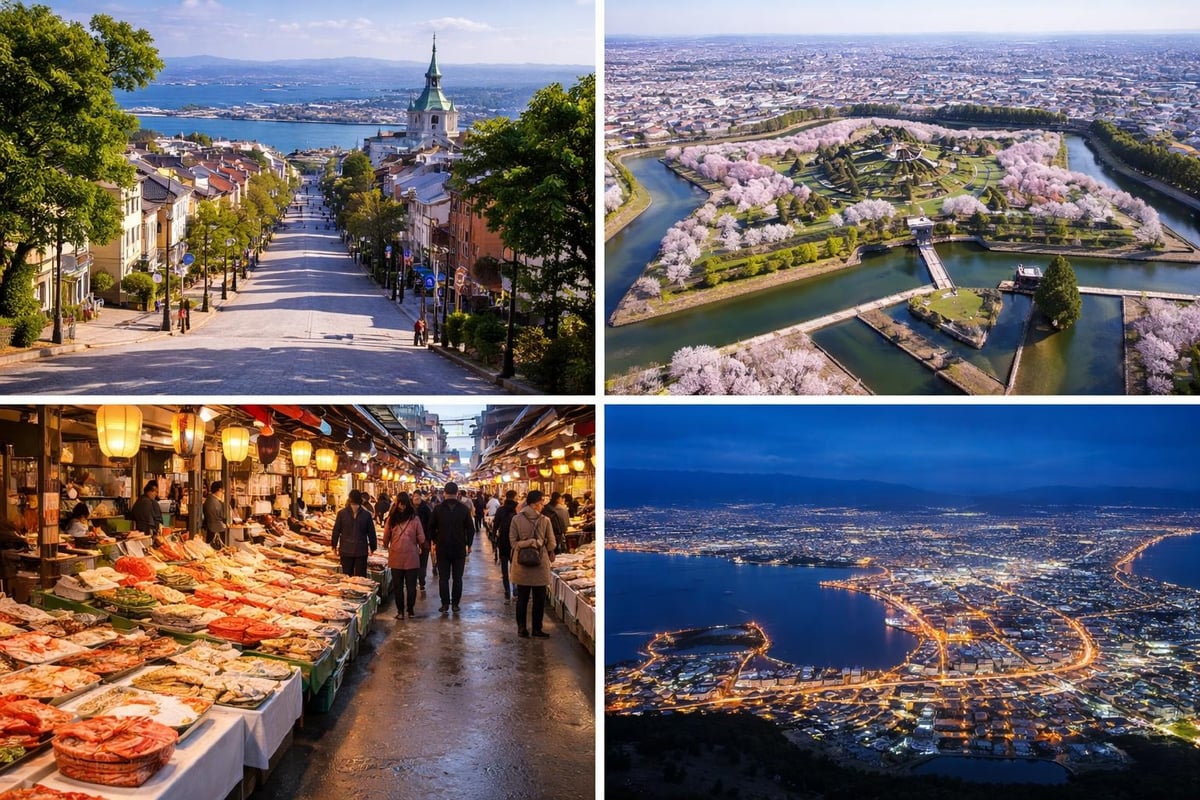
Southern Hokkaido's gateway city blends Japanese and Western architectural influences, reflecting its history as one of Japan's first ports opened to international trade in 1854. Mount Hakodate provides spectacular night views, consistently ranked among Japan's top three.
Historical attractions include the star-shaped Goryokaku Fort, built in 1866, and the atmospheric Motomachi district where Victorian-era buildings house museums, churches, and cafes. The morning market adjacent to JR Hakodate Station offers fresh seafood donburi (rice bowls) featuring sea urchin, salmon roe, and crab.
Planning Your Hokkaido Japan Tour Itinerary
Successful hokkaido japan tour planning requires realistic timeframe assessment and strategic routing. The island's size means distances between attractions often exceed expectations, particularly for visitors accustomed to Honshu's compact tourist circuits.
Recommended Durations by Interest
Winter Sports Focus (7-10 days): Base yourself in Niseko or other ski resorts, with day trips to Sapporo and Otaru. Include onsen experiences and winter festivals if timing aligns.
Summer Nature Tour (10-14 days): Combine Furano's flower fields, Daisetsuzan National Park hiking, Eastern Hokkaido wildlife viewing, and coastal experiences. This timeframe allows proper exploration without excessive rushing.
Comprehensive Cultural Journey (14-21 days): Cover multiple regions thoroughly, including lesser-visited northern areas, coastal routes, and sufficient time for spontaneous discoveries. This duration suits travelers seeking deep cultural immersion.
Transportation Strategies
Most visitors arrive via New Chitose Airport, located between Sapporo and Tomakomai. The JR Hokkaido Rail Pass offers excellent value for those planning multiple destinations, though rental cars provide greater flexibility, particularly for rural areas and national parks.
Rail advantages:
- Connects major cities efficiently
- No parking concerns in urban areas
- Scenic route experiences
- Weather-independent travel
Rental car advantages:
- Access to remote hot springs and trails
- Flexible scheduling and spontaneous stops
- Essential for Furano/Biei exploration
- Multiple passengers reduce per-person costs
Winter driving requires careful consideration. Snow and ice create challenging conditions for inexperienced drivers. Many visitors combine train travel between cities with rental cars for specific regions like Furano or Shiretoko.
Seasonal Highlights and Activities
Each season transforms a hokkaido japan tour into distinctly different experiences. Understanding these variations helps align your visit with personal interests.
Winter Wonders (December-February)
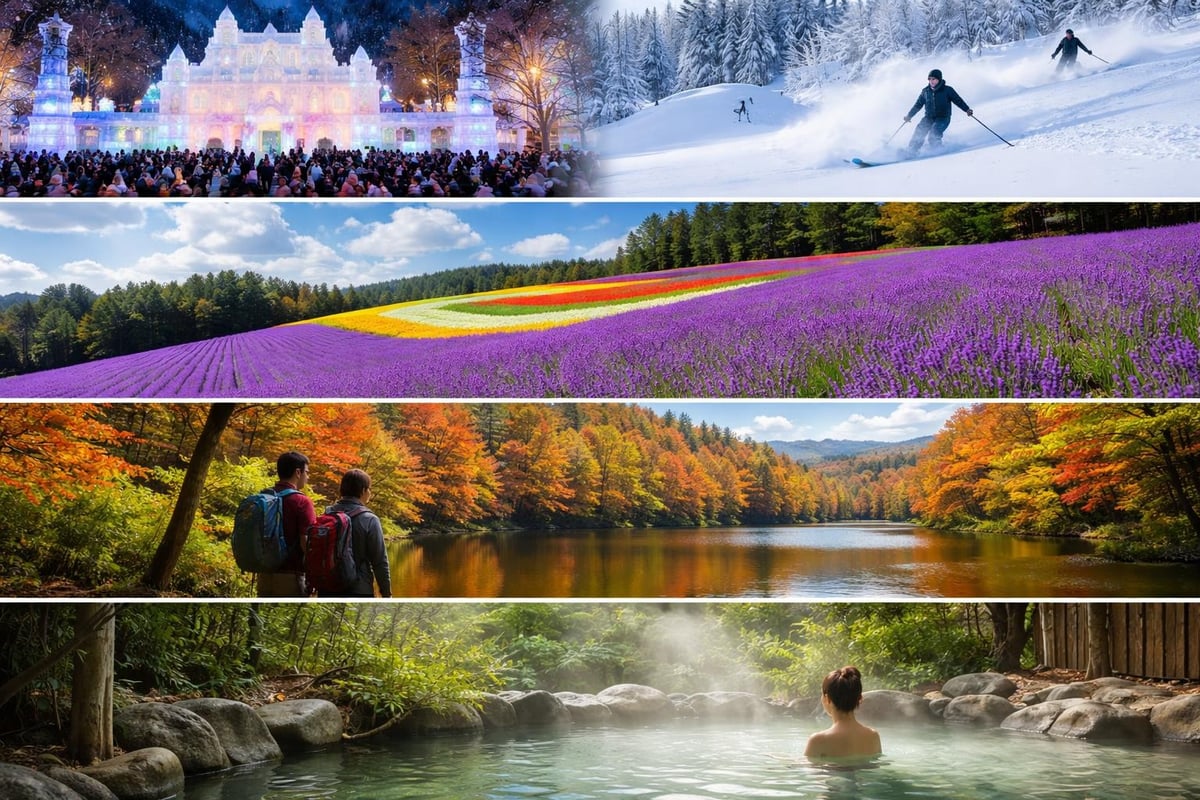
Beyond world-class skiing, winter brings unique experiences unavailable elsewhere in Japan. The Sapporo Snow Festival (early February) attracts over two million visitors annually, featuring massive snow sculptures throughout Odori Park and Susukino. Smaller winter events include Asahikawa's Winter Festival and Sounkyo Ice Fall Festival.
Winter activities extend beyond slopes:
- Ice fishing on frozen lakes for smelt and other species
- Drift ice tours along Hokkaido's northeastern coast (January-March)
- Winter hot spring bathing with snow-covered surroundings
- Wildlife photography featuring red-crowned cranes and Steller's sea eagles
- The Lake Shikotsu Ice Walk experience, where visitors can explore frozen lake surfaces with stunning ice formations
Spring Awakening (March-May)
Spring arrives gradually across Hokkaido, with significant regional variation. Hakodate's cherry blossoms bloom in early May, while northern areas may see blossoms into mid-May. This delayed timing offers opportunities for visitors who missed mainland Japan's earlier sakura season.
Golden Week (late April-early May) represents Japan's busiest travel period. Booking accommodations well in advance becomes essential, though Hokkaido generally experiences less crowding than Kyoto or Tokyo.
Summer Splendor (June-August)
Summer transforms Hokkaido into Japan's premier domestic destination, offering comfortable temperatures while mainland regions swelter. Lavender season peaks in mid-July, with Furano's farms creating iconic purple landscapes.
Eastern Hokkaido excels for wildlife encounters. Shiretoko National Park provides opportunities to observe brown bears, deer, and foxes, while coastal areas host diverse seabird populations. The Kushiro Marshlands, Japan's largest wetland, support numerous rare species including the endangered red-crowned crane.
| Summer Activity | Best Location | Optimal Timing | Difficulty Level |
|---|---|---|---|
| Lavender viewing | Furano | Mid-July | Easy |
| Hiking | Daisetsuzan NP | July-August | Moderate-Difficult |
| Wildlife watching | Shiretoko | June-August | Easy-Moderate |
| Cycling | Biei/Furano | June-September | Easy-Moderate |
| Sea kayaking | Shakotan Peninsula | July-August | Moderate |
Autumn Colors (September-November)
Hokkaido's autumn foliage season begins earlier than mainland Japan, typically starting in late September at higher elevations. Daisetsuzan National Park showcases the nation's first autumn colors annually, followed by lower elevations through October.
Popular autumn destinations include Lake Toya, Jozankei near Sapporo, and the scenic roads around Biei. Cool temperatures make hiking particularly enjoyable, with trails offering spectacular color displays without summer crowds.
Cultural Experiences and Local Cuisine
A hokkaido japan tour offers distinct cultural elements reflecting Ainu heritage, frontier settlement history, and contemporary agricultural innovation. These aspects differentiate Hokkaido from Japan's southern regions.
Ainu Culture and Heritage
The indigenous Ainu people inhabited Hokkaido for thousands of years before Japanese settlement intensified during the Meiji era. Today, cultural preservation efforts allow visitors to learn about traditional Ainu lifestyles, spiritual beliefs, and artistic traditions.
Akan Ainu Kotan near Lake Akan provides authentic cultural experiences including traditional dance performances, craft workshops, and museum exhibits. The Upopoy National Ainu Museum and Park in Shiraoi, opened in 2020, represents Japan's most comprehensive Ainu cultural facility, offering immersive exhibits and educational programs.
Culinary Excellence
Hokkaido's food culture centers on exceptional ingredients: dairy products, seafood, agricultural produce, and lamb. The region supplies much of Japan's milk, producing world-class cheese, butter, and ice cream. Coastal areas harvest premium seafood including sea urchin, salmon, crab, and scallops.
Regional specialties worth seeking:
- Jingisukan (Genghis Khan): Grilled lamb with vegetables, Hokkaido's signature meat dish
- Kaisendon: Seafood rice bowls featuring raw fish and shellfish
- Soup curry: Sapporo's spicy, broth-based curry creation
- Soft-serve ice cream: Found at farms and rest stops throughout agricultural regions
- Ishikari nabe: Salmon and vegetable hot pot with miso broth
Many hokkaido japan tour itineraries incorporate farm visits, allowing direct interaction with producers of cheese, wine, and other artisanal products.
Practical Considerations for Tour Planning
Successfully navigating Hokkaido requires understanding several practical aspects that differ from mainland Japan travel.
Accommodation Strategies
Hokkaido offers diverse lodging from luxury resorts to traditional ryokan and budget-friendly business hotels. Booking timing significantly impacts availability and pricing, particularly during peak seasons.
Winter (December-February): Reserve ski resort accommodations 3-6 months advance. Sapporo Snow Festival requires even earlier booking.
Summer (July-August): Domestic tourism peaks, particularly during Obon (mid-August). Furano lavender season demands advance reservations.
Shoulder seasons (May-June, September-November): Generally easier booking, better rates, and fewer crowds while maintaining pleasant weather.
Many rural areas offer farmstays and minshuku (family-run guesthouses) providing authentic local experiences at reasonable prices. Hot spring resorts range from luxurious establishments to simple public baths, accommodating various budgets.
Budget Planning
A hokkaido japan tour typically costs more than equivalent mainland Japan travel due to distances, seasonal pricing, and activity expenses. Daily budget considerations:
Budget traveler (¥8,000-12,000/day):
- Hostel or business hotel accommodation
- Convenience store and casual restaurant meals
- Public transportation or limited rental car use
- Free or low-cost attractions
Mid-range traveler (¥15,000-25,000/day):
- Comfortable hotel or entry-level ryokan
- Mix of casual and quality restaurants
- Rental car or rail pass flexibility
- Paid attractions and some activities
Luxury traveler (¥30,000+/day):
- Premium hotels or high-end ryokan
- Fine dining experiences
- Private guides or customized services
- All desired activities without budget constraints
Transportation represents a significant expense. Comprehensive travel guides provide detailed cost breakdowns and money-saving strategies for various travel styles.
Connecting with Nature: National Parks and Outdoor Adventures
Hokkaido's six national parks protect diverse ecosystems from volcanic landscapes to primeval forests. These protected areas offer some of Japan's finest wilderness experiences.
Daisetsuzan National Park
Japan's largest national park encompasses volcanic peaks, alpine meadows, and hot springs. The name translates to "Great Snowy Mountains," reflecting the dramatic terrain. Multi-day hiking routes traverse mountain ridges, while day hikes accommodate less experienced trekkers.
Popular trails include the Asahidake Ropeway route to alpine terrain and the scenic path between Sounkyo Onsen and Asahikawa. Autumn colors typically arrive in late September, attracting photographers and nature enthusiasts.
Shiretoko National Park
This UNESCO World Heritage Site occupies the northeastern peninsula, representing one of Japan's last true wilderness areas. Brown bears inhabit the park alongside deer, foxes, and numerous bird species.
Access requires careful planning. The park limits vehicle traffic on certain roads during summer, operating shuttle buses to minimize environmental impact. Boat tours from Utoro provide coastal perspectives, revealing waterfalls and wildlife inaccessible by land.
Akan-Mashu National Park
Located in eastern Hokkaido, this park features caldera lakes, active volcanoes, and boreal forests. Lake Mashu ranks among Japan's clearest lakes, often shrouded in mysterious fog. Lake Akan supports rare marimo (spherical algae balls) found in few locations worldwide.
The park combines natural beauty with cultural significance, hosting important Ainu communities and offering winter activities including ice fishing and snowshoeing.
Customizing Your Hokkaido Japan Tour Experience
While general travel resources provide excellent starting points, truly memorable journeys often require personalized planning that addresses individual interests, physical capabilities, and travel philosophies.
Special Interest Tours
Photography enthusiasts benefit from timing visits to coincide with specific subjects: winter wildlife, summer flowers, or autumn colors. Expert guides familiar with optimal shooting locations and lighting conditions dramatically improve results.
Food-focused travelers can design itineraries around farm visits, cooking classes, and restaurant reservations at establishments serving local specialties. Hokkaido's dairy farms, wineries, and seafood markets offer hands-on experiences beyond typical tourist activities.
Adventure seekers find abundant opportunities for hiking, cycling, kayaking, and winter sports. Multi-day trekking requires proper equipment and planning, while guided adventures provide safer access to challenging environments.
Family-Friendly Considerations
Hokkaido accommodates family travel well, offering attractions suitable for various ages. Theme parks like Rusutsu Resort combine outdoor activities with entertainment facilities. Farm visits allow children to interact with animals and learn about food production.
Winter family activities extend beyond skiing to include snow play areas, sledding, and indoor facilities at major resorts. Summer provides endless outdoor opportunities without the heat concerns affecting southern Japan.
Accessibility and Senior Travel
While some remote areas present accessibility challenges, major cities and popular attractions increasingly accommodate mobility-limited travelers. Sapporo's modern infrastructure includes wheelchair-accessible facilities, and many hotels offer barrier-free rooms.
Senior travelers often prefer slower-paced itineraries emphasizing scenic drives, cultural experiences, and comfortable accommodations over strenuous activities. Hot spring resorts with private baths provide relaxing bases for exploring surrounding regions.
Understanding Tourism Trends and Visitor Demographics
Research into visitor motivations reveals interesting patterns among international travelers to Hokkaido. Chinese visitors, who represent a significant portion of international arrivals, prioritize natural scenery, winter sports, and hot spring experiences. European and North American travelers often seek outdoor adventures and cultural authenticity.
These insights inform how specialized tour operators design experiences. Understanding that different nationalities emphasize distinct aspects of the hokkaido japan tour experience allows for better matching of itineraries to expectations.
Domestic Japanese tourism peaks during school holidays and Golden Week, while international visitors distribute more evenly throughout the year, with winter being particularly popular for Asian tourists seeking snow experiences unavailable in their home countries.
Expert Resources and Professional Guidance
Planning an optimal hokkaido japan tour benefits from professional expertise, particularly for first-time visitors or those with limited Japanese language skills. Specialized tour operators offering customized itineraries can arrange private guides, make restaurant reservations, and handle logistical complexities that might otherwise consume valuable vacation time.
Video guides and visual resources complement written information, providing perspective on distances, terrain, and seasonal conditions. These multimedia tools help set realistic expectations and inspire itinerary ideas based on actual experiences rather than promotional materials.
Local tourism boards provide current information on road conditions, attraction hours, and seasonal events. Checking these official resources closer to departure dates ensures itineraries reflect actual conditions rather than outdated planning assumptions.
Planning a hokkaido japan tour rewards careful research and thoughtful itinerary design, balancing iconic destinations with personal interests across this remarkably diverse region. The experiences awaiting you span from world-class powder skiing and summer flower fields to cultural heritage sites and culinary excellence that define northern Japan's distinct identity. Whether you're drawn to outdoor adventures, cultural immersion, or simply seeking Japan's finest natural beauty, TOURJAPAN specializes in creating bespoke Hokkaido journeys tailored to your specific interests, ensuring every moment reflects your travel dreams while handling the complexities that make the difference between a good trip and an extraordinary one.


