

Planning your first trip to Japan can feel overwhelming with countless destinations, cultural experiences, and logistical considerations to navigate. A well-structured japan itinerary for first timers balances iconic landmarks with authentic cultural encounters, ensuring you experience the essence of this remarkable country without rushing through its treasures. Whether you have seven days or two weeks, creating a thoughtful itinerary that combines major cities with natural wonders and traditional experiences will transform your first Japanese adventure into an unforgettable journey.
Understanding the Ideal Duration for Your First Japan Trip
Most travel specialists recommend 10 to 14 days as the optimal timeframe for a first-time visit to Japan. This duration provides adequate time to explore multiple regions without feeling rushed, allowing for deeper cultural immersion and spontaneous discoveries along the way.
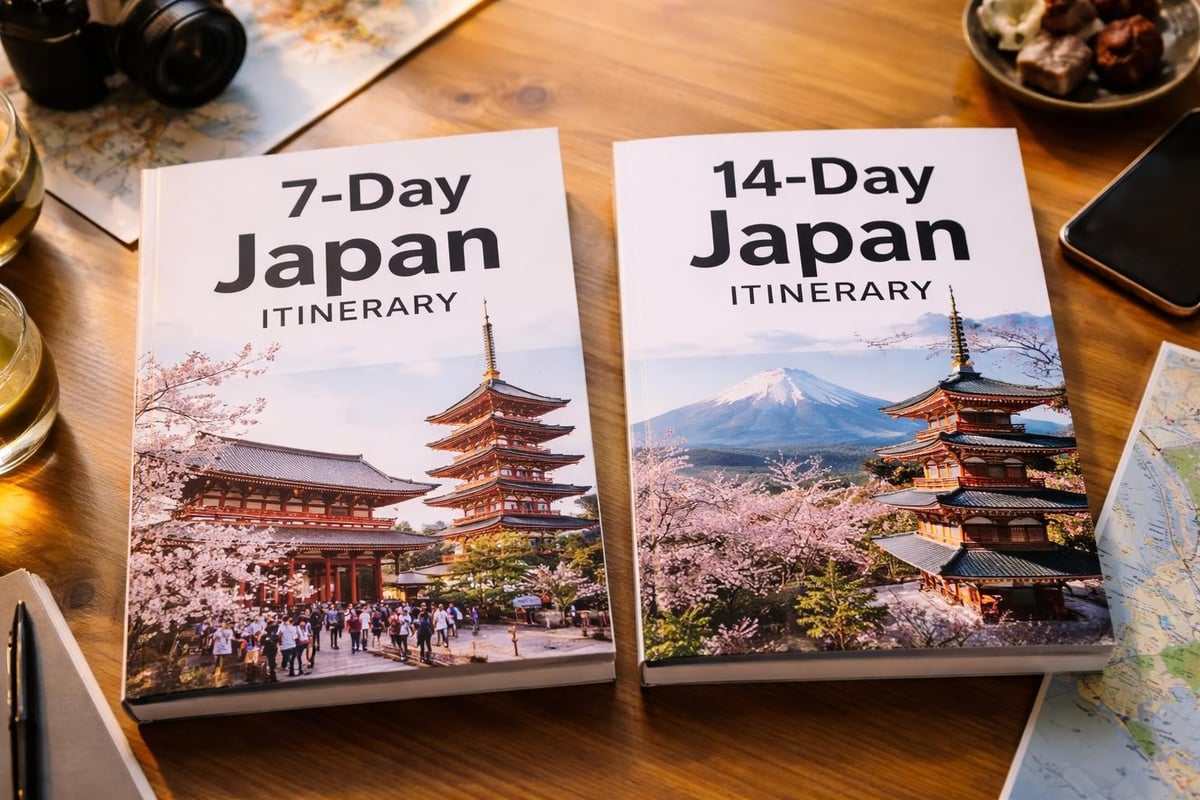
A seven-day japan itinerary for first timers can work effectively if you focus on a single region, typically the classic Tokyo-Kyoto corridor. However, extending your stay to two weeks enables you to venture beyond the main tourist circuit and discover hidden gems that reveal Japan's diverse character.
Factoring in Jet Lag and Travel Pace
International travelers arriving from North America or Europe should account for significant time zone differences when planning their itinerary. Building in a buffer day at the beginning allows your body to adjust and ensures you're fully present for the experiences ahead.
Consider your preferred travel pace when designing your schedule. Some travelers thrive on packed days filled with activities, while others prefer a more leisurely approach with downtime for wandering neighborhoods and discovering local cafes. A balanced itinerary structure prevents burnout and creates space for serendipitous moments.
Essential Destinations for First-Time Visitors
The foundation of any japan itinerary for first timers typically includes three cornerstone destinations that represent different facets of Japanese culture and history. These locations provide comprehensive exposure to both traditional and contemporary Japan.
Tokyo: Modern Energy and Traditional Pockets
Japan's capital deserves three to four full days minimum in your itinerary. Tokyo blends cutting-edge technology, world-class dining, and pockets of traditional culture within a sprawling metropolis.
Must-experience Tokyo activities include:
- Exploring the neon-lit streets of Shibuya and witnessing the famous scramble crossing
- Visiting ancient Senso-ji Temple in Asakusa for traditional atmosphere
- Experiencing the controlled chaos of Tsukiji Outer Market for breakfast
- Wandering through tranquil Meiji Shrine surrounded by forest
- Shopping in Harajuku for youth fashion and people-watching
The Shinjuku district offers contrasts between serene parks and vibrant nightlife, while neighborhoods like Yanaka preserve old Tokyo's charm with traditional wooden houses and quiet temples.
Kyoto: Cultural Heart and Temples
Former imperial capital Kyoto requires three to four days to adequately explore its temple treasures and traditional districts. This city represents the soul of classical Japan with over 2,000 temples and shrines.
Priority Kyoto experiences feature the golden brilliance of Kinkaku-ji Temple, the thousands of vermillion torii gates at Fushimi Inari Shrine, and the serene rock gardens of Ryoan-ji. The Arashiyama bamboo grove provides an otherworldly natural experience, while the Gion district offers glimpses of geiko and maiko culture.
| Destination | Recommended Days | Key Highlights | Best For |
|---|---|---|---|
| Tokyo | 3-4 days | Modern culture, temples, markets | Urban exploration |
| Kyoto | 3-4 days | Traditional temples, gardens | Cultural immersion |
| Osaka | 1-2 days | Street food, nightlife | Culinary adventures |
| Hakone/Mt. Fuji | 1-2 days | Nature, hot springs | Scenic relaxation |
Osaka: Culinary Capital and Vibrant Streets
Allocate one to two days for Osaka, Japan's kitchen and a city with infectious energy. The food culture here differs from Tokyo's refinement, offering hearty street food and unpretentious dining experiences.
Dotonbori's neon-lit canal represents Osaka's vibrant personality, while Osaka Castle provides historical context. The city serves as an excellent base for day trips to nearby Nara to visit friendly deer and massive temples or to Himeji to tour Japan's most spectacular feudal castle.
Strategic Transportation Planning
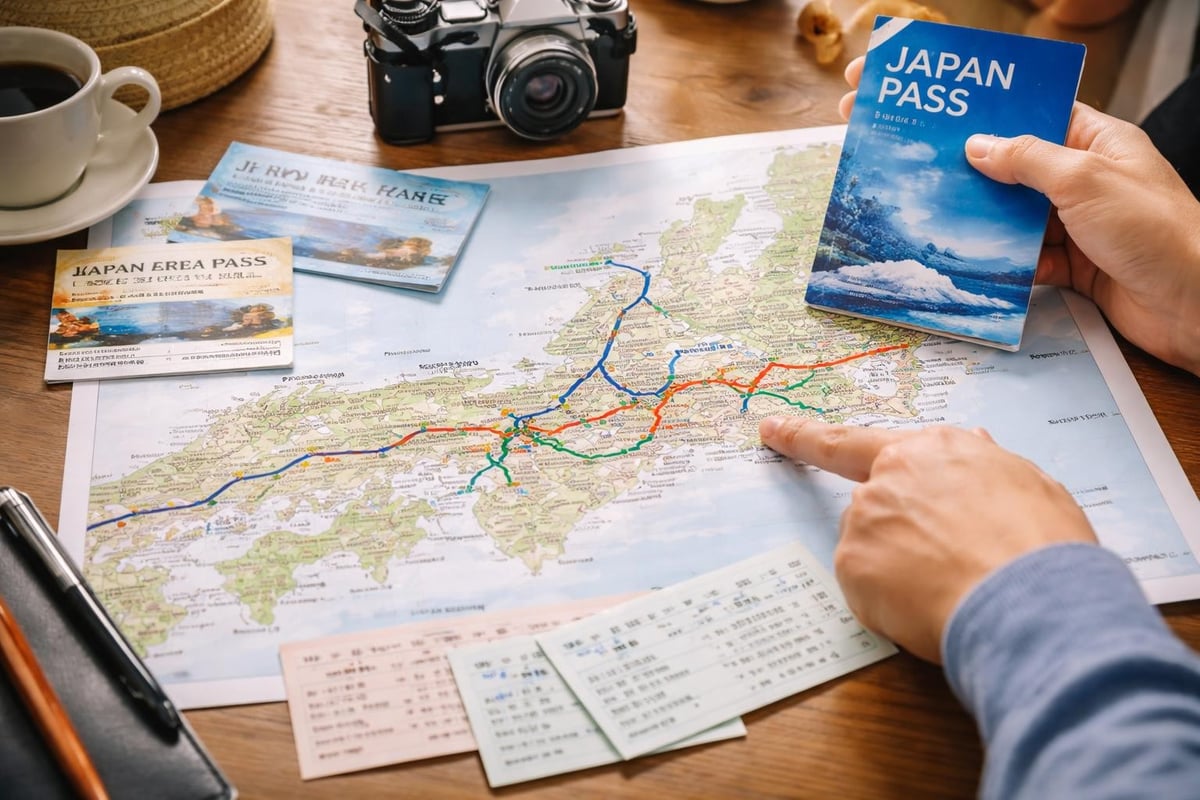
Japan's legendary rail system forms the backbone of most itineraries, though understanding recent changes helps optimize both budget and convenience. The iconic Japan Rail Pass underwent significant price increases in 2024, making strategic planning essential for cost-effectiveness.
Evaluating the Japan Rail Pass Value
The seven-day ordinary JR Pass now costs approximately ¥50,000 (around $340), while the 14-day pass reaches ¥80,000 (approximately $545). Calculate whether your specific route justifies this investment by pricing individual tickets for your planned journeys.
A detailed transportation analysis shows the pass makes financial sense for travelers making multiple long-distance trips, particularly the expensive Tokyo-Kyoto shinkansen route. However, travelers staying primarily in one region might save money with individual tickets and regional passes.
Alternatives to the full JR Pass include:
- Regional passes covering specific areas like Kansai or Hokuriku
- Purchasing individual shinkansen tickets for major routes
- Using discount ticket shops for non-reserved seats
- Combining local subway passes with occasional long-distance tickets
Mastering Local Transportation
Each major city operates extensive subway and bus networks that require separate navigation strategies. Purchase IC cards like Suica or Pasmo early in your trip for seamless travel across most transit systems nationwide.
Google Maps provides accurate real-time transit directions in Japan, though downloading offline maps ensures connectivity during underground travel. Station signage includes English in major cities, making navigation manageable even with minimal Japanese language skills.
Crafting Your Week-by-Week Schedule
The structure of your japan itinerary for first timers should flow logically between destinations while allowing flexibility for weather, energy levels, and spontaneous discoveries. Most travelers find success following either a linear route or hub-based exploration.
The Classic 10-Day First Timer Route
This foundational itinerary covers essential destinations without overwhelming your schedule:
Days 1-3: Tokyo Arrival and Exploration
Arrive in Tokyo and spend your first afternoon adjusting to the time zone with light neighborhood exploration. Dedicate the following two full days to major districts, temples, and cultural experiences. Consider booking a tailored private tour for your first day to orient yourself efficiently.
Days 4-5: Hakone or Mt. Fuji Day Trip
Journey to the Hakone region for dramatic mountain scenery, therapeutic hot springs, and potential Mt. Fuji views. Spend one night at a traditional ryokan to experience Japanese hospitality and kaiseki dining. Return to Tokyo or proceed directly to Kyoto via shinkansen.
Days 6-8: Kyoto Temple and Garden Circuit
Base yourself in Kyoto for three nights to explore major temples, participate in a tea ceremony, and discover traditional crafts. Structure your days geographically to minimize transit time between sites.
Days 9-10: Osaka and Departure
Conclude with one or two days experiencing Osaka's food scene and vibrant atmosphere before departing from Kansai International Airport. This routing eliminates the need to return to Tokyo for your flight.
Extending to Two Weeks
A comprehensive two-week japan itinerary for first timers allows for deeper regional exploration and additional destinations. Consider adding Nara for its ancient temples and famous deer park, Hiroshima for profound historical sites and the nearby island shrine of Miyajima, or Takayama for beautifully preserved old town streets and mountain culture.
The extra week permits slower pacing with more unstructured exploration time. Many travelers discover their favorite Japan moments during these unplanned intervals, wandering residential neighborhoods, stumbling upon local festivals, or lingering in neighborhood cafes.
Cultural Experiences Worth Prioritizing
Beyond landmark attractions, authentic cultural encounters transform a standard tour into meaningful connection with Japanese traditions. Building these experiences into your japan itinerary for first timers creates lasting memories and deeper understanding.
Traditional Accommodation Experiences
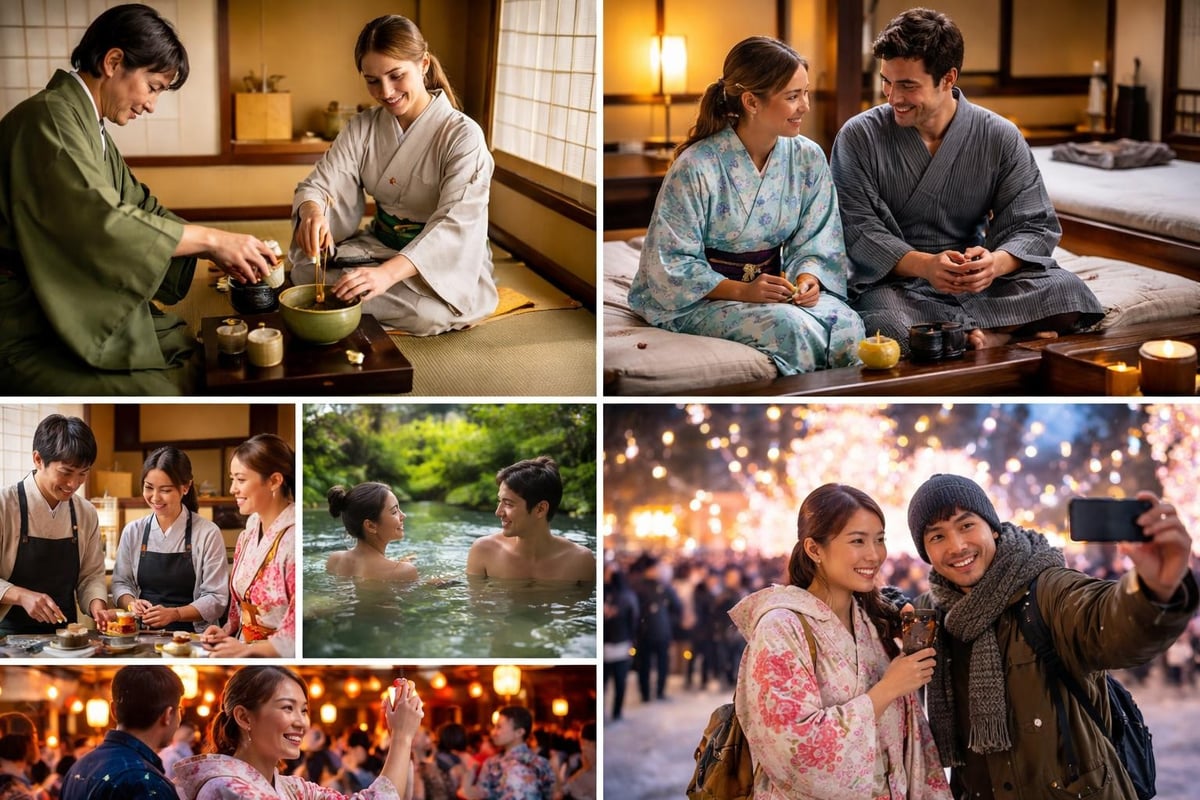
Spending at least one night in a ryokan (traditional inn) ranks among the most memorable aspects of visiting Japan. These establishments offer tatami mat rooms, communal or private onsen (hot spring baths), and elaborate multi-course kaiseki dinners showcasing seasonal ingredients.
Hakone, the Kiso Valley, and areas around Kyoto offer excellent ryokan options at various price points. The ritual of bathing in natural hot springs after a day of exploration provides profound relaxation and cultural insight into Japanese wellness traditions.
Hands-On Cultural Activities
Recommended cultural experiences include:
- Participating in a traditional tea ceremony to understand Japanese aesthetics and hospitality
- Taking a sushi-making or ramen-cooking class for culinary skills and cultural knowledge
- Visiting a local sake brewery for tasting and production insights
- Arranging a morning at Tsukiji Outer Market with a guide who explains ingredients and food culture
- Experiencing a sumo wrestling tournament if your timing aligns with the Tokyo, Osaka, or Nagoya schedules
These interactive experiences provide context that transforms sightseeing into genuine cultural exchange. Many travelers find specialized cultural itineraries help balance famous landmarks with these deeper encounters.
Seasonal Considerations and Timing
Japan's distinct seasons dramatically influence both your experience and logistical planning. Each season offers unique advantages for first-time visitors, though spring and autumn attract the largest crowds.
Cherry Blossom Season (Late March – Early April)
Spring's famous cherry blossoms create magical scenery but also peak prices and crowds. If visiting during this window, book accommodations months in advance and expect popular sites to be extremely busy. The blooming schedule varies by region, with southern areas flowering earlier than northern destinations.
Summer Festival Season (June – August)
Summer brings humidity and heat but also spectacular festivals throughout the country. The rainy season in June creates lush greenery, while July and August feature fireworks displays and traditional celebrations. Mountain areas and northern Hokkaido provide cooler alternatives during peak summer heat.
Autumn Foliage (November – Early December)
Many consider autumn the ideal season for a japan itinerary for first timers. Comfortable temperatures combine with spectacular fall colors transforming temple gardens into artistic masterpieces. Similar to spring, popular destinations experience heavy visitation during peak foliage periods.
Winter Wonderland (December – February)
Winter offers the best value for budget-conscious travelers with lower accommodation costs and fewer tourists. While temperatures drop, Japan's winter remains generally mild in urban areas. This season excels for hot spring experiences, winter illuminations, and skiing in regions like Nagano and Hokkaido.
Practical Budget Planning
Understanding realistic costs helps create a sustainable japan itinerary for first timers that balances experiences with financial constraints. Japan's reputation for expense is partially deserved, though strategic choices significantly impact overall spending.
| Budget Category | Budget Range | Mid-Range | Luxury |
|---|---|---|---|
| Daily accommodation | $30-60 | $100-200 | $300+ |
| Meals per day | $25-40 | $60-100 | $150+ |
| Transportation (with JR Pass) | $35/day | $35/day | $35/day + taxis |
| Activities & entrance fees | $10-20 | $30-50 | $100+ |
| Daily Total | $100-155 | $225-385 | $585+ |
Money-Saving Strategies Without Sacrificing Experience
Convenience store meals in Japan offer remarkable quality at fraction of restaurant costs. Family restaurants provide affordable set meals, while standing sushi bars deliver authentic experiences without high-end pricing.
Free activities abound throughout Japan, from temple grounds and shrine visits to public gardens and neighborhood exploration. Many museums offer free admission days, while hiking trails and natural areas rarely charge entrance fees.
Navigating Language and Cultural Etiquette
English proficiency varies significantly across Japan, with major tourist areas offering more support than rural regions. However, most first-time visitors navigate successfully with basic preparation and respectful attitudes.
Essential Japanese Phrases and Tools
Learning basic phrases like "arigatou gozaimasu" (thank you), "sumimasen" (excuse me), and "gochisousama deshita" (thank you for the meal) demonstrates respect and often elicits warm responses. Translation apps provide backup communication, though pointing at menu pictures and using gestures works surprisingly well.
Key etiquette points include:
- Removing shoes when entering homes, some restaurants, and temple buildings
- Being quiet on trains and avoiding phone conversations
- Never sticking chopsticks upright in rice
- Using both hands when exchanging business cards or receiving items
- Avoiding eating while walking in most situations
Working with Private Guides
Engaging knowledgeable guides transforms complex cultural contexts into accessible understanding. A comprehensive 10-day itinerary often benefits from selective guide use during temple visits, market tours, or cultural activities where context dramatically enhances appreciation.
Private guides provide flexibility impossible with group tours, adapting to your interests and energy levels while offering insider knowledge about optimal timing and hidden gems. This personalized approach proves especially valuable for first-time visitors navigating cultural nuances.
Day Trip Options from Major Cities
Strategic day trips extend your japan itinerary for first timers beyond primary cities while maintaining accommodation bases. These excursions provide variety without constant packing and hotel changes.
Tokyo Day Trip Possibilities
Nikko's ornate shrines and natural beauty lie just two hours north of Tokyo, offering mountain scenery and UNESCO World Heritage sites. Kamakura's giant Buddha statue and beachside temples create a relaxing coastal contrast to Tokyo's intensity.
Kyoto's Surrounding Treasures
Nara makes an effortless day trip from Kyoto, featuring friendly deer roaming freely among ancient temples. Uji specializes in matcha tea culture with historic temples and tea houses. The mountainside temple complex of Koyasan provides spiritual depth for those interested in Buddhist culture.
Osaka's Gateway Access
From Osaka, reach Himeji Castle within an hour to tour Japan's most magnificent original castle. Kobe offers sophisticated dining and harbor views, while the sacred Mount Koya provides overnight temple stay opportunities.
Accommodation Strategy and Booking Timing
Securing quality accommodations requires early booking, particularly during peak seasons. Your lodging choices significantly impact both budget and cultural immersion opportunities.
Neighborhood Selection Matters
In Tokyo, staying in Shinjuku provides excellent transport access and dining variety, while Asakusa offers traditional atmosphere with slightly lower costs. Shibuya suits younger travelers seeking nightlife proximity.
Kyoto accommodation near Gion or along the Philosopher's Path places you within walking distance of major temples. Consider locations near subway stations for efficient daily exploration.
Alternative Accommodation Types
Beyond standard hotels, capsule hotels offer budget-friendly uniqueness, though limited space suits only minimal baggage travelers. Serviced apartments provide space and cooking facilities for longer stays or families. Traditional minshuku (family-run guesthouses) create intimate cultural exchanges at moderate prices.
Many first-timer itineraries recommend mixing accommodation types to experience different aspects of Japanese hospitality culture.
Connectivity and Staying Connected
Reliable internet access proves essential for navigation, translation, and sharing experiences. Several options provide connectivity throughout your japan itinerary for first timers.
Pocket WiFi Versus SIM Cards
Renting a pocket WiFi device allows multiple devices to share one connection, making it ideal for traveling companions. These devices require daily charging but deliver unlimited data for reasonable daily rates.
Prepaid SIM cards suit solo travelers with unlocked smartphones, offering comparable data at potentially lower costs. Airport kiosks provide both options immediately upon arrival, though advance booking often saves money.
Food Navigation for First-Timers
Japanese cuisine extends far beyond sushi and ramen, offering regional specialties and seasonal delicacies that warrant exploration. Understanding food culture enhances every meal from convenience stores to high-end kaiseki.
Essential Food Experiences
Your culinary journey should include:
- Fresh sushi at a conveyor belt restaurant for casual introduction
- Rich tonkotsu ramen in Fukuoka or shoyu ramen in Tokyo
- Osaka's takoyaki and okonomiyaki street food
- Traditional kaiseki multi-course dinner at a ryokan
- Matcha desserts and tea in Kyoto's traditional tea houses
Food allergies and dietary restrictions require advance preparation, as vegetarian and vegan options remain limited outside major cities. Restaurant cards explaining restrictions in Japanese prove invaluable for communicating needs.
Packing Essentials and Practical Preparations
Thoughtful packing prevents stress and allows flexibility throughout your travels. Japan's efficient infrastructure means you can purchase forgotten items easily, though some preparations optimize your experience.
Cash remains important despite increasing credit card acceptance. Many smaller restaurants, temples, and shops operate cash-only. Carry sufficient yen and locate 7-Eleven ATMs that reliably accept international cards.
Comfortable walking shoes prove essential as Japanese cities reward exploration on foot. Slip-on shoes simplify frequent removal when entering temples and traditional establishments. Modest layers work for temple visits and varying indoor temperatures.
Making the Most of Limited Time
Even condensed itineraries can deliver meaningful Japan experiences through strategic prioritization. Focus on quality over quantity, allowing adequate time at fewer destinations rather than rushing through extended checklists.
Early starts maximize daylight hours and avoid midday crowds at popular attractions. Many temples open at sunrise, providing serene experiences before tour groups arrive. Evening explorations reveal different neighborhood characters as locals finish work and dining districts come alive.
Building flexibility into your schedule permits weather-dependent decisions and spontaneous opportunities. Some travelers' favorite memories emerge from unplanned conversations, chance festival encounters, or recommended restaurants discovered through local suggestions.
Creating your perfect japan itinerary for first timers balances iconic destinations with authentic cultural encounters, practical logistics with spontaneous discoveries, and ambitious exploration with sustainable pacing. The careful planning you invest before departure pays dividends through smoother navigation, deeper cultural understanding, and more meaningful connections throughout your journey. TOURJAPAN specializes in crafting personalized itineraries that align with your specific interests, travel style, and schedule, ensuring your first Japan adventure exceeds expectations while handling complex logistics with expertise. Whether you need comprehensive trip planning or selective private guide services for key experiences, working with Japan specialists transforms good itineraries into extraordinary journeys.


