

Japan stands as one of the world's most compelling travel destinations, offering an extraordinary blend of ancient traditions and cutting-edge innovation. From the snow-capped peaks of Hokkaido to the subtropical beaches of Okinawa, the archipelago presents diverse landscapes and cultural treasures that captivate millions of visitors annually. Understanding the essential japan tour sites and how to experience them authentically transforms a standard vacation into an unforgettable journey through one of Asia's most fascinating countries.
Ancient Capitals and Cultural Heritage
Kyoto's Timeless Appeal
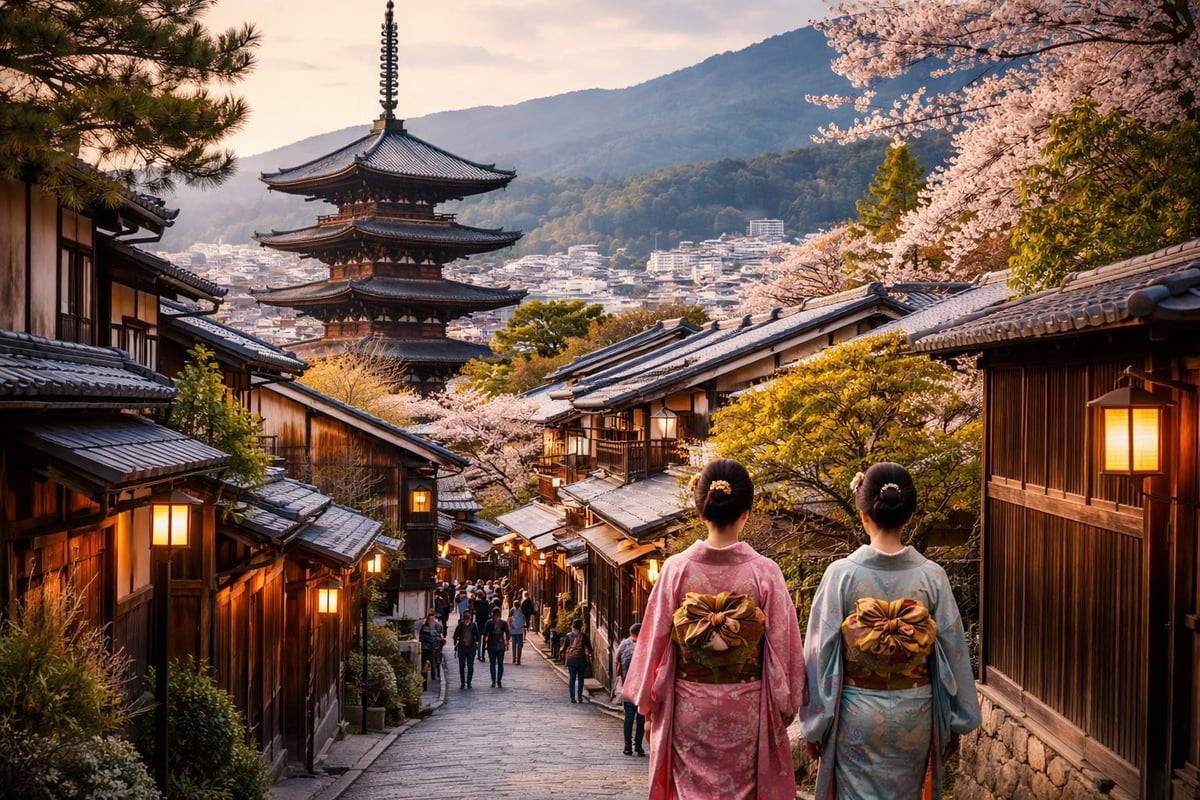
Kyoto represents the spiritual and cultural heart of Japan, housing over 2,000 temples, shrines, and traditional structures. The city served as Japan's imperial capital for more than a thousand years, and its preservation of historical architecture remains unparalleled. Kinkaku-ji, the Golden Pavilion, stands as one of the most photographed japan tour sites, with its gold-leaf exterior reflecting brilliantly across the surrounding pond.
Beyond the famous landmarks, Kyoto rewards travelers who venture into lesser-known districts. The hidden gems of Kyoto include the Katsura Imperial Villa, showcasing classical Japanese garden design, and the atmospheric Kurama to Kibune mountain trail. These locations provide intimate encounters with Japanese aesthetics away from crowded tourist corridors.
Key Kyoto experiences include:
- Exploring the bamboo groves of Arashiyama at dawn
- Participating in a traditional tea ceremony in Gion district
- Walking through Fushimi Inari's thousands of vermillion torii gates
- Experiencing kaiseki dining in a historic machiya townhouse
Nara's Sacred Deer and Ancient Monuments
Nara predates Kyoto as Japan's capital, and its compact city center contains some of the nation's oldest and most significant structures. Todai-ji Temple houses a massive bronze Buddha statue, while Kasuga Taisha shrine features hundreds of bronze and stone lanterns donated over centuries. The free-roaming deer population, considered sacred messengers of the gods, creates a unique atmosphere as they bow to visitors offering special deer crackers.
The peaceful setting of Nara makes it an essential addition to any itinerary focused on japan tour sites with historical significance. The city's walkable layout allows visitors to experience multiple UNESCO World Heritage locations within a single day.
Natural Wonders and Scenic Landscapes
Mount Fuji and the Five Lakes Region
Japan's iconic volcanic peak dominates the landscape southwest of Tokyo, visible on clear days from the capital itself. The Mount Fuji area encompasses far more than the summit climb, with the Five Lakes region offering year-round activities and breathtaking perspectives of the mountain. Lake Kawaguchi provides particularly stunning reflection views, especially during cherry blossom season and autumn foliage periods.
The volcanic landscape includes fascinating geological formations like the Narusawa Ice Cave, where massive ice pillars form year-round within ancient lava tubes. These natural wonders add scientific interest to the region's aesthetic appeal.
| Season | Best Activities | Weather Conditions |
|---|---|---|
| Spring (March-May) | Cherry blossom viewing, hiking lower trails | Mild, occasional rain |
| Summer (June-August) | Summit climbing (July-September only) | Warm, crowded peak season |
| Autumn (September-November) | Fall foliage photography, lake activities | Cool, clear skies |
| Winter (December-February) | Snow sports, hot spring bathing | Cold, snow at elevation |
Japanese Alps and Mountain Villages
The central mountain ranges of Japan offer dramatically different scenery from coastal regions. Takayama preserves Edo-period merchant houses and traditional crafts, while nearby Shirakawa-go showcases unique gassho-zukuri farmhouses with steep thatched roofs designed to withstand heavy snowfall. These unesco-listed villages represent some of the most photogenic japan tour sites available.
Mountain region highlights:
- Kamikochi's pristine river valley and hiking trails
- Matsumoto Castle, one of Japan's finest original fortifications
- Jigokudani Monkey Park's snow monkeys bathing in hot springs
- Traditional onsen towns like Kusatsu and Hakone
The Japan Alps provide exceptional opportunities for both summer hiking and winter skiing, with world-class resorts attracting international visitors throughout the year.
Urban Experiences and Modern Attractions
Tokyo's Diverse Neighborhoods
Japan's capital defies simple categorization, as each district presents distinct character and attractions. Shibuya and Shinjuku represent modern Tokyo's frenetic energy, while Asakusa preserves traditional atmosphere around Senso-ji Temple. Harajuku showcases youth culture and fashion, Akihabara caters to technology and anime enthusiasts, and Ginza offers luxury shopping and fine dining.
The city's extensive rail network makes navigating between these diverse areas remarkably efficient. Understanding Tokyo's neighborhood structure allows visitors to craft itineraries matching specific interests, whether seeking cutting-edge technology, traditional culture, or contemporary art scenes.
Tokyo's position among essential japan tour sites extends beyond individual landmarks to encompass the entire urban experience. The combination of exceptional public transportation, world-class restaurants, innovative architecture, and cultural institutions creates an unmatched metropolitan environment.
Osaka's Culinary Paradise
Western Japan's largest city earned the nickname "Japan's kitchen" through its exceptional food culture. Dotonbori district pulses with energy day and night, featuring enormous illuminated signs and countless restaurants specializing in local favorites like okonomiyaki and takoyaki. Osaka Castle provides historical context within the modern cityscape, while the Shinsekai district preserves nostalgic Showa-era atmosphere.
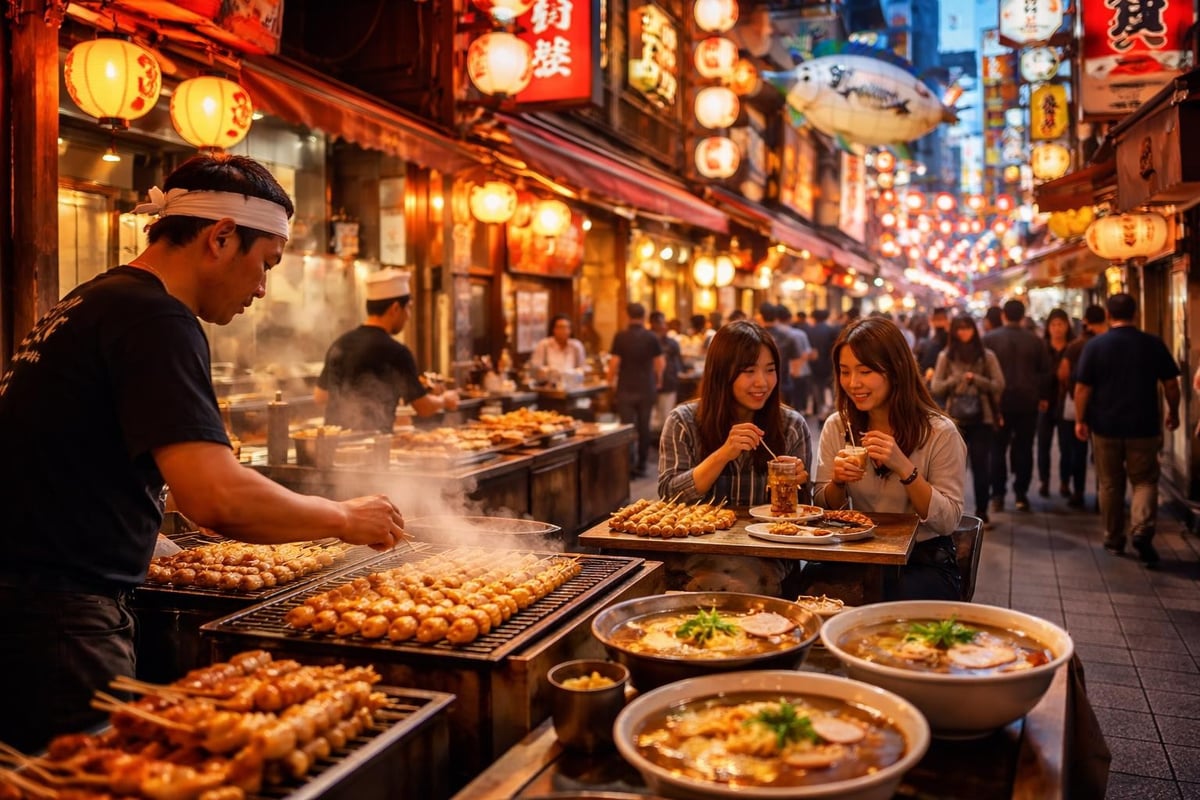
The city serves as an excellent base for exploring the Kansai region, with Kyoto, Nara, and Kobe all accessible within an hour by train. This strategic location makes Osaka particularly valuable for travelers maximizing their time across multiple japan tour sites.
Coastal Beauty and Island Destinations
Hiroshima and Miyajima Island
Hiroshima carries profound historical significance while demonstrating remarkable resilience and renewal. The Peace Memorial Park and Museum provide essential context for understanding 20th-century history, presented with dignity and hope for future peace. The nearby island of Miyajima, accessible by short ferry, presents a completely different atmosphere with its famous floating torii gate at Itsukushima Shrine.
Miyajima's combination of spiritual significance, natural beauty, and friendly deer population makes it one of Japan's most beloved destinations. The island offers hiking trails leading to Mount Misen's summit, providing panoramic views across the Seto Inland Sea.
Okinawa's Tropical Character
Japan's southernmost prefecture presents cultural and climatic conditions distinct from the main islands. Okinawan traditions reflect historical connections to Southeast Asia and unique Ryukyu Kingdom heritage. Crystal-clear waters, coral reefs, and white-sand beaches create tropical paradise conditions rarely associated with Japan.
Okinawa special features:
- Exceptional diving and snorkeling in pristine coral ecosystems
- Unique cuisine incorporating tropical ingredients and distinctive flavors
- Shuri Castle and Ryukyu cultural sites (under reconstruction after 2019 fire)
- Laid-back island atmosphere contrasting with mainland Japanese culture
The prefecture's island geography spreads attractions across multiple locations, rewarding visitors with time to explore beyond the main island of Okinawa Honto.
Historical Fortifications and Gardens
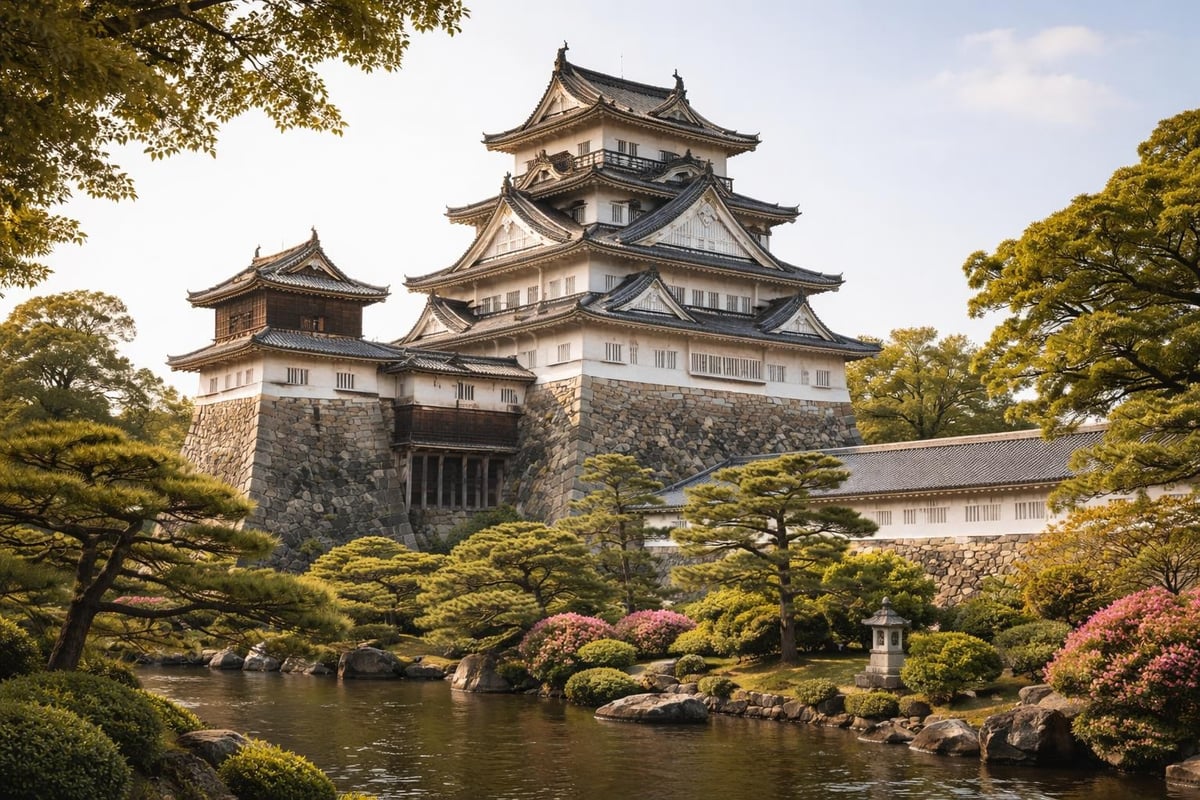
Japanese castle architecture evolved significantly during the feudal period, resulting in magnificent defensive structures that now rank among the country's premier japan tour sites. Himeji Castle stands as the finest surviving example, with its pristine white exterior earning the nickname "White Heron Castle." The complex defensive systems, including maze-like approaches and hidden defensive positions, demonstrate sophisticated military engineering.
Other notable castles include Matsumoto's striking black walls, Kumamoto's impressive stone fortifications, and Nagoya's recent wooden reconstruction of the main keep. Each structure tells stories of regional lords, military conflicts, and the eventual peaceful Edo period when many castles transformed into administrative centers.
| Castle | Prefecture | Special Features | Best Viewing Season |
|---|---|---|---|
| Himeji | Hyogo | Original construction, white walls | Spring (cherry blossoms) |
| Matsumoto | Nagano | Black exterior, mountain backdrop | Autumn (fall colors) |
| Osaka | Osaka | Modern reconstruction, city views | Year-round |
| Kumamoto | Kumamoto | Massive stone walls, earthquake damage restoration | Spring |
Japanese garden design represents a refined art form balancing natural elements with human intervention. Kenroku-en in Kanazawa, Korakuen in Okayama, and Kairakuen in Mito constitute the "Three Great Gardens of Japan," each demonstrating different aesthetic principles and seasonal transformations.
Regional Specialties and Local Discoveries
Hokkaido's Northern Frontier
Japan's northernmost island offers distinct seasonal experiences and regional character. Sapporo hosts the famous Snow Festival each February, while Hakodate provides historical port atmosphere and exceptional seafood. The island's agricultural products, particularly dairy and produce, earned national recognition for quality and flavor.
Summer lavender fields in Furano create purple landscapes rivaling European destinations, while autumn brings spectacular fall colors across mountain ranges. Winter transforms Hokkaido into a snowy wonderland, with powder snow attracting skiers from across Asia to resorts like Niseko.
Kanazawa's Preserved Beauty
This coastal city escaped wartime destruction, preserving traditional districts that provide authentic glimpses into Edo-period Japan. The Higashi Chaya geisha district maintains historic teahouses, while Nagamachi samurai district features former warrior residences with earthen walls and private gardens. Kanazawa's position among essential japan tour sites stems from this remarkable preservation combined with active craft traditions in gold leaf, lacquerware, and pottery.
The 21st Century Museum of Contemporary Art demonstrates Kanazawa's embrace of modern culture alongside traditional preservation. This balance between past and present creates particularly rich experiences for culturally-minded travelers.
Transportation and Accessibility
Japan's exceptional transportation infrastructure makes visiting multiple japan tour sites remarkably efficient. The shinkansen bullet train network connects major cities at speeds exceeding 300 kilometers per hour, while maintaining legendary punctuality and comfort. The Japan Rail Pass offers excellent value for international visitors planning extensive travel across the country.
Regional train lines, buses, and domestic flights provide access to more remote destinations. Many visitors underestimate Japan's geographical size and diversity, making strategic transportation planning essential for maximizing limited vacation time.
Transportation planning tips:
- Purchase Japan Rail Pass before arriving in Japan for maximum savings
- Reserve seats on popular shinkansen routes during peak seasons
- Consider overnight trains or buses for longer distances to save accommodation costs
- Download offline maps and translation apps for navigating local transportation
- Allow buffer time between connections, especially when traveling with luggage
Urban areas offer comprehensive subway and bus networks, though complexity can initially overwhelm first-time visitors. Learning basic navigation principles and station name kanji proves invaluable for independent exploration.
Seasonal Considerations and Timing
Japan's distinct seasons dramatically affect both the atmosphere and accessibility of various japan tour sites. Cherry blossom season (late March through early April) draws enormous crowds to famous viewing spots, requiring advance reservations and patience at popular locations. The best places to visit throughout the year vary based on weather patterns, festivals, and natural phenomena.
Summer brings intense heat and humidity to most regions, along with the rainy season (tsuyu) in June and early July. However, summer festivals (matsuri) provide spectacular cultural experiences, and mountain regions offer comfortable escape from lowland heat. Autumn delivers comfortable temperatures and stunning fall foliage, making September through November highly popular for tourism.
Winter splits the country between snowy regions ideal for skiing and milder Pacific coast areas suitable for comfortable sightseeing. Off-season travel to popular destinations allows more intimate experiences with less crowding and often lower accommodation costs.
Cultural Etiquette and Practical Information
Understanding Japanese customs enhances experiences at japan tour sites and demonstrates respect for local culture. Temple and shrine visiting follows specific protocols, including purification rituals at water basins and proper behavior before sacred spaces. Photography restrictions apply at certain locations, particularly inside temple buildings and at sensitive historical sites.
Essential etiquette guidelines:
- Remove shoes when entering temples, traditional restaurants, and accommodations
- Bow slightly when greeting or thanking people
- Avoid eating while walking in public areas
- Speak quietly on trains and in restaurants
- Queue orderly and avoid pushing in crowded situations
Cash remains important despite Japan's technological advancement, as many smaller establishments don't accept credit cards. ATMs at convenience stores provide reliable cash access for international cards, though withdrawal limits apply.
Beyond Major Destinations
While famous locations deserve their reputation, exploring secondary japan tour sites reveals Japan's depth and diversity. The hidden destinations recommended by travel specialists often provide more authentic experiences with fewer crowds. Ise-Shima's sacred shrines, the art islands of the Seto Inland Sea, and rural onsen towns offer distinctly different perspectives on Japanese culture.
Regional festivals, local crafts, and specialty foods vary dramatically across prefectures. Dedicating time to smaller cities and rural areas balances the intensity of major urban centers while supporting regional economies beyond typical tourist corridors.
The comprehensive coverage of destinations across all four main islands demonstrates the variety available for return visits and extended itineraries. Many travelers discover that their first Japan trip merely introduces possibilities for deeper exploration on subsequent journeys.
Exploring japan tour sites requires thoughtful planning to balance famous landmarks with authentic local experiences across this remarkably diverse nation. Whether drawn to ancient temples, natural wonders, urban energy, or cultural traditions, Japan rewards travelers who venture beyond surface-level tourism. TOURJAPAN specializes in crafting personalized itineraries that showcase the country's beauty and culture through bespoke private tours, ensuring your journey matches your specific interests and travel style. Their expertise transforms complex planning into seamless, memorable experiences tailored to your vision of the perfect Japanese adventure.


