

Planning a trip to Japan requires careful consideration of the country's diverse offerings, from bustling metropolitan areas to serene cultural landmarks. A well-structured japan travel 10 days itinerary allows visitors to experience the perfect balance of ancient traditions and cutting-edge innovation. This timeframe provides sufficient opportunity to explore multiple regions without feeling rushed, making it ideal for first-time visitors seeking an authentic introduction to Japanese culture. Whether you're drawn to Tokyo's neon-lit streets, Kyoto's historic temples, or the natural beauty surrounding Mount Fuji, ten days offers the flexibility to create unforgettable memories while maintaining a comfortable travel pace.
Understanding the Ideal Japan Travel Timeline
Ten days represents a sweet spot for Japan exploration, providing enough time to visit multiple destinations while allowing for deeper cultural immersion. Unlike shorter trips that focus on a single city, this duration enables travelers to experience regional diversity and travel at a relaxed pace.
Why ten days works exceptionally well:
- Adequate time to visit three to four major destinations without exhausting daily schedules
- Opportunity to include day trips and spontaneous discoveries
- Built-in flexibility for weather-related adjustments or extended stays in favorite locations
- Sufficient duration to overcome jet lag and adjust to the time difference
The Japan Rail Pass perfectly complements a 10-day journey, as the seven-day pass covers most intercity travel needs when strategically activated. Many travelers activate their pass on day three or four after exploring Tokyo, maximizing value for longer-distance travel to Kyoto, Osaka, and Hiroshima.
Seasonal Considerations for Your Journey
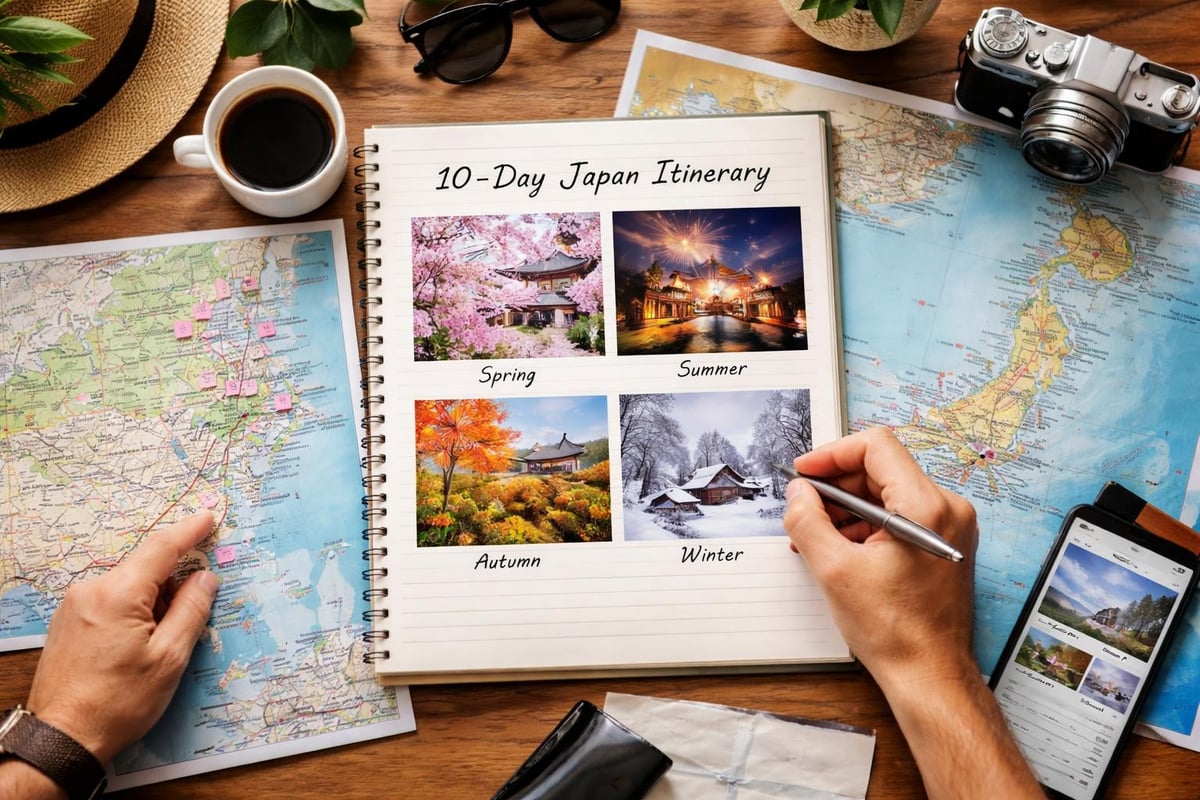
Each season transforms Japan's landscape and cultural calendar, influencing the ideal japan travel 10 days experience. Spring (March through May) brings cherry blossoms and mild temperatures, though crowds surge during peak bloom periods. Summer offers vibrant festivals but comes with humidity and higher prices.
Autumn (September through November) delivers comfortable weather and spectacular fall foliage, particularly in Kyoto's temple gardens and the Japanese Alps. Winter provides opportunities for skiing, hot spring bathing, and viewing illuminations, with the added benefit of fewer tourists at major attractions.
Crafting Your Tokyo Experience (Days 1-4)
Tokyo serves as the ideal starting point for most japan travel 10 days adventures, offering world-class infrastructure, countless attractions, and excellent connectivity to other regions. The first days should balance iconic experiences with neighborhood exploration, allowing gradual adjustment to the time difference.
| Day | Focus Area | Key Activities | Time Allocation |
|---|---|---|---|
| 1 | Arrival & Shinjuku | Hotel check-in, Shinjuku Gyoen Garden, Tokyo Metropolitan Building | Afternoon/Evening |
| 2 | Central Tokyo | Senso-ji Temple, Tokyo Skytree, Akihabara | Full day |
| 3 | Modern Tokyo | Shibuya Crossing, Harajuku, Meiji Shrine | Full day |
| 4 | Day Trip | Mount Fuji or Nikko | Full day |
Essential Tokyo Neighborhoods
Shinjuku combines business district energy with entertainment options, featuring the tranquil Shinjuku Gyoen Garden as a peaceful retreat. The area comes alive at night with countless dining options and the famous Memory Lane (Omoide Yokocho) offering yakitori stalls in a nostalgic atmosphere.
Asakusa preserves Tokyo's traditional character through Senso-ji Temple and surrounding streets lined with craft shops and traditional snack vendors. The contrast between historic Asakusa and the futuristic Tokyo Skytree visible across the river perfectly encapsulates Tokyo's dual nature.
Shibuya and Harajuku represent youth culture and fashion, with Takeshita Street's quirky boutiques and the serene Meiji Shrine providing unexpected tranquility mere steps from the urban chaos. These neighborhoods demonstrate Tokyo's ability to blend seemingly contradictory elements seamlessly.
Day Trip Options from Tokyo
Mount Fuji day trips allow visitors to appreciate Japan's most iconic natural landmark through various vantage points. The Fuji Five Lakes region offers the best views, while Hakone combines mountain scenery with hot springs and art museums. Many detailed Tokyo-based itineraries include these excursions as essential experiences.
Alternatively, Nikko presents ornate shrines and natural beauty within two hours of Tokyo. The Toshogu Shrine's elaborate decorations and surrounding forests create an immersive cultural and natural experience that complements Tokyo's urban intensity.
Discovering Kyoto's Timeless Beauty (Days 5-7)
The transition from Tokyo to Kyoto via shinkansen (bullet train) takes approximately two hours and fifteen minutes, delivering travelers from modern metropolis to cultural heartland. Kyoto demands at least three full days to properly appreciate its seventeen UNESCO World Heritage sites and countless temples, gardens, and traditional neighborhoods.
Kyoto priorities for a comprehensive visit:
- Eastern Kyoto: Kiyomizu-dera Temple, Gion district, Philosopher's Path
- Central Kyoto: Nijo Castle, Kyoto Imperial Palace, Nishiki Market
- Northern Kyoto: Kinkaku-ji (Golden Pavilion), Ryoan-ji rock garden
- Western Kyoto: Arashiyama bamboo grove, Tenryu-ji Temple
- Southern Kyoto: Fushimi Inari Shrine with its thousands of torii gates
Experiencing Traditional Culture
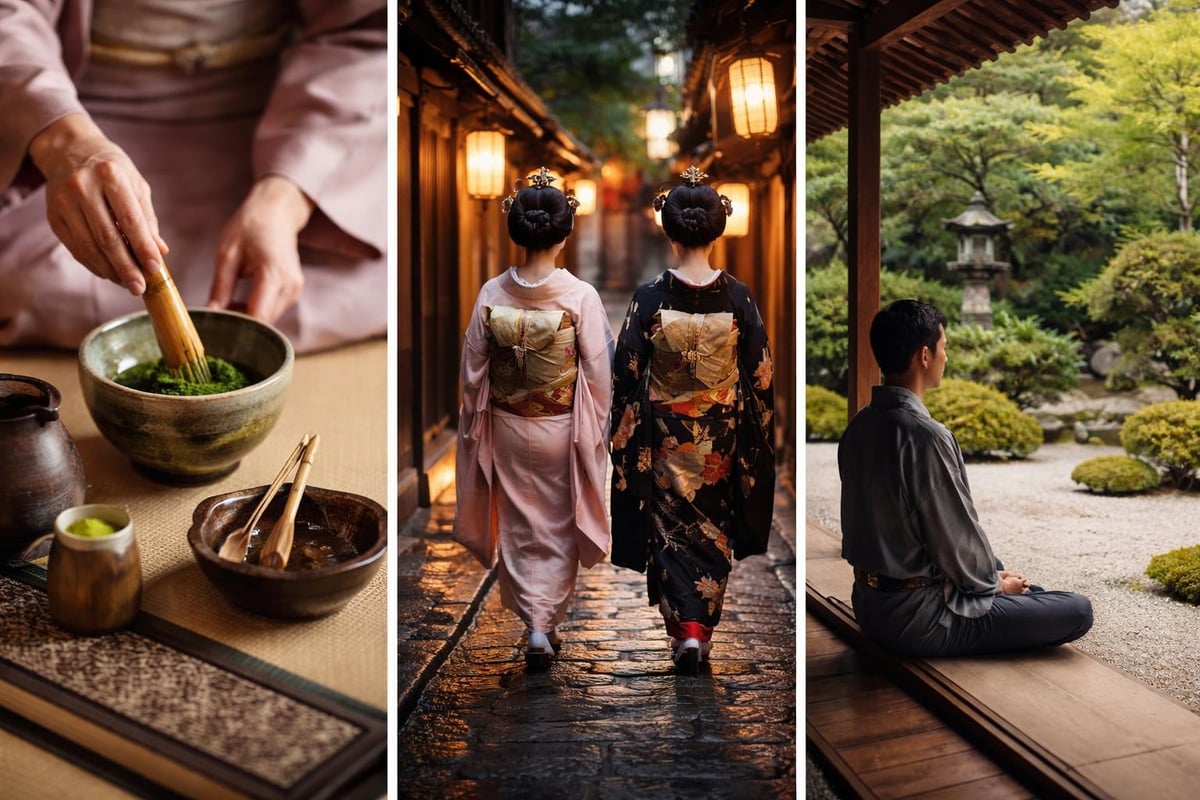
Gion district offers the highest probability of spotting geiko (Kyoto dialect for geisha) and maiko (apprentice geiko) during evening hours, particularly along Hanami-koji Street. Rather than chasing photo opportunities, respectful observation of these cultural practitioners going about their business provides authentic glimpses into traditional entertainment arts.
Tea ceremony participation transforms abstract knowledge into embodied understanding of Japanese aesthetics and hospitality. Several temples and cultural centers offer abbreviated ceremonies for tourists, while more extensive experiences include kaiseki meal pairings and detailed explanations of the ritual's philosophical foundations.
Many travelers find that splitting their japan travel 10 days between Tokyo and Kyoto provides ideal balance, as suggested in comprehensive multi-city itineraries that maximize cultural contrast.
Temple and Shrine Etiquette
Proper behavior at religious sites demonstrates respect for local customs and enhances the experience. At shrine entrances, bow slightly before passing through torii gates. Use the water pavilion to purify hands and mouth before approaching the main hall, following the prescribed sequence of right hand, left hand, then mouth rinsing.
Photography restrictions vary by location, with some inner sanctums prohibiting all cameras while gardens remain photo-friendly. When in doubt, observe other visitors or look for posted signs with camera symbols crossed out.
Exploring Beyond the Main Cities (Days 8-10)
The final three days of your japan travel 10 days journey allow for flexibility based on personal interests. Several compelling options extend your cultural education while offering distinctly different atmospheres from Tokyo and Kyoto.
Osaka: Culinary Capital
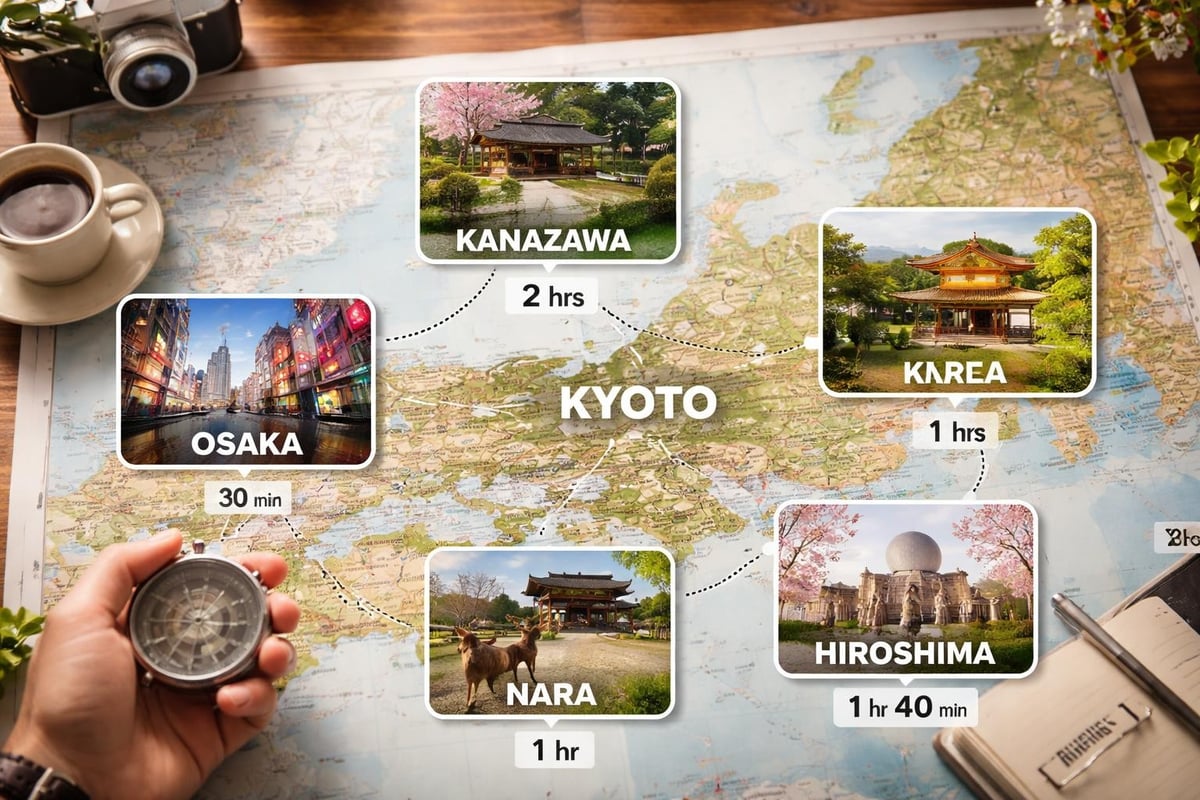
Osaka sits just thirty minutes from Kyoto by train and deserves at least one full day for its exceptional food culture. Dotonbori district serves as the epicenter of Osaka's culinary scene, where takoyaki (octopus balls), okonomiyaki (savory pancakes), and kushikatsu (deep-fried skewers) reign supreme.
Osaka Castle provides historical context and impressive architecture, while the Shinsekai district offers retro atmosphere and casual dining experiences. The city's energetic character contrasts sharply with Kyoto's refined elegance, demonstrating regional personality differences within close geographic proximity.
Hiroshima and Miyajima
Hiroshima combines sobering historical education with resilient modern vitality. The Peace Memorial Park and Museum require emotional preparation but provide essential context for understanding contemporary Japan. The preserved Atomic Bomb Dome stands as a powerful reminder of war's devastation and humanity's capacity for recovery.
Nearby Miyajima Island features the iconic floating torii gate of Itsukushima Shrine, best appreciated during high tide when it appears to float on water. The island's free-roaming deer and hillside temples create a peaceful atmosphere perfect for reflection after Hiroshima's intensity. Detailed Osaka-based itineraries often incorporate both destinations efficiently.
Nara Day Trip
Nara offers excellent day-trip potential with its famous deer population roaming freely through Nara Park. The deer, considered sacred messengers of the gods in Shinto belief, bow to visitors in exchange for special deer crackers sold throughout the park.
Todai-ji Temple houses a massive bronze Buddha statue that ranks among Japan's most impressive religious artworks. The wooden temple structure itself represents ancient architectural mastery, while surrounding gardens provide peaceful walking paths away from the main tourist crowds.
| Destination | Travel Time from Kyoto | Main Attractions | Recommended Duration |
|---|---|---|---|
| Osaka | 30-45 minutes | Dotonbori, Osaka Castle, food scene | 1-2 days |
| Hiroshima | 1 hour 45 minutes | Peace Park, Itsukushima Shrine | 1-2 days |
| Nara | 45 minutes | Todai-ji Temple, Nara Park deer | Half to full day |
| Kanazawa | 2 hours 15 minutes | Kenroku-en Garden, samurai district | 1-2 days |
Practical Transportation Strategies
Japan's transportation system ranks among the world's most efficient, though navigation requires understanding several components. The Japan Rail Pass provides exceptional value for tourists making multiple intercity trips during their japan travel 10 days adventure, covering most JR trains including shinkansen services.
Transportation essentials:
- Purchase and activate JR Pass strategically to maximize the seven-day coverage period
- Obtain IC cards (Suica or Pasmo) for seamless local transportation in major cities
- Download HyperDia or Google Maps for accurate train schedules and route planning
- Reserve shinkansen seats during peak travel periods, especially on weekends and holidays
Regional passes offer alternatives for travelers focusing on specific areas. The JR West Kansai Area Pass covers Kyoto, Osaka, Nara, and Kobe efficiently, while the Hakone Free Pass bundles transportation and attraction admissions for Mount Fuji area exploration.
Navigating Train Stations
Major stations like Tokyo and Kyoto can initially overwhelm first-time visitors with their size and complexity. Station layouts typically organize platforms by rail company and line, with clear signage in Japanese and English. Exit numbers help locate specific destinations, with station maps showing which exits correspond to nearby landmarks.
Peak commuting hours (7:30-9:30 AM and 5:00-7:00 PM) bring intense crowding on urban lines. Avoiding these windows when possible makes travel more comfortable and allows easier luggage management. Women-only cars operate during morning rush hours on many lines, identified by pink signs and markings.
Accommodation Strategies Across Regions
Lodging choices significantly impact your japan travel 10 days experience, with options ranging from capsule hotels to luxury ryokan. Location matters more than amenities in most cases, as proximity to train stations reduces daily commuting time and simplifies luggage management.
Tokyo accommodations should prioritize neighborhoods with direct airport access and good transit connections. Shinjuku, Shibuya, and Tokyo Station areas offer convenience, while Asakusa provides traditional atmosphere with slightly lower prices. Business hotels deliver cleanliness and efficiency without frills, while boutique options add personality at moderate premiums.
Kyoto stays should include at least one night in a traditional ryokan for the complete cultural experience. These inns provide kaiseki dining, yukata robes, tatami mat rooms, and often private or communal onsen (hot spring baths). The structured dinner and breakfast service, included in ryokan rates, elevates the experience beyond simple accommodation.
Balancing Budget and Experience
Luxury travelers can elevate their japan travel 10 days journey through private guides, exclusive temple access, and premium accommodations. Mid-range budgets allow comfortable stays in quality hotels with selective splurges on special meals or experiences. Budget-conscious visitors find excellent value in business hotels, conveyor belt sushi, and free attractions like shrine grounds and public gardens.
Many comprehensive tour packages bundle accommodation, transportation, and experiences, simplifying logistics while potentially limiting spontaneity. Private tours offer personalized attention and flexibility that group tours cannot match, particularly valuable for families or those with specific interests.
Cultural Experiences Worth Prioritizing
Beyond sightseeing, participatory cultural activities create lasting memories and deeper understanding. Cooking classes teaching sushi rolling, ramen making, or traditional sweets preparation provide hands-on engagement with Japanese cuisine. Many classes include market tours where instructors explain ingredient selection and seasonal considerations.
Kimono wearing experiences available in tourist districts offer professional dressing and photo opportunities. While somewhat touristy, the elaborate kimono dressing process and resulting photos create tangible memories. Some services include guided walks through historic districts while wearing traditional dress.
Unique cultural activities to consider:
- Zen meditation sessions at temples offering English-language instruction
- Calligraphy workshops teaching basic brush techniques and character formation
- Sake brewery tours with tasting sessions in Kyoto's Fushimi district
- Traditional craft workshops for pottery, indigo dying, or woodblock printing
- Sumo stable morning practice viewing in Tokyo (by reservation)
Food Adventures Beyond Restaurants
Japan's convenience stores (konbini) deserve recognition as cultural institutions providing high-quality prepared foods, seasonal treats, and essential services. Family Mart, 7-Eleven, and Lawson offer surprising variety including excellent onigiri rice balls, fresh sandwiches, and seasonal desserts that rival specialized shops.
Depachika (department store basement food halls) showcase Japanese food culture's highest expressions through immaculate produce, exquisite prepared dishes, and beautiful sweets. These food halls allow sampling regional specialties and artisanal products without restaurant commitment, though prices reflect premium quality.
Street food culture thrives in specific areas, particularly Osaka's Dotonbori and Tokyo's Ameya-Yokocho market. Regional specialties like Hiroshima-style okonomiyaki or Osaka's kushikatsu provide authentic flavors in casual settings where pointing and smiling overcome language barriers.
Packing and Preparation Essentials
Japan travel 10 days requires strategic packing considering seasonal weather, cultural norms, and daily activities. Coin purses prove essential as cash remains prevalent and many transactions generate coins. Comfortable walking shoes matter more than fashion, given the extensive daily walking most itineraries require.
Modest clothing respects cultural expectations, particularly when visiting religious sites. Shoulders and knees should remain covered at temples and shrines, while easily removable shoes simplify frequent entry protocols. Lightweight layers accommodate variable weather and heavily air-conditioned indoor spaces.
Essential items often overlooked:
- Portable battery pack for smartphone navigation and photos
- Small towel or handkerchief, as public restrooms rarely provide hand dryers
- Reusable shopping bag for convenience store purchases (plastic bags now cost extra)
- Prescription medications in original containers with documentation
- Business cards if meeting Japanese contacts (presenting and receiving requires both hands)
Maximizing Limited Time
Strategic planning allows ambitious travelers to maximize their japan travel 10 days without sacrificing enjoyment. Early morning temple visits beat crowds and provide peaceful experiences impossible during midday hours. Many major attractions open at 8:00 or 9:00 AM when most tourists still eat breakfast.
Evening activities extend productive hours without rushing daytime sightseeing. Tokyo's izakaya dining, Osaka's nightlife districts, and Kyoto's illuminated temple events provide excellent evening options. Some temples offer special evening viewings during specific seasons, combining cultural experiences with unique perspectives.
Rest days prevent burnout during intensive travel. Designating one lighter day mid-journey for slow morning starts, neighborhood wandering, or half-day activities helps maintain energy throughout the full ten days. Comprehensive guides like this 10-day cultural itinerary balance intensive sightseeing with recovery time.
A thoughtfully planned japan travel 10 days journey creates transformative experiences that combine cultural immersion, culinary discovery, and visual splendor across Japan's most compelling destinations. Whether you follow a structured itinerary or allow spontaneous discoveries to guide your path, ten days provides the perfect foundation for understanding Japan's unique blend of tradition and innovation. TOURJAPAN specializes in creating bespoke private tours that transform standard itineraries into personalized journeys reflecting your specific interests, ensuring every moment of your ten days delivers authentic cultural connections and unforgettable memories tailored precisely to your vision of the perfect Japan experience.


