

Traveling between Japan's modern capital and its ancient cultural heart has never been more accessible, yet planning a kyoto day tour from tokyo requires strategic thinking to maximize your experience. The Shinkansen bullet train makes the 320-mile journey in just over two hours, transforming what was once a multi-day pilgrimage into a feasible day trip. With over 2,000 temples, stunning gardens, and traditional neighborhoods, Kyoto offers an immersive cultural experience that contrasts beautifully with Tokyo's metropolitan energy. Understanding the logistics, timing, and essential highlights ensures you capture the essence of this historic city without the stress of rushed travel.
Transportation Options for Your Day Trip
The foundation of any successful kyoto day tour from tokyo begins with selecting the right transportation method. The Tokaido Shinkansen represents the most efficient choice, offering multiple train categories with varying speeds and price points.
Shinkansen Categories and Travel Times
Nozomi trains complete the journey in approximately 2 hours and 15 minutes, making them the fastest option for time-conscious travelers. These trains depart frequently throughout the day, providing flexibility in your schedule. Hikari trains take roughly 2 hours and 45 minutes and stop at additional stations along the route. Kodama trains, the slowest category, require about 3 hours and 45 minutes but remain an option for those with rail passes.
Cost considerations significantly impact your planning. A one-way reserved seat on the Nozomi costs approximately ¥13,320 ($88), meaning a round trip represents a substantial investment. The Japan Rail Pass covers Hikari and Kodama trains but excludes Nozomi services, making it economical for tourists planning multiple train journeys during their stay.
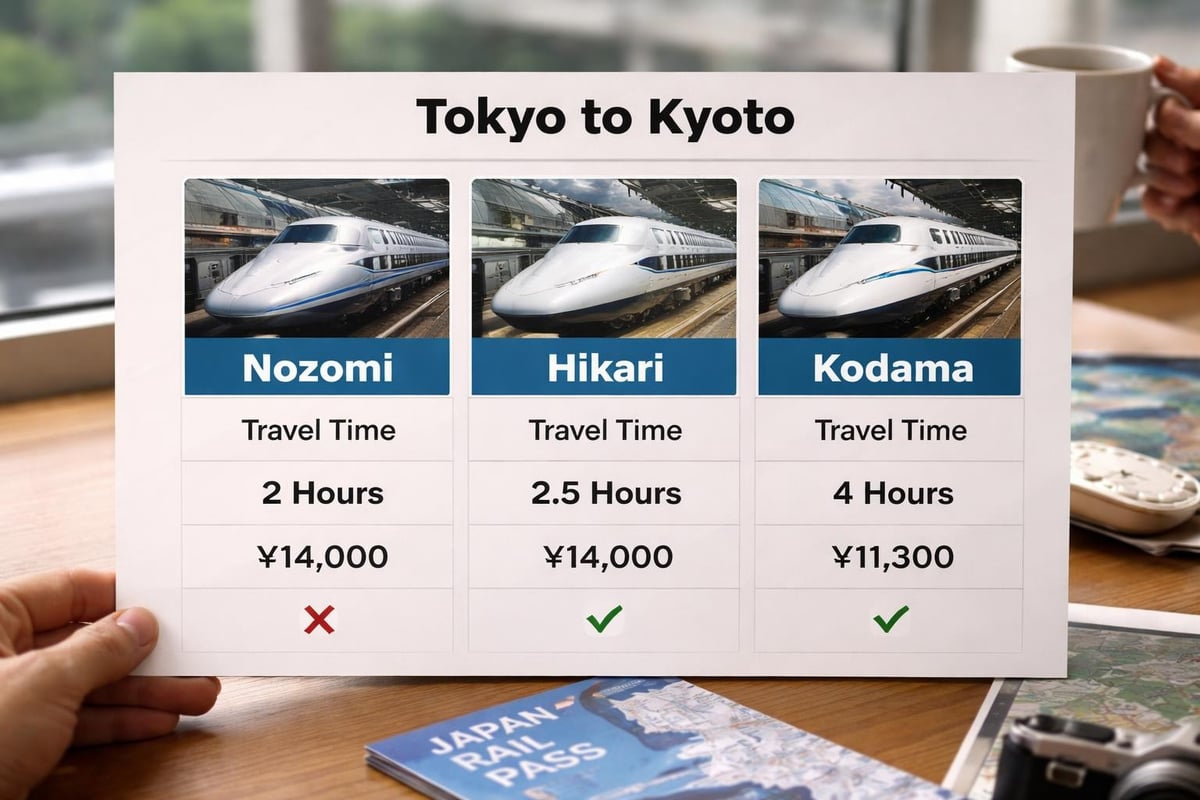
| Train Type | Travel Time | One-Way Cost | JR Pass Valid |
|---|---|---|---|
| Nozomi | 2h 15m | ¥13,320 | No |
| Hikari | 2h 45m | ¥13,320 | Yes |
| Kodama | 3h 45m | ¥13,320 | Yes |
Departure Strategies and Station Navigation
Tokyo Station serves as the primary departure point, though Shinagawa Station offers an alternative that may be more convenient depending on your hotel location. Arriving 20-30 minutes before departure allows time for ticket purchase, platform location, and potential ekiben (station bento) shopping.
Early morning departures maximize your time in Kyoto. The 6:00 AM trains arrive before 8:30 AM, providing a full day of exploration. Evening return trains operate until approximately 9:00 PM from Kyoto, though planning your day trip to Kyoto from Tokyo requires booking the 6:00-7:00 PM return trains to avoid rushing through attractions.
Essential Kyoto Attractions for Day Visitors
Strategic site selection transforms a kyoto day tour from tokyo from overwhelming to memorable. Kyoto contains over 1,600 Buddhist temples and 400 Shinto shrines, making comprehensive coverage impossible in a single day.
Eastern Kyoto (Higashiyama District)
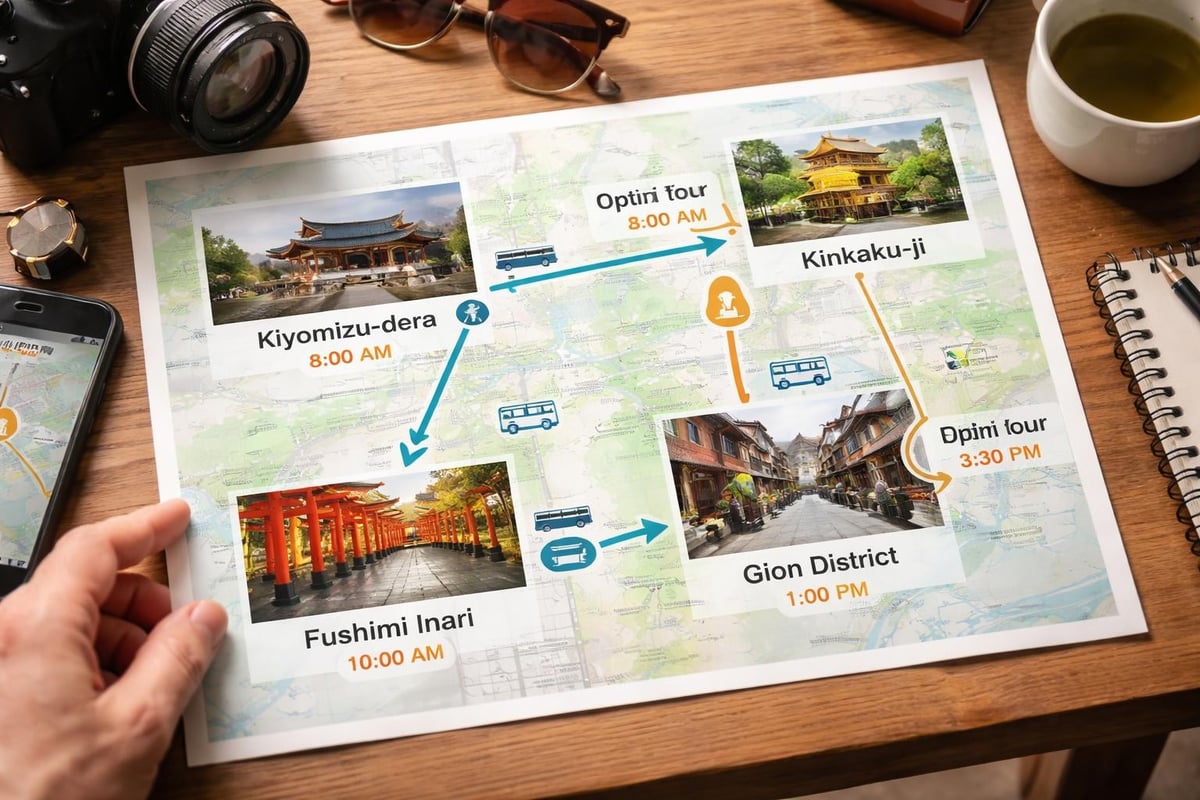
The Higashiyama area concentrates multiple significant sites within walking distance, optimizing your limited timeframe. Kiyomizu-dera Temple stands as Kyoto's most iconic landmark, featuring a wooden stage that projects from the hillside offering panoramic city views. The approach through Ninenzaka and Sannenzaka streets presents traditional architecture, craft shops, and tea houses.
Fushimi Inari Taisha ranks among Japan's most photographed locations, famous for thousands of vermillion torii gates creating tunnels up Mount Inari. While the complete circuit requires 2-3 hours, the lower sections provide impressive visuals within 45-60 minutes. Early morning visits avoid cruise ship crowds that typically arrive after 10:00 AM.
Gion District preserves Kyoto's geisha culture within wooden machiya townhouses. Walking Hanami-koji Street during late afternoon increases chances of glimpsing geiko (Kyoto's term for geisha) and maiko heading to appointments. The district's atmospheric streets photograph beautifully during golden hour.
Central and Northern Highlights
Kinkaku-ji (Golden Pavilion) captivates visitors with its gold-leaf covered structure reflecting in the surrounding pond. Located in northern Kyoto, it requires dedicated transit time but delivers one of Japan's most recognizable images. The surrounding gardens exemplify traditional Japanese landscape design principles.
Arashiyama Bamboo Grove offers an otherworldly experience walking through towering bamboo stalks that filter sunlight into green-tinted shadows. The nearby Tenryu-ji Temple combines with the grove for a compelling half-day itinerary. However, transportation methods from Tokyo to Kyoto impact whether western Kyoto sites fit your schedule.
Nijo Castle provides insight into shogunate power through its ornate rooms and "nightingale floors" designed to chirp when walked upon, preventing silent approach. The castle's relatively central location makes it easier to incorporate than outlying temples.
Site Selection Strategy
- Focus on 3-4 major attractions rather than attempting exhaustive coverage
- Choose geographically clustered sites to minimize transit time
- Balance famous landmarks with atmospheric neighborhoods for varied experiences
- Consider admission times as some temples close by 5:00 PM
Sample Itineraries for Maximum Impact
Structuring your kyoto day tour from tokyo around realistic timeframes prevents disappointment and exhaustion. These itineraries account for transportation, walking times, and reasonable pacing.
Classic Highlights Itinerary
6:00 AM – Depart Tokyo Station via Nozomi Shinkansen
8:20 AM – Arrive Kyoto Station, purchase bus day pass (¥700)
9:00 AM – Fushimi Inari Taisha (90 minutes including lower trails)
11:00 AM – Transit to Kiyomizu-dera area
11:30 AM – Explore Kiyomizu-dera Temple and surrounding streets (120 minutes)
1:30 PM – Lunch in Gion or Pontocho
2:45 PM – Gion District walking tour (60 minutes)
4:00 PM – Kinkaku-ji Golden Pavilion (60 minutes)
5:30 PM – Return to Kyoto Station
6:30 PM – Depart for Tokyo
8:45 PM – Arrive Tokyo Station
Cultural Immersion Itinerary
This alternative focuses on experiential depth rather than landmark quantity, incorporating must-visit temples, shrines, and cultural experiences that provide meaningful connections.
- Morning meditation at a Zen temple with monk guidance
- Tea ceremony experience in traditional machiya townhouse
- Arashiyama exploration including bamboo grove and Tenryu-ji
- Traditional craft workshop (pottery, textile dyeing, or calligraphy)
- Kaiseki dinner before evening Shinkansen return
Western Kyoto Focus
6:00 AM – Tokyo departure
8:30 AM – Arashiyama Bamboo Grove (uncrowded early visit)
9:30 AM – Tenryu-ji Temple and gardens
11:00 AM – Okochi Sanso Villa gardens
12:30 PM – Lunch along Katsura River
2:00 PM – Kinkaku-ji Golden Pavilion
3:30 PM – Ryoan-ji rock garden
4:45 PM – Ninna-ji Temple (if time permits)
6:00 PM – Return transit begins
Private Guided Tours Versus Independent Exploration
The choice between guided experiences and self-directed exploration significantly influences your kyoto day tour from tokyo outcome. Each approach offers distinct advantages depending on priorities, budget, and travel style.
Benefits of Private Guided Tours
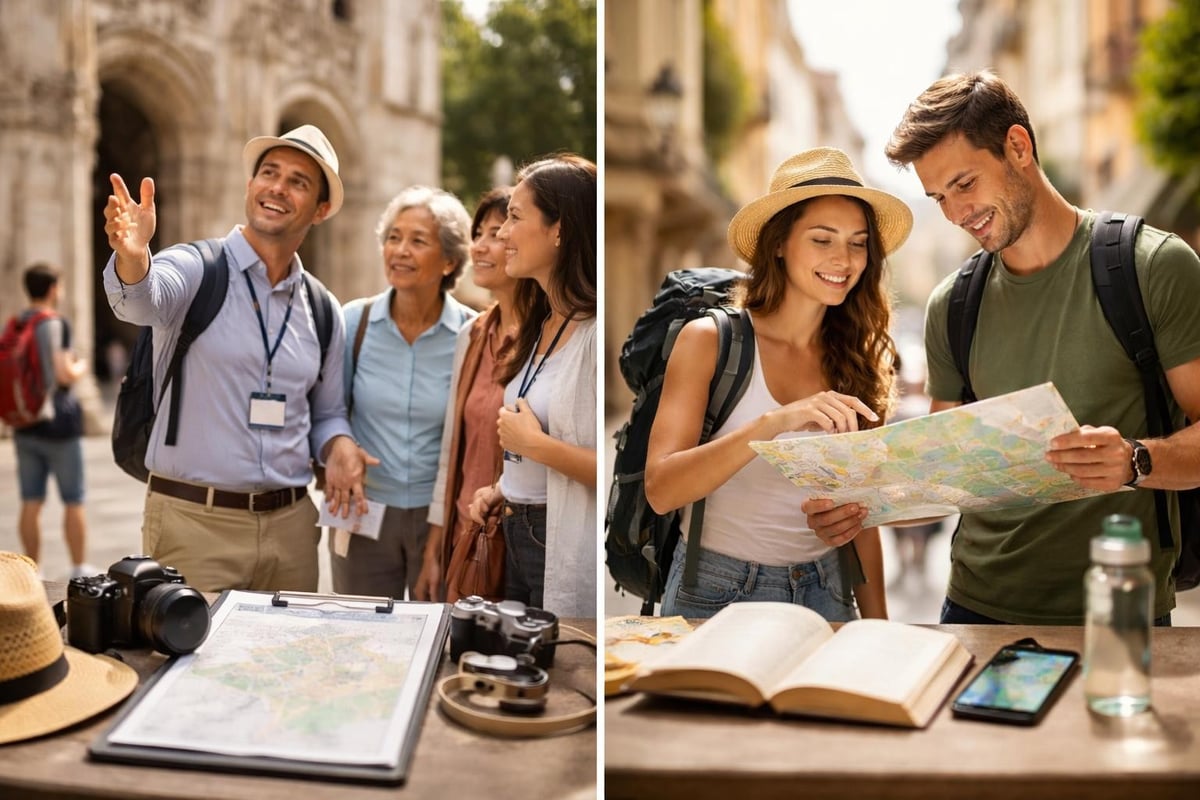
Expert knowledge transforms sites from beautiful backdrops into meaningful cultural experiences. Licensed guides explain historical context, architectural significance, and religious practices that independent visitors often miss. They navigate efficiently between locations, eliminating confusion with bus routes and walking directions.
Time optimization becomes crucial during compressed day trips. Professional guides know crowd patterns, shortcut routes, and optimal photography timing. They handle ticket purchases and reservations, maximizing actual sightseeing time versus logistical management.
Customization opportunities allow focusing on specific interests whether traditional arts, culinary experiences, or architectural styles. A private guided tour from Tokyo to Kyoto by bullet train provides personalized attention impossible in group settings.
Cultural interpretation adds depth to visual experiences. Understanding the symbolism in temple gardens, the meaning of architectural elements, or the significance of seasonal rituals enriches what might otherwise remain surface-level tourism.
| Aspect | Private Guided Tour | Independent Travel |
|---|---|---|
| Cost | $400-600+ per person | $180-250 per person |
| Flexibility | High customization | Complete freedom |
| Efficiency | Maximized by expert | Depends on research |
| Cultural Depth | Expert interpretation | Self-research required |
| Language Barrier | Eliminated | Can be challenging |
Independent Travel Considerations
Budget consciousness makes self-guided exploration appealing. Transportation, admission fees, and meals total approximately $180-250 versus $400-600+ for private guided experiences. The savings become significant for budget-focused travelers or larger groups.
Research requirements increase substantially when planning independently. Understanding bus routes, purchasing appropriate tickets, and navigating Japanese signage requires preparation. Day trip transportation logistics become more complex without guidance.
Spontaneity allows pursuing unexpected discoveries like small neighborhood temples or local festivals. Independent travelers can linger at favorite sites or skip locations that don't resonate.
Practical Considerations and Pro Tips
Success with a kyoto day tour from tokyo extends beyond selecting attractions and transportation. Attention to practical details prevents common frustrations and enhances overall experience.
Timing and Seasonal Factors
Spring (March-May) brings cherry blossoms that transform temple gardens into pink wonderlands. However, crowds intensify during peak bloom (early April), requiring earlier departures and advance reservations. Temperatures range from 50-70°F, ideal for walking.
Summer (June-August) features intense heat and humidity that can exhaust visitors unaccustomed to Japanese summers. Afternoon temperatures exceed 90°F with high humidity. Morning departures become essential, and afternoon activities should focus on air-conditioned venues like museums.
Autumn (September-November) rivals spring for popularity as maple leaves create red and gold displays. Late November represents peak foliage, particularly stunning at Tofuku-ji and Eikando temples. Weather remains comfortable for extensive walking.
Winter (December-February) offers the smallest crowds and occasional snow transforming temples into serene landscapes. Temperatures drop to 35-45°F, and some gardens close or reduce hours.
Packing Essentials
- Comfortable walking shoes are non-negotiable as you'll cover 15,000+ steps
- Portable charger keeps phones operational for navigation and photos
- Cash remains essential as many small shops and some temples don't accept cards
- Light daypack carries purchases, water, and layers for temperature changes
- IC card (Suica/Pasmo) simplifies bus and train payments in Kyoto
Food and Dining Strategies
Kyoto's culinary scene deserves attention despite time constraints. Ekiben purchased at Tokyo or Kyoto stations provide quality breakfast during transit. Nishiki Market offers street food sampling through Kyoto's "kitchen" featuring seasonal specialties.
Reservation planning becomes critical for popular restaurants. Lunch reservations at kaiseki restaurants or famous tofu establishments should be made weeks in advance. Alternatively, counter-service udon or soba shops near temples provide quick, authentic meals without reservations.
Vegetarian and dietary restrictions are generally accommodated in temple areas where shojin ryori (Buddhist vegetarian cuisine) represents traditional practice. However, communicating restrictions in Japanese improves success rates at smaller establishments.
Photography Considerations
Temple photography policies vary significantly. Some prohibit interior photography entirely, others allow non-flash photography, while a few restrict images of specific statues or scroll paintings. Always check posted signs or ask staff before photographing.
Crowd management for iconic shots requires strategic timing. Bamboo grove and Fushimi Inari photograph best before 9:00 AM or after 4:00 PM. Golden Pavilion's reflection photographs optimally in morning light with fewer visitors.
Gion etiquette demands respectful photography. Geiko and maiko are working professionals, not tourist attractions. Never block their path, touch them, or pursue them for photographs. Respectful distance photography only.
Transportation Within Kyoto
Local transit knowledge separates efficient visitors from those wasting precious hours. Kyoto's public transportation system operates differently from Tokyo's extensive rail network.
Bus System Mastery
City buses provide primary tourist transportation, with routes connecting major temples and districts. The ¥700 one-day bus pass becomes economical after three rides (single fares cost ¥230). Purchase at Kyoto Station bus terminal or from drivers.
Route 100 and 101 specifically serve tourist destinations in circular patterns. Route numbers and destination displays appear in Japanese and English. Board through rear doors, exit through front while paying.
Google Maps integration in Kyoto includes bus routes with real-time arrivals, making navigation straightforward for international visitors. Download offline maps before departure as backup.
Taxi Considerations
Taxi availability exceeds bus convenience for time-pressed visitors. Base fares start at ¥600 with incremental charges. From Kyoto Station to Fushimi Inari costs approximately ¥1,500, to Kinkaku-ji around ¥2,500.
Language barriers sometimes challenge taxi communication. Carrying written destination names in Japanese or showing drivers photos of destinations improves success. Many newer taxis include tablet translation systems.
Rental Options
Bicycle rental suits confident cyclists willing to navigate traffic. Kyoto's relatively flat geography makes cycling feasible, though busy streets require caution. Rental shops near Kyoto Station charge ¥1,000-2,000 daily.
Private car services eliminate navigation stress entirely. While expensive ($400-600 for full-day service), they maximize efficiency by moving directly between attractions with climate-controlled comfort.
Cost Breakdown and Budgeting
Understanding the complete financial picture helps plan your kyoto day tour from tokyo appropriately. Costs vary significantly based on choices around transportation, dining, and guided services.
Base Transportation Costs
- Shinkansen round-trip: ¥26,640 ($177) without rail pass
- Kyoto bus day pass: ¥700 ($4.65)
- Alternative taxis (3-4 rides): ¥6,000-8,000 ($40-53)
Admission Fees
- Temple admissions (4-5 sites): ¥2,000-3,000 ($13-20)
- Special exhibitions or gardens: Additional ¥500-1,000 per site
- Tea ceremony experience: ¥2,500-8,000 ($17-53)
Dining Budget
- Ekiben breakfast: ¥1,000-1,500 ($6.65-10)
- Lunch (mid-range restaurant): ¥1,500-3,000 ($10-20)
- Snacks and drinks: ¥1,000 ($6.65)
- Dinner before return: ¥2,000-5,000 ($13-33)
Total Budget Ranges
Economy approach: $220-280 (rail pass, basic meals, self-guided)
Moderate experience: $300-400 (reserved Shinkansen, quality dining, some taxi use)
Premium journey: $500-800 (private guide, kaiseki meals, private transportation)
Making the Most of Limited Time
Every minute counts when executing a kyoto day tour from tokyo successfully. Strategic preparation and realistic expectations prevent common disappointments.
Pre-Trip Research Investment
Virtual exploration through temple websites and video tours helps prioritize must-see locations. Understanding what makes each site significant allows confident decision-making when time conflicts arise.
Reservation confirmation for any special experiences (tea ceremonies, meditation sessions, kaiseki restaurants) should be completed at least one week in advance. Popular experiences book quickly, especially during peak seasons.
Backup planning acknowledges that weather, unexpected crowds, or transit delays may require itinerary adjustments. Identifying alternative sites in each area provides flexibility without requiring extensive on-the-spot research.
Energy Management
Pace variation between intensive temple visits and relaxed walking through neighborhoods prevents burnout. Schedule the most important site first when energy levels peak, then alternate between high-priority and moderate-interest locations.
Hydration and rest become critical during extensive walking days. Temple grounds often provide benches and rest areas. Taking brief breaks maintains stamina for full-day exploration.
Realistic expectations acknowledge that one day provides only an introduction to Kyoto's treasures. Rather than attempting superficial coverage of many sites, deeper engagement with fewer locations creates more memorable experiences.
A successful kyoto day tour from tokyo balances ambitious planning with realistic execution, creating meaningful cultural encounters within tight timeframes. Whether you choose independent exploration or guided experiences, proper preparation transforms this challenging itinerary into one of Japan's most rewarding day trips. TOURJAPAN specializes in creating personalized Kyoto experiences that maximize your limited time through expert guides, customized itineraries, and seamless logistics. Their private tours eliminate the stress of navigation and scheduling, allowing you to focus entirely on experiencing Kyoto's extraordinary cultural heritage with depth and understanding that transforms sightseeing into genuine cultural immersion.


