

Planning a Tokyo Japan vacation offers travelers an extraordinary blend of ancient traditions and cutting-edge modernity that few destinations can match. This vibrant metropolis seamlessly combines centuries-old temples with futuristic architecture, traditional tea ceremonies with robot restaurants, and serene gardens with electric entertainment districts. Whether you're drawn to cultural immersion, culinary adventures, or technological marvels, Tokyo delivers an unforgettable experience that rewards thoughtful planning and local insight. Understanding the city's distinct neighborhoods, seasonal considerations, and cultural nuances transforms a good trip into an exceptional journey through one of the world's most dynamic cities.
Understanding Tokyo's Distinct Neighborhoods
Tokyo sprawls across 23 special wards, each offering unique characteristics that cater to different traveler interests. Rather than viewing Tokyo as a single destination, successful visitors recognize it as a collection of distinct neighborhoods worth exploring individually.
Traditional Cultural Districts
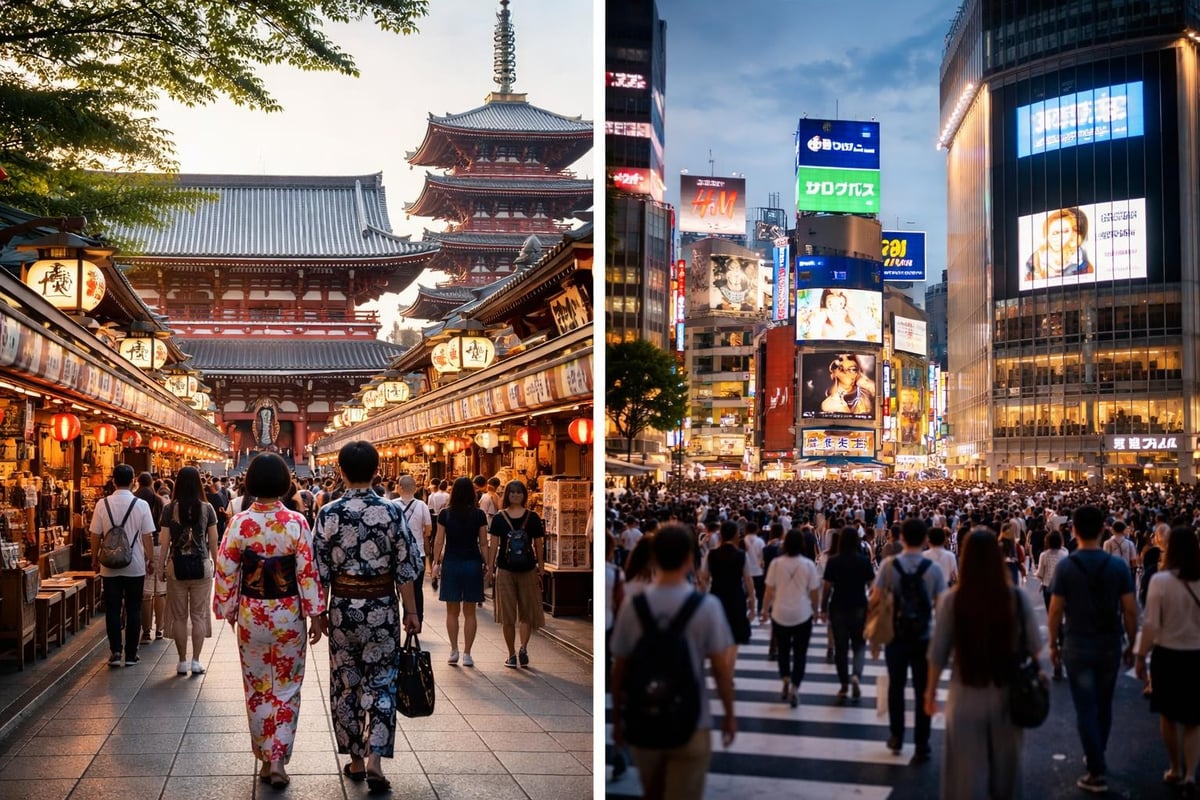
Asakusa stands as Tokyo's heart of traditional culture, where the magnificent Senso-ji Temple draws millions of visitors annually. The surrounding Nakamise shopping street offers authentic Japanese crafts, snacks, and souvenirs in a historic setting that transports you back centuries. This district provides the quintessential old Tokyo experience many travelers seek.
Ueno combines cultural institutions with natural beauty, housing multiple museums within Ueno Park alongside cherry blossom viewing spots that rank among Japan's finest. The Tokyo National Museum here contains the world's largest collection of Japanese art, making it essential for culture enthusiasts planning their Tokyo Japan vacation.
Modern Entertainment Hubs
Shibuya epitomizes Tokyo's youthful energy through its famous scramble crossing, trendy boutiques, and vibrant nightlife scene. The district constantly evolves, with new commercial developments reshaping its skyline while maintaining its position as a fashion and youth culture epicenter.
Shinjuku operates as Tokyo's busiest transportation hub and entertainment district, where neon-lit streets come alive after dark. The area divides into distinct zones:
- West Shinjuku: Skyscraper district with observation decks and business hotels
- East Shinjuku: Shopping, dining, and entertainment complexes
- Kabukicho: Nightlife and entertainment quarter
- Shinjuku Gyoen: Massive garden offering peaceful retreat from urban intensity
According to National Geographic’s Tokyo travel guide, understanding these neighborhood distinctions helps visitors allocate their time effectively across this massive metropolis.
Seasonal Considerations for Your Tokyo Japan Vacation
Timing significantly impacts your Tokyo experience, with each season offering distinct advantages and challenges that merit careful consideration.
Spring Cherry Blossom Season
Late March through early April brings sakura season, when cherry blossoms transform parks and gardens into pink wonderlands. This period represents peak tourist season, with hotel prices rising substantially and popular spots becoming crowded. However, the magical atmosphere and pleasant weather justify the premiums for many travelers.
Hanami (flower viewing) parties fill parks like Ueno, Yoyogi, and Shinjuku Gyoen, where locals and tourists gather beneath blooming trees for picnics and celebrations. Booking accommodations six months advance becomes essential during this period.
Summer Festival Season
June through August brings heat and humidity alongside spectacular festivals. The Sumida River Fireworks Festival in late July launches thousands of fireworks over Tokyo's waterways, while neighborhood matsuri (festivals) occur throughout the season.
| Season | Temperature | Crowds | Advantages | Considerations |
|---|---|---|---|---|
| Spring | 50-70°F | Very High | Cherry blossoms, pleasant weather | Expensive, crowded |
| Summer | 75-90°F | High | Festivals, longer days | Hot, humid, rainy season |
| Fall | 55-70°F | Moderate | Foliage, clear skies, comfortable | Typhoon season (Sept-Oct) |
| Winter | 35-50°F | Low | Clear views, winter illuminations | Cold, some attractions close |
Autumn Colors and Comfort
November through early December provides ideal conditions for a Tokyo Japan vacation. Comfortable temperatures, brilliant fall foliage, and fewer crowds create perfect touring conditions. The Official Tokyo Travel Guide highlights numerous viewing spots for autumn colors throughout the metropolitan area.
Essential Cultural Experiences
Cultural immersion distinguishes memorable trips from ordinary sightseeing tours, and Tokyo offers countless opportunities for authentic engagement with Japanese traditions.
Temple and Shrine Etiquette
Proper shrine visiting protocol enhances your experience and demonstrates respect for sacred spaces. Basic etiquette includes bowing at the torii gate entrance, purifying hands and mouth at the temizuya water basin, and making offerings quietly at the main hall.
Major shrines worth visiting include:
- Meiji Jingu: Dedicated to Emperor Meiji, surrounded by forest in central Tokyo
- Senso-ji: Tokyo's oldest temple, bustling with activity and traditional atmosphere
- Yasukuni Shrine: Controversial but historically significant war memorial
- Nezu Shrine: Stunning vermillion torii gate tunnel and azalea gardens
Traditional Arts and Crafts
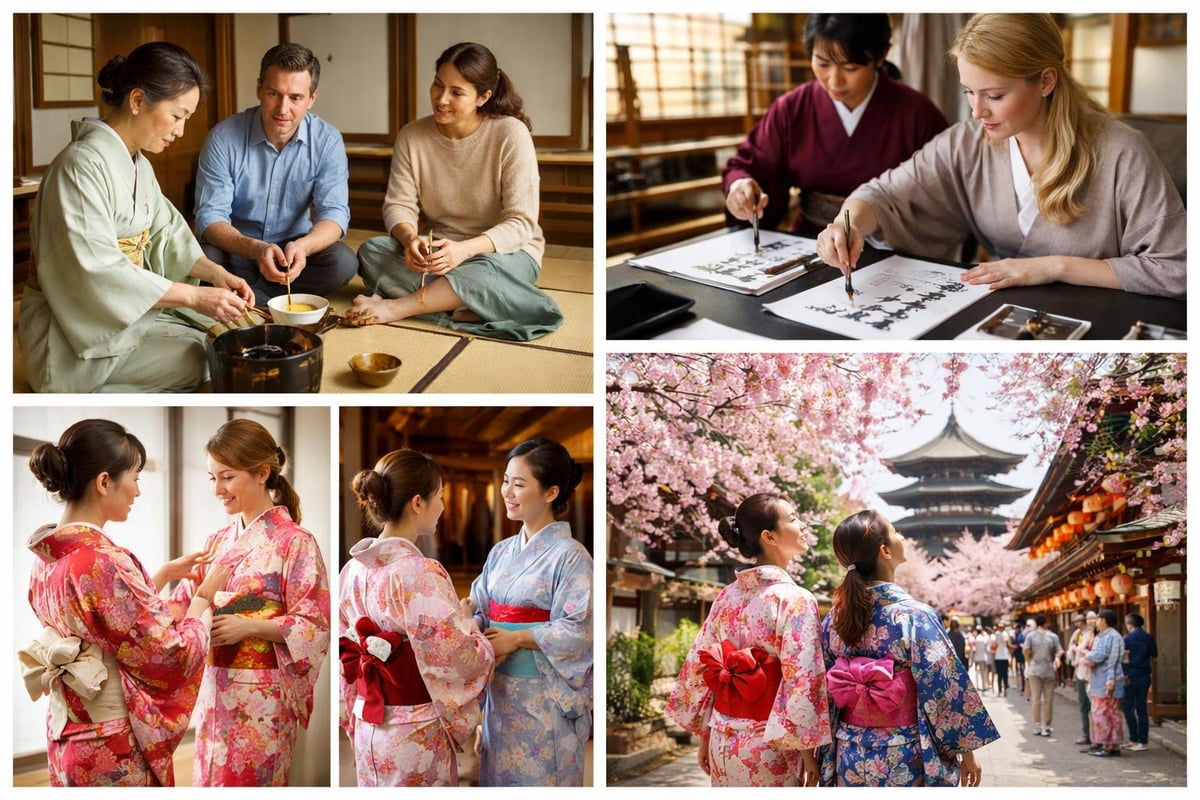
Participating in traditional activities creates lasting memories beyond passive observation. Tea ceremony experiences teach you the deliberate, mindful movements of this refined art form, while calligraphy workshops introduce you to the aesthetic principles underlying Japanese writing.
Kimono wearing experiences available throughout Tokyo let you dress in traditional garments and stroll historic neighborhoods, creating photographic memories while gaining appreciation for these elaborate costumes. Many tour operators offer half-day packages including professional dressing, hairstyling, and guided walks through photogenic areas.
Navigating Tokyo's Transportation Network
Tokyo's transportation system ranks among the world's most efficient yet initially intimidating networks, requiring some preparation for smooth navigation.
Subway and Train Systems
Multiple operators run Tokyo's trains, including Tokyo Metro, Toei Subway, and JR East. This complexity occasionally confuses visitors, though smartphone apps simplify route planning considerably. The Lonely Planet Tokyo guide emphasizes downloading navigation apps before arrival for stress-free transit.
IC cards (Suica or Pasmo) eliminate ticket purchasing hassles by functioning as rechargeable tap-and-go payment cards. These cards work across all train lines and even at many convenience stores and vending machines, making them essential tools for your Tokyo Japan vacation.
Strategic Transportation Tips
Purchase a 72-hour Tokyo Metro pass if you plan intensive sightseeing over three consecutive days. This unlimited-ride ticket costs less than seven individual journeys, providing excellent value for active tourists.
Avoid rush hours (7:30-9:30 AM and 5:30-7:30 PM) when packed trains reach uncomfortable capacity levels. Professional "pushers" literally compress passengers into cars during peak periods, creating experiences better avoided when possible.
Culinary Adventures Throughout Tokyo
Tokyo holds more Michelin stars than any other city globally, yet exceptional dining spans all price points from street food to exclusive kaiseki restaurants.
Neighborhood Food Specialties
Different districts offer distinctive culinary experiences worth seeking out:
- Tsukiji Outer Market: Fresh sushi, grilled seafood, and traditional Japanese breakfast
- Shinjuku Memory Lane: Tiny yakitori grills in atmospheric alleyways
- Akihabara: Themed cafes and unique dining concepts
- Ginza: High-end sushi counters and established restaurants
- Harajuku: Trendy cafes and Instagram-worthy desserts
Dining Etiquette and Reservations
Advanced reservations become mandatory at top restaurants, with some requiring bookings months ahead through hotel concierges or specialized reservation services. Many prestigious establishments refuse walk-in customers or foreign visitors without proper introductions, making local connections valuable.
Basic etiquette enhances your dining experience:
- Never stick chopsticks vertically in rice (funeral ritual)
- Say "itadakimasu" before eating and "gochisosama" after finishing
- Slurp noodles audibly to show appreciation
- Pour drinks for others, never yourself
- Place chopsticks on the holder, never across your bowl
The Fodor’s Tokyo guide provides additional insights into navigating Tokyo's diverse culinary landscape while avoiding common tourist traps.
Shopping Districts and Retail Therapy
Tokyo satisfies every shopping preference from luxury boutiques to vintage treasures, with specialized districts catering to specific interests.
Fashion and Electronics
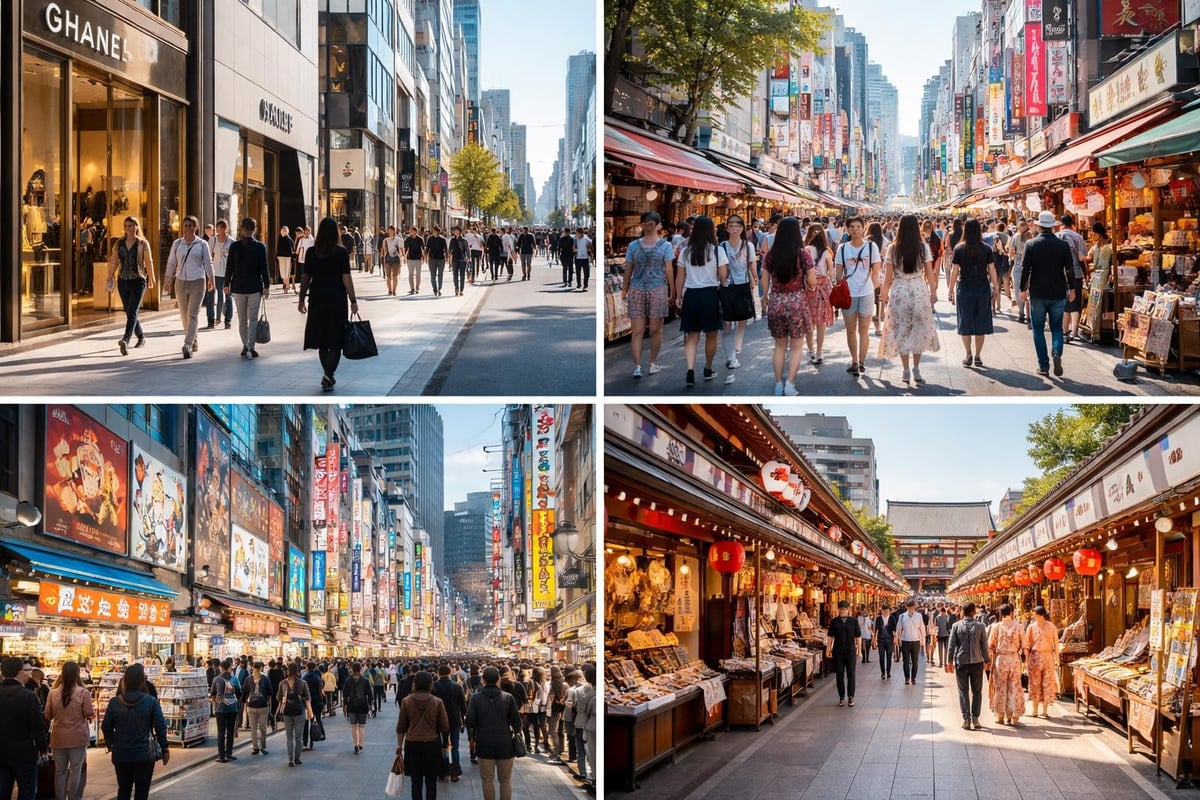
Harajuku's Takeshita Street pulses with youth fashion trends, quirky accessories, and colorful crepe stands. Nearby Omotesando Avenue offers the opposite experience through luxury brand flagships and sophisticated architectural statements.
Akihabara dominates electronics and anime merchandise markets, with multi-story shops selling everything from vintage video games to the latest gadgets. Duty-free shopping opportunities abound for foreign visitors carrying passports.
| District | Specialty | Price Range | Best For |
|---|---|---|---|
| Ginza | Luxury goods, department stores | High | Designer shopping, elegant atmosphere |
| Shibuya | Youth fashion, cosmetics | Medium | Trendy clothing, beauty products |
| Akihabara | Electronics, anime goods | Low-Medium | Tech gadgets, pop culture items |
| Shimokitazawa | Vintage clothing, records | Low-Medium | Unique finds, bohemian vibe |
Traditional Crafts and Souvenirs
Nakamise Street in Asakusa concentrates traditional souvenir shopping in one atmospheric location. Here you'll find authentic Japanese items including folding fans, woodblock prints, ceramics, and traditional sweets.
Kappabashi Street supplies professional kitchen equipment and realistic food samples, offering unique souvenirs impossible to find elsewhere. The plastic food displays adorning restaurant windows throughout Japan originate from these specialized shops.
Day Trip Opportunities from Tokyo
While Tokyo itself demands extensive exploration time, several worthwhile destinations lie within day-trip range for visitors seeking variety during their Tokyo Japan vacation.
Mount Fuji and Hakone
Hakone provides the classic Mount Fuji viewing experience combined with hot spring resorts and art museums. The journey from Tokyo takes approximately 90 minutes by romance car limited express, with various loop courses incorporating cable cars, ropeways, pirate ships, and scenic trains.
Weather significantly impacts Fuji visibility, with clear days most likely during winter months when temperatures drop. Morning hours generally offer better viewing conditions before afternoon clouds obscure the iconic peak.
Historic Nikko
Nikko's elaborate shrines and natural beauty earned UNESCO World Heritage status, justifying the two-hour train journey from Tokyo. The ornately decorated Toshogu Shrine contains the famous "see no evil, hear no evil, speak no evil" monkey carvings alongside countless other artistic treasures.
Kamakura's Temples and Beaches
Kamakura served as Japan's political center during the 12th-14th centuries, leaving behind numerous important temples and the iconic Great Buddha statue. The coastal location adds beach activities to cultural sightseeing, creating balanced day-trip experiences just one hour south of Tokyo.
Practical Planning Essentials
Successful Tokyo Japan vacation planning requires attention to several practical details that prevent common problems and enhance overall experiences.
Visa Requirements and Entry Procedures
Visa-free entry applies to citizens of many countries for stays up to 90 days, though requirements vary by nationality. Immigration processing at Narita and Haneda airports has streamlined considerably through automated gates for participating countries.
Customs regulations prohibit certain medications legal in other countries, making prescription verification essential before departure. The Condé Nast Traveller Tokyo guide details medication regulations and other crucial pre-travel considerations.
Connectivity and Cash Needs
Pocket WiFi devices or SIM cards enable constant connectivity for navigation, translation, and communication throughout your stay. Airport pickup and hotel delivery options simplify acquisition upon arrival.
Despite Tokyo's modernity, cash remains essential as many smaller establishments refuse credit cards. Convenience store ATMs accept most international cards, providing easy cash access throughout the city.
Accommodation Strategy
Location selection dramatically impacts your daily experience, with stays near major stations offering maximum convenience. Popular areas include:
- Shinjuku: Maximum transportation access, vibrant atmosphere
- Shibuya: Trendy neighborhood, excellent shopping proximity
- Asakusa: Traditional atmosphere, lower prices
- Ginza: Luxury focus, central location, higher costs
Booking through specialized Japan travel services often provides better value and local support compared to generic hotel booking platforms, particularly for travelers seeking personalized experiences.
Maximizing Your Tokyo Experience
Creating the optimal Tokyo Japan vacation requires strategic planning that balances famous attractions with lesser-known discoveries, structured activities with spontaneous exploration.
Pacing Your Itinerary
Avoid over-scheduling by limiting yourself to one major area daily rather than attempting to cross the city repeatedly. Tokyo's size means transit consumes significant time even with efficient transportation systems.
Build flexibility into your schedule for unexpected discoveries, weather adjustments, or simply resting when jet lag strikes. The most memorable experiences often arise from unplanned moments rather than rigid itineraries.
Leveraging Local Expertise
Private guides and customized tours transform good trips into exceptional journeys by providing insider access, cultural context, and personalized attention impossible with group tours. Expert guides navigate language barriers, make spontaneous reservations, and adjust itineraries based on your interests and energy levels.
According to insights from Condé Nast Traveler, working with Japan specialists who understand both the destination and luxury travel standards ensures seamless experiences from airport arrival through departure.
Seasonal Events and Festivals
Planning around specific events adds extra dimension to your visit. Major annual happenings include:
- Sanja Matsuri (May): Massive festival in Asakusa with portable shrine processions
- Sumida River Fireworks (July): Spectacular pyrotechnic displays over water
- Tokyo Game Show (September): Gaming industry's major annual event
- Autumn Leaves Season (November): Foliage viewing throughout parks and gardens
- Winter Illuminations (December-February): Elaborate light displays across the city
Planning a Tokyo Japan vacation requires balancing countless possibilities across neighborhoods, seasons, and experiences to create your ideal journey. The city's complexity rewards travelers who invest time in thoughtful preparation while remaining open to spontaneous discoveries that make trips memorable. Whether you're drawn to ancient temples or modern technology, traditional crafts or contemporary fashion, culinary adventures or cultural immersion, Tokyo delivers on every level. TOURJAPAN specializes in creating bespoke Tokyo experiences that go beyond standard tourism, offering private guides, exclusive access, and personalized itineraries tailored to your specific interests and travel style, ensuring your Tokyo journey exceeds expectations through expert local knowledge and luxury service standards.


