

Planning a trip to Japan all inclusive opens the door to experiencing one of the world's most fascinating destinations without the stress of coordinating multiple logistics. For travelers seeking a seamless journey through Japan's ancient temples, modern cities, and stunning natural landscapes, an all-inclusive approach transforms complex planning into effortless exploration. This comprehensive guide explores what makes all-inclusive Japan travel exceptional, from personalized itineraries to cultural immersion, helping you understand how to maximize your investment in a once-in-a-lifetime journey.
Understanding All-Inclusive Japan Travel
The concept of a trip to Japan all inclusive differs significantly from standard vacation packages. Rather than cookie-cutter resort experiences, genuine all-inclusive Japan journeys encompass personalized itineraries, private transportation, expert guides, accommodation, dining, and curated cultural experiences throughout your stay.
What's Typically Included
An authentic all-inclusive package designed for Japan covers multiple essential components that transform independent travel into a guided luxury experience. Your journey begins the moment you land at Narita or Haneda Airport, where private transportation awaits to escort you to your first destination.
Core inclusions typically feature:
- Private transportation between all destinations with professional drivers
- Boutique hotels, traditional ryokans, and luxury accommodations
- Daily breakfast and select meals showcasing regional cuisine
- Expert English-speaking guides with deep cultural knowledge
- Entrance fees to temples, gardens, museums, and attractions
- Cultural experiences such as tea ceremonies, sake tastings, or calligraphy lessons
- 24/7 support throughout your journey
The official Japan National Tourism Organization provides valuable insights into regional attractions and seasonal considerations that inform well-crafted itineraries.
Why Choose All-Inclusive for Japan
Japan presents unique challenges for first-time visitors. The language barrier, complex transportation systems, and intricate cultural etiquette can overwhelm even experienced travelers. A trip to Japan all inclusive eliminates these concerns while maximizing your time experiencing what matters most.
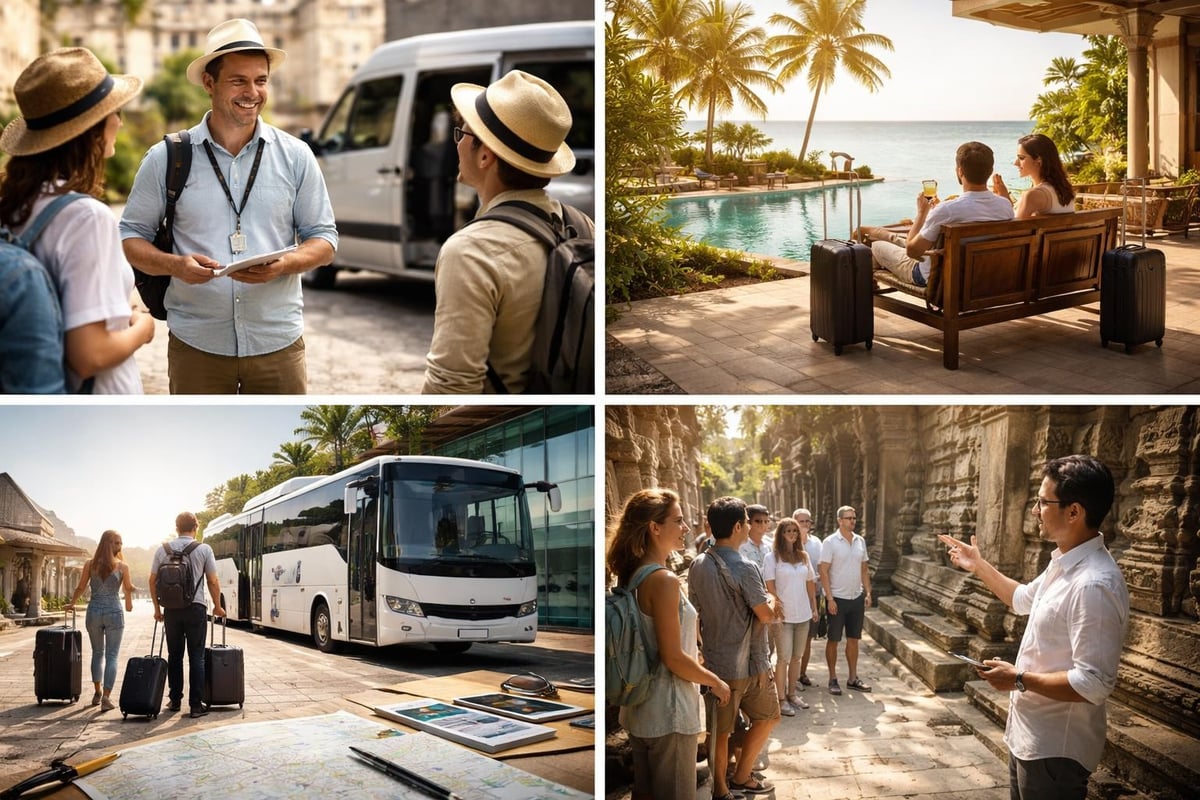
Consider the value proposition beyond simple cost comparison. Independent travelers spend countless hours researching restaurants, booking accommodations, purchasing individual attraction tickets, and navigating unfamiliar transit systems. All-inclusive packages reclaim this time, converting planning hours into experiential moments.
Customization and Personalization Options
Modern trip to Japan all inclusive packages have evolved far beyond rigid group tours. Today's discerning travelers expect bespoke experiences tailored to their specific interests, pace preferences, and travel style.
Designing Your Perfect Itinerary
| Interest Category | Experience Examples | Typical Duration |
|---|---|---|
| Cultural Heritage | Temple stays, tea ceremonies, traditional crafts | 7-10 days |
| Culinary Journey | Cooking classes, market tours, kaiseki dining | 8-12 days |
| Nature & Wellness | Onsen retreats, forest bathing, mountain hiking | 10-14 days |
| Modern Japan | Architecture tours, technology showcases, contemporary art | 6-9 days |
Premium providers work with you to understand your travel motivations before crafting an itinerary. Whether you dream of photographing Mount Fuji at sunrise, learning sushi-making from Tokyo masters, or meditating with monks in Kyoto temples, personalization ensures every day aligns with your vision.
Seasonal Considerations
Timing dramatically impacts your Japan experience. Cherry blossom season (late March through April) creates magical landscapes but attracts massive crowds. Autumn foliage (October through November) offers equally stunning visuals with more manageable tourism levels.
A well-designed trip to Japan all inclusive factors seasonal highlights into your itinerary. Spring packages might emphasize hanami (flower viewing) parties in Tokyo's Ueno Park, while winter itineraries could feature skiing in Hokkaido followed by relaxing in outdoor hot springs as snow falls around you.
Regional Highlights Worth Exploring
Japan's diversity extends far beyond Tokyo and Kyoto. Comprehensive all-inclusive packages expose you to lesser-known regions that reveal different facets of Japanese culture and natural beauty.
Tokyo and Surrounding Areas
The capital city serves as many travelers' entry point, offering a fascinating blend of ultramodern technology and preserved traditions. Your all-inclusive experience might include private early-morning visits to Tsukiji Outer Market, exclusive access to sumo training sessions, or after-hours tours of teamLab Borderless digital art museum.
Day trips from Tokyo enhance your understanding of the region. Nikko's ornate shrines, Hakone's volcanic landscapes and art museums, or Kamakura's Great Buddha statue all sit within easy reach when private transportation removes logistical barriers.
Kyoto's Cultural Treasures
National Geographic’s Japan Travel Guide frequently highlights Kyoto as Japan's cultural heart, home to over 2,000 temples and shrines. An all-inclusive approach grants access to experiences impossible for independent travelers to arrange.
Exclusive Kyoto experiences include:
- Private tea ceremonies in historic machiya townhouses
- Early-morning temple visits before crowds arrive
- Geisha district walking tours with cultural historians
- Traditional kaiseki meals in Michelin-starred establishments
- Guided meditation sessions at Zen temples
Beyond the Golden Route
The true value of a trip to Japan all inclusive emerges when venturing beyond Tokyo-Kyoto-Osaka circuits. Takayama's preserved Edo-period streets, Kanazawa's geisha districts and contemporary art museums, or Hiroshima's powerful peace memorial all deserve inclusion in thoughtful itineraries.
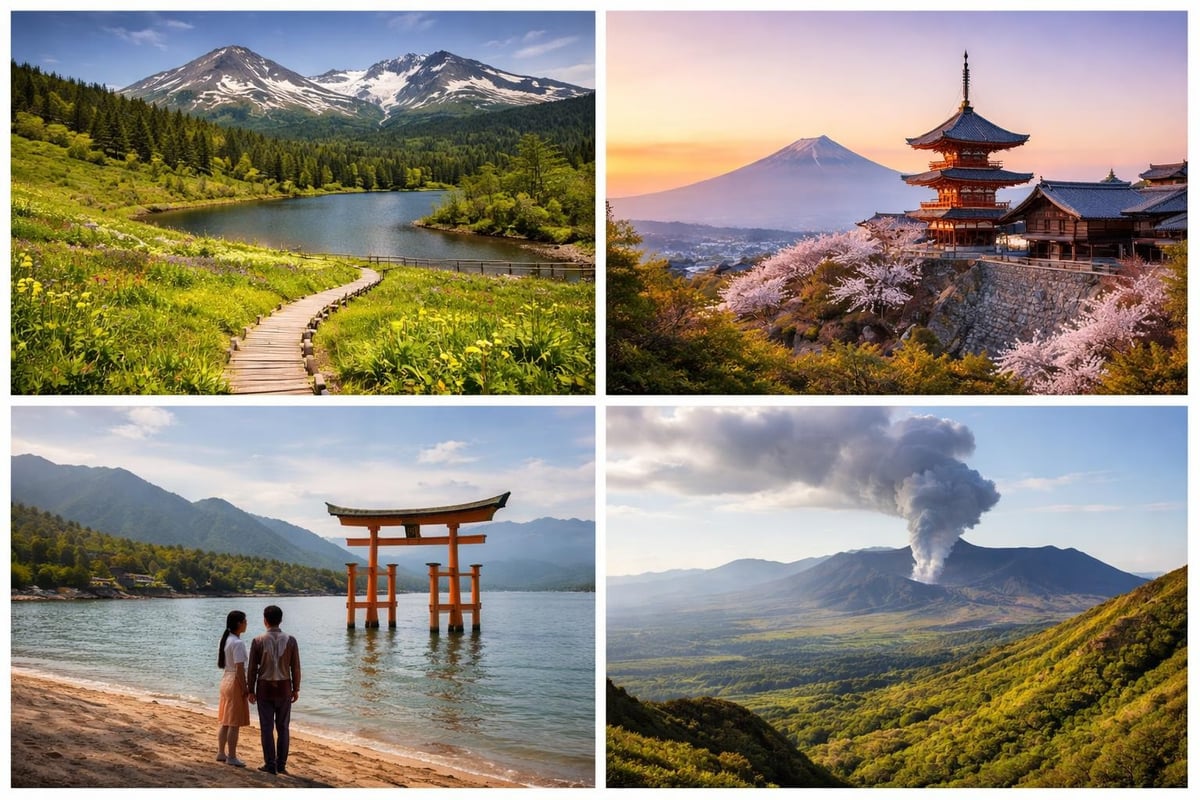
Southern destinations like Kyushu offer volcanic hot springs, while northern Hokkaido provides pristine wilderness and exceptional seafood. Lonely Planet’s Japan guide offers detailed insights into regional characteristics that help inform itinerary decisions.
Accommodation Excellence in All-Inclusive Packages
Where you stay profoundly influences your Japan experience. Premium trip to Japan all inclusive packages curate accommodations that complement each destination's character while maintaining luxury standards throughout.
Traditional Ryokan Experiences
No Japan journey feels complete without experiencing ryokans, traditional inns that have hosted travelers for centuries. These establishments provide immersion into Japanese hospitality culture, featuring tatami mat rooms, futon bedding, kaiseki multi-course dinners, and indoor or outdoor hot spring baths.
Your all-inclusive package might include renowned ryokans like those in Hakone's mountains or Kinosaki's hot spring town. Staff dressed in kimono greet you with impeccable service, while seasonal menus showcase regional ingredients prepared with artistic precision.
Urban Luxury Hotels
Major cities call for different accommodation styles. Tokyo, Osaka, and other metropolitan areas feature world-class hotels combining Japanese attention to detail with international luxury standards. High-floor rooms offer stunning city views, while concierge services ensure seamless experiences throughout your stay.
| Accommodation Type | Best Suited For | Unique Features |
|---|---|---|
| Traditional Ryokan | Cultural immersion, relaxation | Kaiseki dining, hot springs, kimono service |
| Luxury City Hotel | Urban exploration, convenience | Skyline views, multiple dining options, fitness facilities |
| Temple Lodging | Spiritual experiences | Morning prayers, vegetarian cuisine, meditation |
| Boutique Machiya | Authentic neighborhoods | Historic architecture, local atmosphere, privacy |
Culinary Journeys as Central Experiences
Food forms the cornerstone of Japanese culture, making culinary experiences essential components of any trip to Japan all inclusive. Beyond simply eating at restaurants, comprehensive packages weave food into your cultural education.
From Street Food to Michelin Stars
Japan boasts more Michelin-starred restaurants than any country except France, yet equally treasures humble street food traditions. Your itinerary might progress from morning ramen in Tokyo's tiny specialist shops to evening kaiseki at Kyoto's three-star establishments.
Guided food tours reveal neighborhood gems impossible to discover independently. In Osaka, known as "Japan's kitchen," your guide navigates Dotonbori's neon-lit streets, explaining takoyaki octopus balls, okonomiyaki savory pancakes, and kushikatsu fried skewers while introducing you to passionate vendors.
Hands-On Culinary Education
Popular cooking experiences include:
- Sushi-making classes with Tokyo chefs who explain fish selection and rice preparation
- Ramen workshops where you create noodles from scratch and craft custom broths
- Traditional sweets (wagashi) lessons teaching artistic confectionery techniques
- Home-style cooking sessions in local residences, creating authentic family recipes
- Sake brewery visits with tasting sessions and fermentation explanations
These interactive elements transform dining from consumption to education, creating memories and skills you carry home.
Cultural Immersion and Authentic Experiences
The distinguishing feature of exceptional trip to Japan all inclusive packages lies in depth of cultural access. Rather than observing from outside, you participate in traditions that define Japanese life.
Traditional Arts and Crafts
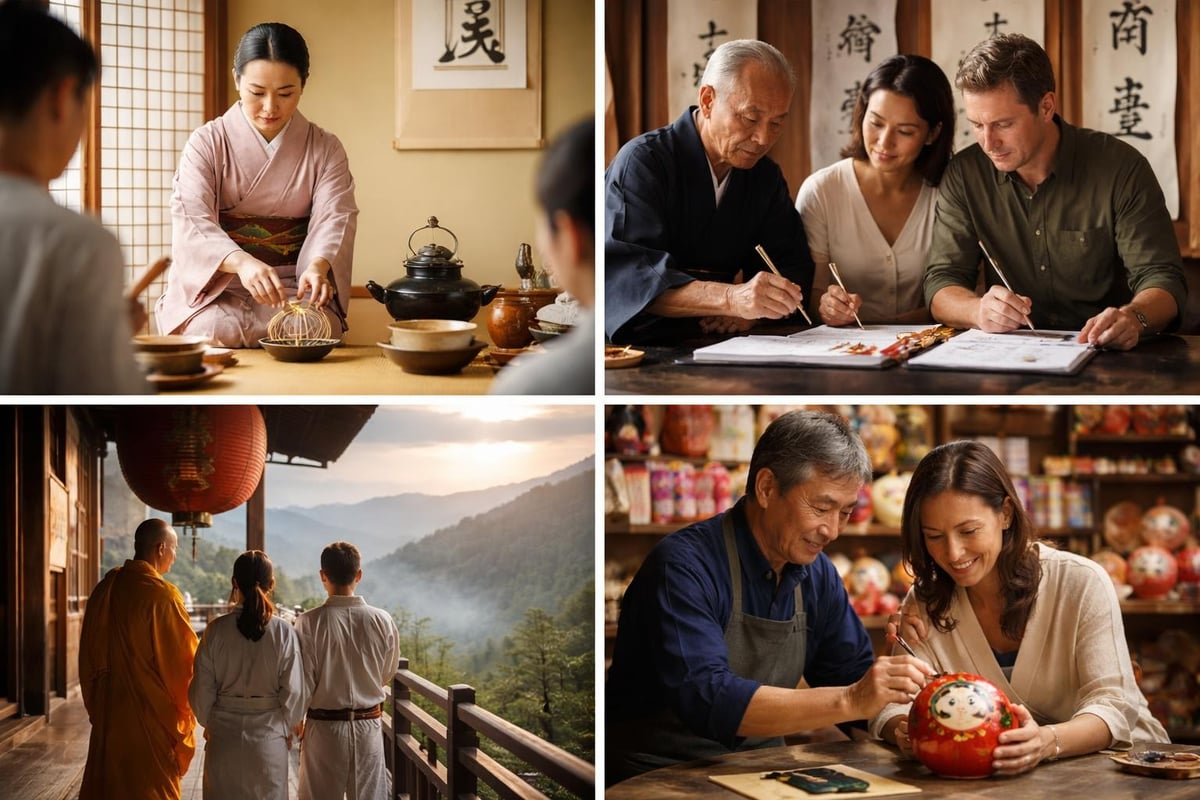
Japan preserves countless traditional crafts through living masters who maintain centuries-old techniques. Your journey might include private workshops with artisans creating ceramics, textiles, lacquerware, or metalwork. These encounters reveal the philosophy, patience, and precision underlying Japanese craftsmanship.
Tea ceremony participation extends beyond drinking matcha. Your host explains the spiritual principles, architectural elements of tea houses, and seasonal considerations reflected in utensil selection. This mindfulness practice offers insights into broader Japanese aesthetics and values.
Spiritual and Contemplative Practices
Buddhism and Shintoism shape Japanese worldviews, making spiritual sites natural itinerary inclusions. Rather than rushing through famous temples checking off landmarks, all-inclusive experiences allow time for contemplation, participation in morning prayers, or extended meditation sessions.
Temple lodging (shukubo) overnight stays on Mount Koya or in other sacred locations provide profound insights. You follow monastic schedules, eat vegetarian Buddhist cuisine, and participate in morning services, experiencing spiritual traditions that have continued unbroken for over a millennium.
Transportation and Logistics Management
Japan's legendary efficiency makes transportation reliable but potentially confusing for foreign visitors. A trip to Japan all inclusive removes navigation stress while ensuring you experience the country's famous rail systems.
The Japan Rail Experience
The Shinkansen bullet train represents Japanese engineering excellence, connecting major cities at speeds exceeding 200 mph while maintaining perfect punctuality records. Your package includes reserved seats in premium cars, luggage forwarding services between hotels, and guides who handle all ticketing.
Beyond bullet trains, local transportation varies by region. Kyoto exploration might involve private taxis, while rural areas require chartered vehicles. All-inclusive packages coordinate these transitions seamlessly, ensuring you never struggle with directions, tickets, or schedules.
Airport Transfers and Inter-City Travel
Your journey begins and ends with private airport transfers, eliminating the common stress of navigating public transportation with luggage immediately after long international flights. Professional drivers meet you at arrival halls with welcome signs, assisting with bags and providing initial orientation during the drive to your hotel.
Investment Considerations and Value Assessment
Understanding the financial aspects of a trip to Japan all inclusive helps you make informed decisions aligned with your travel priorities and budget expectations.
Cost Comparison Analysis
| Travel Style | Typical Daily Cost | Planning Time Required | Flexibility Level |
|---|---|---|---|
| Budget Independent | $150-250 per person | 40-60 hours | High |
| Mid-Range Independent | $300-450 per person | 30-40 hours | Medium |
| All-Inclusive Private | $800-1500 per person | 2-5 hours | Customizable |
While all-inclusive packages command premium pricing, comprehensive cost analysis reveals genuine value. Independent travelers face hidden expenses: individual train tickets, separate attraction admissions, research time monetary value, translation services, and missed opportunities due to limited local knowledge.
What Influences Package Pricing
Several factors determine your trip to Japan all inclusive investment. Travel season dramatically affects costs, with cherry blossom and autumn foliage periods commanding premium rates. Group size matters significantly as private experiences become more affordable when shared among four to six travelers versus couples.
Accommodation choices impact budgets substantially. Mixing boutique hotels with select luxury properties and traditional ryokans creates balanced experiences without excessive costs. Similarly, combining private guided days with independent exploration time reduces overall expense while maintaining quality.
Selecting the Right Travel Partner
Your Japan experience depends heavily on choosing a specialist provider who understands both the destination and your personal travel style.
Questions to Ask Potential Providers
Before committing to a trip to Japan all inclusive, thorough vetting ensures you partner with qualified professionals. Inquire about their Japan expertise, guide qualifications, emergency support systems, and customization flexibility.
Essential evaluation criteria:
- Years specializing specifically in Japan travel
- Direct relationships with local guides, hotels, and experience providers
- Sample itineraries demonstrating creativity and cultural depth
- Client testimonials highlighting responsiveness and problem-solving
- Clear pricing structures explaining all inclusions and potential supplements
The TOURJAPAN Advantage
Working with dedicated Japan specialists ensures your itinerary reflects deep destination knowledge rather than generic tour templates. Providers maintaining year-round presence in Japan access experiences unavailable to international tour operators, from exclusive restaurant reservations to private cultural encounters.
The comprehensive travel information available from specialists helps you understand possibilities before finalizing your journey.
Practical Planning Timeline
Successful trip to Japan all inclusive experiences require adequate planning time, especially for travel during peak seasons when accommodation and experience availability becomes limited.
Ideal Booking Timeline
Begin conversations with travel specialists 6-12 months before your intended departure. This timeline ensures optimal accommodation selection, particularly for renowned ryokans that book far in advance. Cherry blossom season requires even earlier planning, with serious travelers securing arrangements 12-18 months ahead.
Three to six months before departure, finalize your detailed itinerary, confirm all bookings, and begin practical preparations like visa applications if required. Most U.S. citizens enjoy visa-free entry for tourism stays under 90 days, simplifying documentation.
Pre-Departure Preparation
Your travel specialist should provide comprehensive pre-departure materials including detailed day-by-day itineraries, cultural etiquette guides, packing recommendations for seasonal weather, and emergency contact information. This preparation ensures you arrive confident and ready to immerse yourself immediately.
Physical preparation matters, particularly if your itinerary includes significant walking through temple complexes or mountain hiking. Japan's cities involve considerable stair climbing in subway stations, while cultural sites often require shoe removal and sitting on floors during traditional experiences.
Sustainable and Responsible Travel
Modern travelers increasingly prioritize sustainability and cultural respect. A thoughtfully designed trip to Japan all inclusive can support local communities while minimizing environmental impact.
Supporting Local Communities
Premium packages direct spending toward locally-owned ryokans, family restaurants, artisan workshops, and regional guides rather than international hotel chains. This approach ensures your tourism investment benefits the communities you visit while providing more authentic experiences.
The Responsible Travel Guide offered by tourism authorities provides valuable insights into cultural etiquette and sustainable practices that enhance your journey while respecting local customs.
Cultural Sensitivity and Etiquette
Understanding Japanese social customs demonstrates respect while preventing awkward situations. Your guides should explain proper behavior at temples and shrines, dining etiquette, onsen bathing protocols, and general social interactions.
Key etiquette considerations include:
- Removing shoes when entering homes, traditional restaurants, and temples
- Using chopsticks properly without pointing or sticking them upright in rice
- Speaking quietly on trains and in public spaces
- Bowing appropriately when greeting people or expressing thanks
- Respecting photography restrictions at sacred sites and private establishments
Making Your Dream Journey Reality
Transforming your Japan travel aspirations into reality begins with clarifying your personal priorities. Consider which experiences matter most: cultural depth, culinary excellence, natural beauty, spiritual exploration, or modern innovation. Your honest assessment guides itinerary development toward maximum personal satisfaction.
A trip to Japan all inclusive removes barriers between you and authentic experiences, allowing full immersion without logistical distractions. The investment extends beyond vacation into life-enriching education, exposing you to philosophies, aesthetics, and traditions that reshape perspectives long after returning home.
Planning a seamless journey through Japan requires expertise, local connections, and dedication to crafting experiences that resonate with your unique interests. TOURJAPAN specializes in creating bespoke private tours that transform your Japan dreams into carefully orchestrated reality, handling every detail while you focus entirely on discovery and wonder. Whether you envision temple meditation in Kyoto, culinary adventures in Tokyo, or hot spring relaxation in mountain villages, their Japan travel specialists design personalized itineraries reflecting your vision of the perfect Japanese journey.


