

When you visit Japan winter, you unlock a completely different side of the country that many travelers overlook. The winter season transforms Japan into a wonderland where ancient traditions meet stunning natural beauty, from snow-capped mountains and illuminated historic villages to steaming hot springs and vibrant cultural festivals. This comprehensive guide explores everything you need to know about experiencing Japan during the colder months, helping you plan an unforgettable journey through one of the world's most captivating winter destinations.
Why Winter Is the Best Time to Experience Japan
The winter season in Japan runs from December through February, offering unique advantages that make it an exceptional time to visit. Lower tourist numbers mean you'll experience popular attractions without the overwhelming crowds that characterize spring cherry blossom season and autumn foliage periods.
Winter pricing presents significant value opportunities. Accommodations and domestic flights typically cost 30-40% less than peak season rates, allowing you to allocate more budget toward exceptional experiences. The crisp, clear winter air also creates perfect conditions for viewing Mount Fuji, with visibility rates reaching their annual peak during these months.
Weather Patterns Across Different Regions
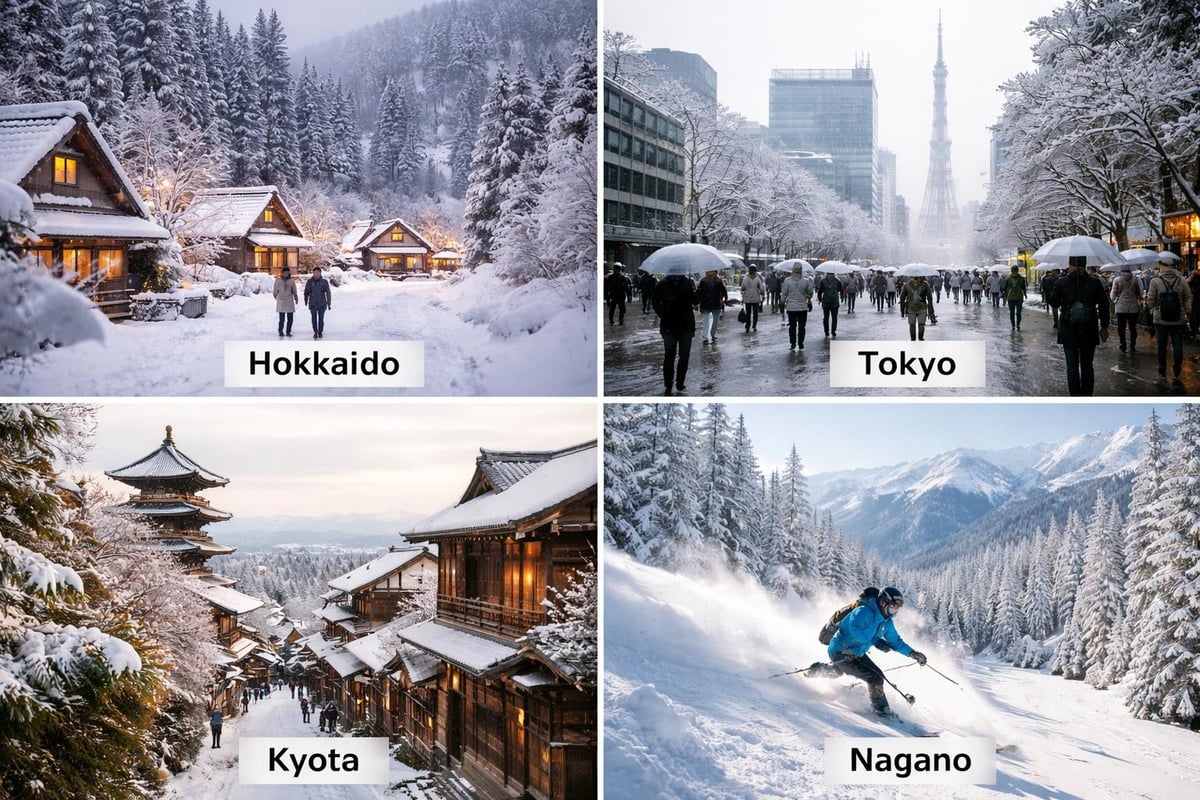
Japan's geography creates dramatic weather variations during winter. Tokyo and southern regions maintain mild temperatures averaging 45-50°F (7-10°C), while northern areas like Hokkaido experience genuine winter conditions with temperatures frequently below freezing and substantial snowfall.
| Region | Average Temperature | Snowfall | Best For |
|---|---|---|---|
| Hokkaido | 20-30°F (-6 to -1°C) | Heavy | Skiing, snow festivals |
| Tokyo/Kanto | 40-50°F (4-10°C) | Minimal | City exploration, culture |
| Kyoto/Kansai | 35-45°F (2-7°C) | Light | Temples, hot springs |
| Nagano | 25-35°F (-4 to 2°C) | Moderate-Heavy | Snow sports, onsen |
Iconic Winter Festivals Worth Planning Around
Japan's winter calendar bursts with spectacular festivals that showcase the country's cultural richness. The Sapporo Snow Festival stands as one of the world's premier winter events, attracting over two million visitors annually to witness massive snow and ice sculptures that transform the city into an open-air art gallery each February.
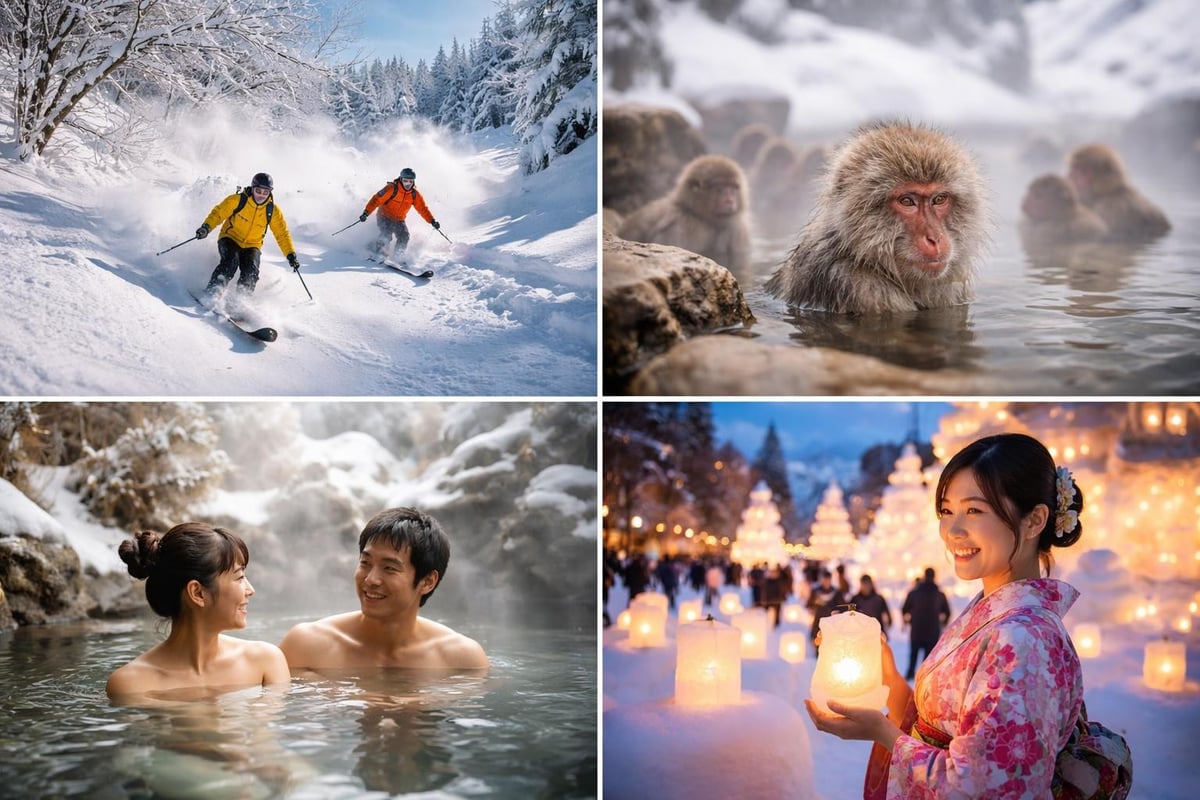
The Hirosaki Castle Snow Lantern Festival creates an ethereal atmosphere where hundreds of illuminated snow lanterns glow against the backdrop of the historic castle. This Aomori Prefecture celebration combines traditional architecture with winter artistry in ways few other destinations can match.
Traditional Cultural Celebrations
Beyond the famous snow festivals, winter hosts several traditional celebrations deeply rooted in Japanese culture. Setsubun marks the transition between winter and spring, typically occurring in early February. This festival features bean-throwing ceremonies at temples and shrines nationwide, where participants shout "Oni wa soto, fuku wa uchi" (Demons out, fortune in) while tossing roasted soybeans.
The Hadaka Matsuri, or Naked Festivals, take place at various locations during winter months. The most famous occurs at Saidaiji Temple in Okayama, where thousands of men wearing minimal clothing compete for sacred wooden sticks in a purification ritual that dates back centuries.
- Sagichō Fire Festival: Traditional New Year decoration burning ceremony
- Yokote Kamakura Festival: Snow house celebrations with regional food
- Otaru Snow Light Path: Canal illuminations with glass floats
- Yunishigawa Onsen Kamakura Festival: Hot spring village snow dome event
The Sagichō Fire Festival provides another unique winter experience, where communities gather to burn New Year decorations in massive bonfires, symbolizing purification and prayers for prosperity in the coming year.
Where to Find Japan's Best Winter Landscapes
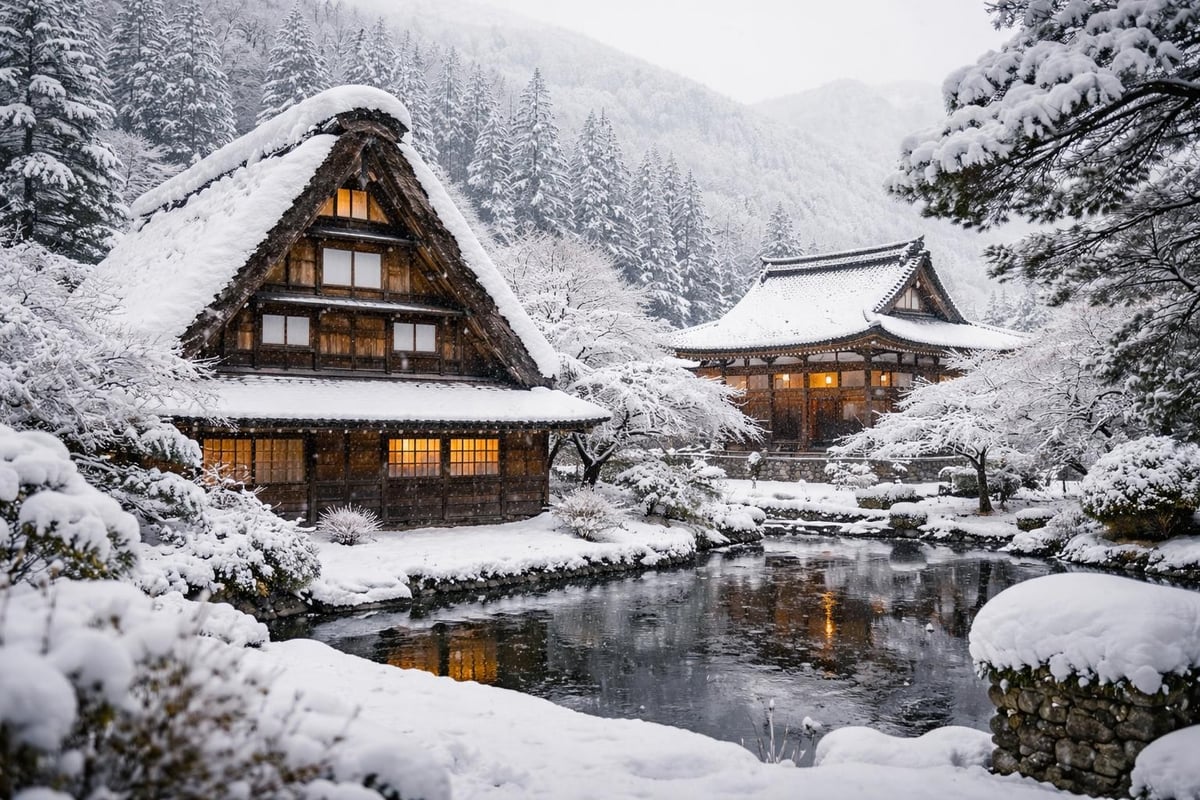
When you visit Japan winter months, certain destinations showcase the season's beauty with exceptional clarity. Shirakawa-go, a UNESCO World Heritage site, becomes almost impossibly picturesque under snow cover. The traditional gassho-zukuri farmhouses with their steep thatched roofs appear straight from a fairytale when blanketed in white and illuminated during special evening light-up events.
The Japanese Alps region transforms into a premier winter sports destination while maintaining traditional village charm. Hakuba Valley offers world-class skiing that hosted events during the 1998 Winter Olympics, while nearby hot spring towns provide authentic cultural experiences between runs.
Sacred Sites in Winter Solitude
Kyoto's temples and gardens take on serene beauty during winter. Kinkaku-ji (Golden Pavilion) presents one of Japan's most photographed scenes when snow dusts its golden exterior and surrounding pine trees. The reduced tourist numbers allow for contemplative visits that capture the essence of these sacred spaces.
Nara Park experiences a quieter season where feeding the resident deer becomes a more intimate experience. The contrast of these ancient animals against snow-covered grounds, with historic temples in the background, creates memorable photographic opportunities.
The Art of Hot Spring Bathing in Winter
No winter visit to Japan reaches completion without experiencing onsen culture. These natural hot springs provide the perfect antidote to cold weather, and the contrast between steaming mineral-rich water and frigid air creates an unforgettable sensory experience.
Top winter onsen destinations include:
- Kusatsu Onsen (Gunma Prefecture): One of Japan's highest-quality hot springs with extreme mineral content
- Nyuto Onsen (Akita Prefecture): Remote mountain collection of rustic bath houses
- Zao Onsen (Yamagata Prefecture): Combines skiing with exceptional bathing facilities
- Kinosaki Onsen (Hyogo Prefecture): Historic hot spring town with seven public bathhouses
- Noboribetsu Onsen (Hokkaido): Volcanic hot springs with diverse water types
Ryokan Experiences and Winter Comfort
Traditional ryokan inns elevate the onsen experience by combining exceptional bathing facilities with seasonal kaiseki cuisine and traditional hospitality. Winter menus feature warming dishes like nabe (hot pot), seasonal seafood, and local specialties that vary by region.
The ritual of bathing before dinner, enjoying multi-course meals in your room, sleeping on futon bedding, and taking another bath before breakfast creates a rhythm that embodies Japanese winter hospitality. Private outdoor baths (rotenburo) allow you to soak while watching snowflakes fall, surrounded by pristine nature.
| Onsen Town | Special Feature | Accessibility from Tokyo | Best For |
|---|---|---|---|
| Kusatsu | Highest water quality | 3-4 hours | Therapeutic bathing |
| Hakone | Mount Fuji views | 2 hours | Day trips, art museums |
| Nikko | UNESCO temples nearby | 2 hours | Culture combination |
| Yudanaka | Snow monkey park | 3 hours | Wildlife experiences |
Winter Sports and Snow Activities
Japan ranks among the world's premier winter sports destinations, receiving some of the planet's highest-quality powder snow. Hokkaido's resorts particularly attract international visitors seeking exceptional skiing and snowboarding conditions.
Resort Options for Different Experience Levels
Niseko has become internationally famous for its reliable powder snow and English-friendly environment, making it ideal for first-time visitors to Japan. The resort's interconnected mountains offer varied terrain suitable for all skill levels.
Nozawa Onsen provides a different atmosphere, combining excellent skiing with authentic Japanese village character. The resort has operated for over a century, and its traditional onsen facilities complement the modern ski infrastructure perfectly.
Activities beyond skiing include:
- Snowshoeing through pristine forests and mountain trails
- Ice fishing on frozen lakes in Hokkaido
- Snow trekking to remote temples and shrines
- Sledding and snow play areas for families
- Dog sledding experiences in northern regions
Practical Considerations for Winter Travel
Planning when you visit Japan winter requires attention to several practical details that differ from other seasons. Layered clothing becomes essential, as you'll move between heated indoor spaces and cold outdoor environments frequently throughout each day.
Transportation remains reliable during winter, though occasional snow delays affect northern routes. Japan's trains run with remarkable punctuality even in challenging weather, but allowing buffer time between connections provides peace of mind.
Packing Essentials and Travel Tips
Japanese buildings often prioritize aesthetics over insulation, meaning indoor temperatures can feel surprisingly cool. Many traditional accommodations use space heaters rather than central heating, so warm sleepwear becomes important for comfortable nights.
- Footwear: Waterproof boots with good traction for snowy sidewalks
- Hand warmers: Disposable kairo packets available at all convenience stores
- Moisturizer: Dry winter air affects skin, especially in heated spaces
- Compact umbrella: Occasional snow showers in most regions
- Thermal base layers: Essential for outdoor activities and temple visits
Seasonal Cuisine and Winter Flavors
Japanese winter cuisine celebrates seasonal ingredients and warming preparation methods. Nabe (hot pot) dishes become centerpiece meals, with regional variations featuring local seafood, vegetables, and proteins simmered in flavorful broths at your table.
Street food takes on seasonal character with offerings like yakiimo (roasted sweet potato), oden (assorted ingredients in dashi broth), and steaming bowls of ramen that taste especially satisfying in cold weather. Winter is also peak season for premium ingredients like fugu (blowfish), crab from Hokkaido, and oysters from coastal regions.
Regional Specialties Worth Seeking
Hokkaido's winter seafood reaches exceptional quality, with uni (sea urchin), ikura (salmon roe), and king crab appearing at their finest. The island's dairy products also shine during this season, with rich cream and butter enhancing both sweet and savory dishes.
Kyoto's kaiseki restaurants incorporate winter ingredients like yuba (tofu skin), yuzu citrus, and seasonal root vegetables into multi-course presentations that demonstrate Japanese culinary artistry. These meals tell the story of the season through carefully selected ingredients and precise preparation techniques.
Cultural Insights for Winter Visitors
Understanding Japanese winter customs enhances your experience significantly. The concept of "omotenashi" (wholehearted hospitality) becomes especially apparent during winter when inn owners and restaurant staff work to create warmth and comfort for guests escaping the cold.
New Year remains Japan's most significant holiday period, with most businesses closing December 29 through January 3. While this creates challenges for dining and shopping, it also offers unique opportunities to witness traditional celebrations and temple visits for hatsumode (first shrine visit of the year).
Winter etiquette considerations:
- Remove shoes before entering homes, ryokan, and some restaurants
- Onsen bathing requires washing thoroughly before entering pools
- Slurping noodles is acceptable and even expected
- Tipping is not practiced and can cause confusion
- Photography restrictions apply at some winter festivals and temples
Ideal Itinerary Frameworks for Winter Journeys
A well-planned winter journey balances different experiences across regions. A classic two-week itinerary might combine Tokyo's urban sophistication, Kyoto's cultural depth, and Hokkaido's winter wonderland elements.
Sample 10-day winter framework:
- Days 1-3: Tokyo exploration, day trip to Nikko or Hakone
- Days 4-6: Kyoto temples, Nara day trip, kaiseki experiences
- Days 7-8: Kanazawa or Takayama for traditional atmosphere
- Days 9-10: Hokkaido for snow festivals or skiing
Alternatively, focusing on a single region allows deeper immersion. Spending a full week in Hokkaido enables visits to Sapporo, Otaru, Niseko, and remote onsen towns while maintaining a relaxed pace that suits winter travel.
Capturing Japan's Winter Beauty
Photography enthusiasts find winter conditions ideal for capturing Japan's aesthetic essence. The low-angle winter sunlight creates dramatic shadows and highlights architectural details. Snow simplifies compositions, allowing structures and landscapes to stand as bold statements against white backgrounds.
Early morning hours offer the best light for photographing snow-covered landscapes and frost-decorated temples. Many professional photographers consider the blue hour just before sunrise optimal for capturing illuminated scenes at winter festivals and historic sites.
Photography tips for winter conditions:
- Extra batteries, as cold weather drains power quickly
- Lens cloths for managing condensation when moving between temperatures
- Tripod for low-light festival and landscape shots
- Weather-sealed equipment preferred for snow conditions
- Memory cards with ample capacity for extended shooting sessions
When you visit Japan winter, the country reveals layers of beauty and tradition that remain hidden during warmer months. The combination of natural splendor, cultural celebrations, and seasonal cuisine creates experiences that resonate long after you return home. Whether you're seeking powder snow adventures, peaceful temple contemplation, or immersion in traditional hot spring culture, Japan's winter season delivers extraordinary moments at every turn.
Japan's winter season offers a remarkable blend of natural beauty, cultural depth, and seasonal traditions that create truly unforgettable travel experiences. Planning a winter journey requires attention to regional variations, festival timing, and practical considerations that differ significantly from other seasons. TOURJAPAN specializes in crafting personalized winter itineraries that balance your interests with the season's best offerings, from securing reservations at exceptional ryokan to arranging private guides for winter festivals and cultural experiences. Let their expertise transform your winter travel dreams into a carefully curated journey through Japan's most magical season.


